Hondius Andes Hantavirus Update: Case Counts Stable, Contact Tracing Expands
Praia, Cape Verde – As of September 16, 2026, health authorities report a stabilization in confirmed hantavirus cases aboard the MV Hondius Andes. Focus intensifies on expanded contact tracing efforts.
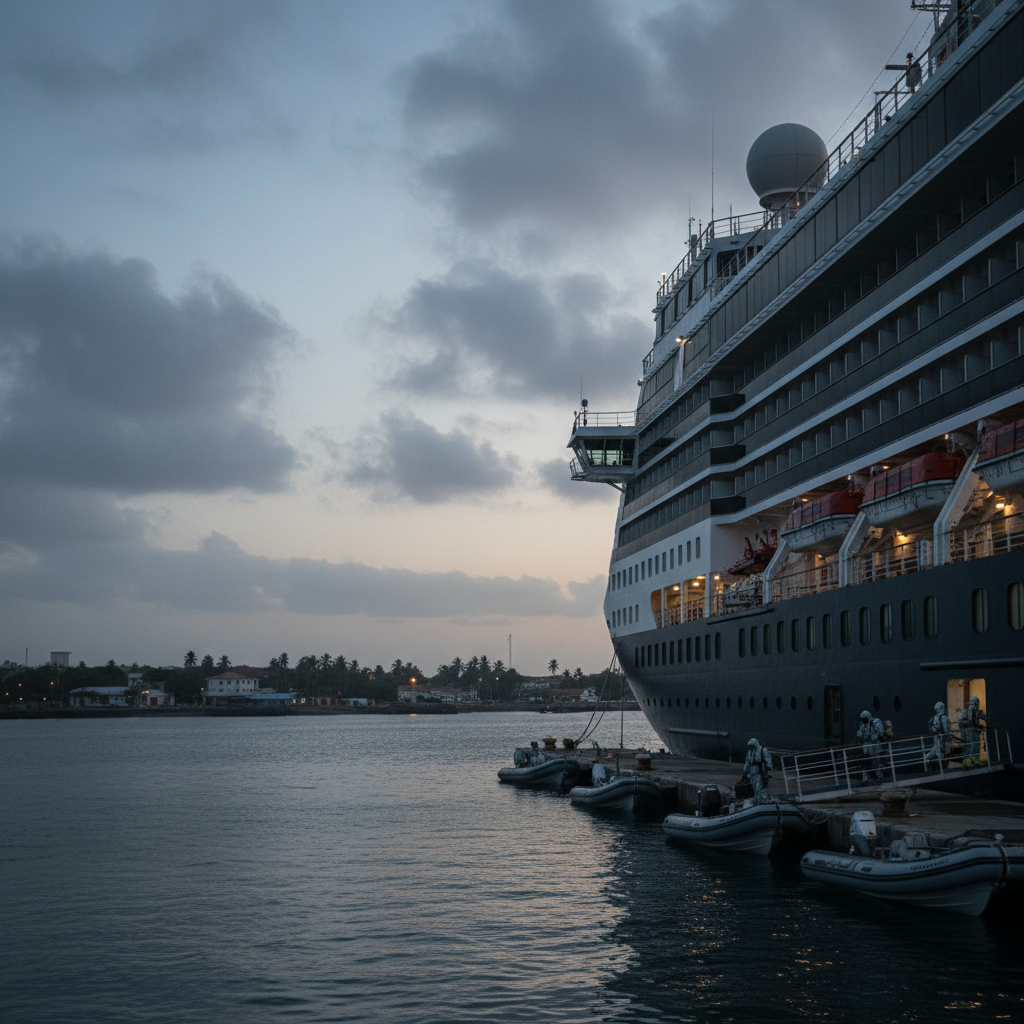
Hondius Andes Outbreak: Current Status
Praia, Cape Verde – September 16, 2026 – The public health response to the hantavirus outbreak on the MV Hondius Andes, currently anchored off Praia, Cape Verde, continues, with officials reporting a stable trend in confirmed case numbers over the past 24 hours. The focus of on-site medical and public health teams has bigly shifted towards broadening the scope of contact tracing and continued stringent isolation protocols.
Case Numbers and Stabilization
As of September 16, 2026, publicly reported figures indicate no new confirmed hantavirus cases have emerged among passengers and crew within the last 24-hour reporting period. This marks a notable development following earlier periods of fluctuating daily reports. The total number of confirmed cases, as per Africa CDC and Cape Verde Ministry of Health joint statements, remains at the level reported yesterday, September 15, 2026. Specific figures are being withheld from public release to prevent speculation and protect patient privacy, as stated by officials during a press briefing yesterday. Similarly, the number of fatalities attributed to the outbreak has remained unchanged since the last update. Authorities from the World Health Organization (WHO) and Africa CDC continue to emphasize that early detection and supportive care are critical for managing severe hantavirus pulmonary syndrome (HPS) cases. The medical facilities established onboard and at designated onshore sites in Praia continue to operate at capacity, providing care for those confirmed ill and monitoring individuals under observation.
Expanded Contact Tracing Efforts
Following the stabilization in new case detections, public health teams have bigly ramped up efforts in contact tracing. This expanded initiative, led by specialists from the US Centers for Disease Control and Prevention (US CDC) and the European Centre for Disease Prevention and Control (ECDC) collaborating with local Cape Verdean health officials, is aimed at identifying any individuals who may have had close contact with confirmed cases, both on and off the vessel, during the incubation period. "The current phase of our response is deeply focused on strong contact tracing," stated a representative from the Africa CDC during a remote press conference earlier today. "While new confirmed cases have slowed, it's imperative to cast a wide net to ensure we identify any potential exposures and interrupt further transmission chains. One detail: this involves careful interviewing, reviewing passenger and crew manifests, and analyzing movement data onboard the vessel before its isolation."
The expanded tracing now includes revisiting initial contact circles and extending investigations to secondary and tertiary contacts. Special attention is being given to crew members, particularly those involved in maintenance, housekeeping, or food service, who often have extensive interaction networks across different zones of the ship. Passengers who disembarked before the official quarantine measures are also being retroactively contacted, where possible, through international health regulations frameworks.
Maritime Operations and Crew Welfare
The International Maritime Organization (IMO) continues to monitor the vessel's status, emphasizing adherence to international health and safety protocols. The Hondius Andes remains under strict quarantine, with no unauthorized personnel allowed on or off the ship. Essential supplies, including medical equipment, food, and protective gear, are being delivered under controlled conditions. Crew welfare, particularly mental health support, is as well a growing concern, with remote psychological services reportedly being offered.
Ongoing Surveillance and Environmental Assessment
Surveillance efforts onboard the Hondius Andes remain constant. Daily health checks for all remaining passengers and crew are mandatory, with any symptoms prompting immediate isolation and testing. Environmental health teams, including experts from the US CDC, are continuing their assessment of potential rodent presence on the vessel, although the specific vector for the outbreak has not been definitively identified or publicly confirmed. Rodent control measures were implemented early in the outbreak response and are being maintained. The international collaboration between various health bodies—including WHO, Africa CDC, US CDC, ECDC, and the Cape Verde Ministry of Health—is crucial in managing this complex public health emergency. Updates are expected to be provided as bigly developments occur, though daily briefings may become less frequent if the current stable trend continues.



