Hondius Andes Hantavirus Update: Case Counts Stable, Tracing Efforts Intensify
Twenty-four hours after new protocols, officials confirm no significant increase in reported hantavirus cases aboard the MV Hondius Andes. Contact tracing continues as the vessel remains anchored off Praia.
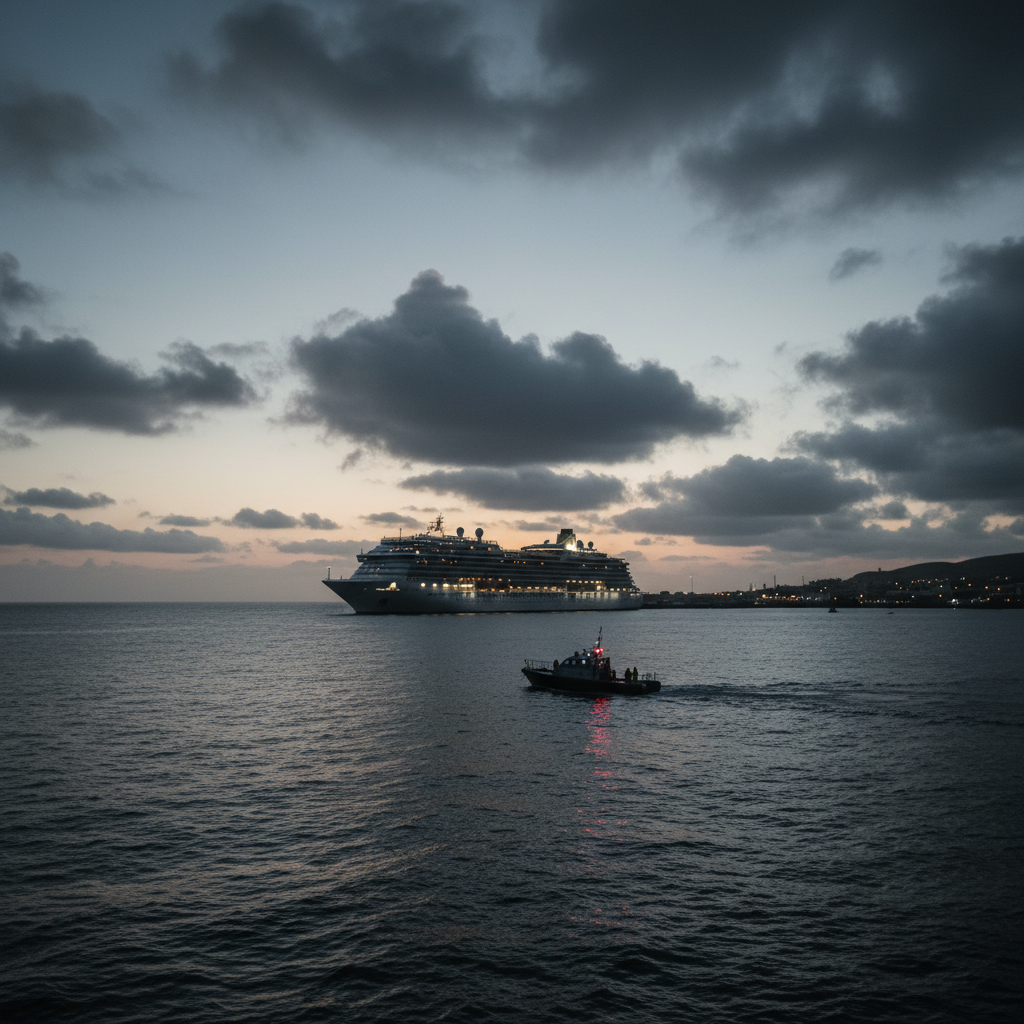
Hondius Andes: Current Outbreak Status
Praia, Cape Verde – August 22, 2026 – Health authorities monitoring the MV Hondius Andes hantavirus outbreak have reported a period of stability in confirmed case numbers over the past 24 hours, following the implementation of enhanced monitoring and isolation protocols. The cruise ship remains anchored off the coast of Praia, Cape Verde, since May 2026, as international and local health agencies continue their coordinated response. Publicly available data, as of August 22, 2026, per the World Health Organization (WHO), indicates that the total number of confirmed hantavirus cases associated with the vessel has not seen a substantial increase since yesterday's reporting. Similarly, figures related to fatalities attributed to the outbreak have remained unchanged in the last 24-hour period, according to reports from Africa CDC.
Intensified Contact Tracing Efforts
The primary focus of response teams on and off the vessel continues to be rigorous contact tracing and epidemiological investigation. Officials from the Cape Verde Ministry of Health, in conjunction with experts from the US Centers for Disease Control and Prevention (US CDC) and the European Centre for Disease Prevention and Control (ECDC), are working to identify and monitor all individuals who may have been exposed to the virus. This includes both passengers and crew members who remain on board, as well as those who disembarked before the official declaration of the outbreak. In the last day, contact tracing teams have accelerated their efforts to review passenger manifests and movement logs from the early stages of the cruise. This retrospective analysis aims to establish potential chains of transmission and identify individuals who may be asymptomatic carriers or have developed mild, unrecognised symptoms. The process is complex due to the global nature of the vessel's passenger list and the extended incubation period of hantavirus pulmonary syndrome (HPS), which can range from one to six weeks after exposure.
Isolation and Monitoring Protocols
All individuals exhibiting symptoms consistent with hantavirus infection continue to be isolated in designated medical facilities on board the Hondius Andes or, in more severe cases, transferred to mainland medical facilities in Cape Verde, as previously established. Close contacts of confirmed cases are undergoing a mandatory monitoring period, with daily health checks and testing as deemed appropriate by medical staff. New protocols introduced within the last 24-48 hours include more frequent environmental testing within the ship's common areas and individual cabins, particularly those identified in early transmission clusters. The International Maritime Organization (IMO) has been kept apprised of these measures, ensuring compliance with international health regulations and maritime safety standards.
Global Health Community Engagement
International health bodies, including the WHO and Africa CDC, are maintaining a consistent dialogue with Cape Verdean authorities to provide technical support, laboratory capacity, and epidemiological expertise. The collaborative effort underscores the challenges of managing an infectious disease outbreak in a maritime setting, far from immediate advanced medical infrastructure. As the situation progresses, further updates are expected from health authorities on the ongoing investigations and any changes to the public health recommendations for individuals who were aboard the MV Hondius Andes.The stability in case numbers over the past day is a cautious indication that current containment strategies may be having an effect. Officials stress the need for continued vigilance given the virus's incubation period and mode of transmission.



