Hondius Andes Incident Prompts Global Scrutiny of Maritime Health Regulations
The ongoing Hantavirus outbreak aboard the MV Hondius Andes has ignited a comprehensive review of international maritime health protocols, with flag state responsibilities, port state controls, and shipboard quarantine measures under intense examination by global bodies.
International Maritime Organization Eyes Enhanced Protocols
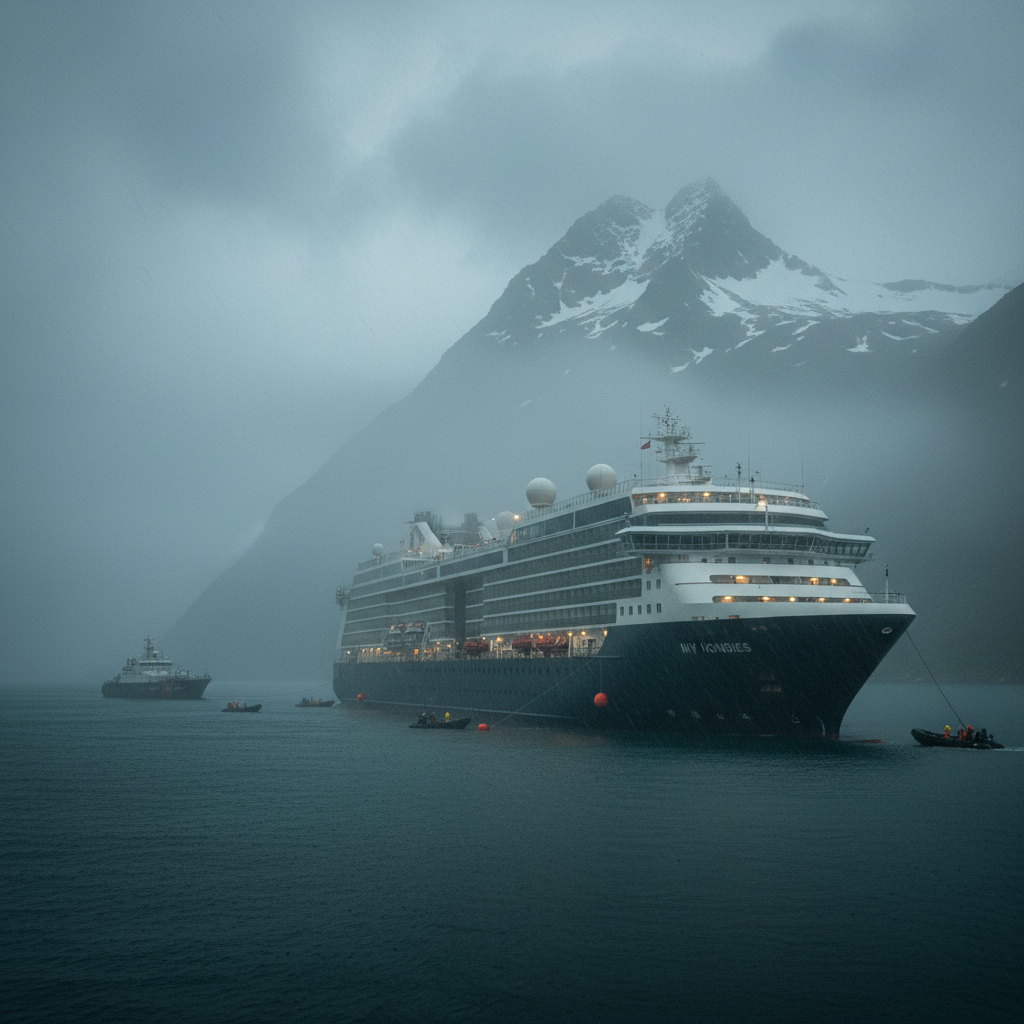
PRAIA, CAPE VERDE — The protracted hantavirus outbreak aboard the MV Hondius Andes, presently anchored off Praia, has catalyzed a critical re-evaluation of international maritime health regulations and their enforcement. The incident, which began in May 2026, has underscored gaps in current frameworks concerning disease prevention, surveillance, and response on international vessels. The International Maritime Organization (IMO), the United Nations' specialized agency responsible for the safety and security of shipping and the prevention of marine pollution by ships, is reportedly engaging with member states and relevant health organizations to assess potential amendments and strengthen existing guidelines. Sources close to the IMO indicate that discussions are focusing on harmonizing health declarations, enhancing crew training for infectious disease management, and clarifying reporting mechanisms during outbreaks.
Flag State Responsibilities Under the Microscope
Central to the debate are the obligations of the vessel's flag state. Under international law, a ship's flag state holds primary responsibility for its compliance with international conventions, including those related to health and safety.In the context of the MV Hondius Andes, questions have arisen on the effectiveness of pre-departure health inspections, ongoing sanitary surveillance. The adequacy of the flag state's oversight once an outbreak has been identified. Maritime legal experts suggest that the current incident highlights challenges in enforcing flag state responsibilities, particularly when vessels operate far from their registration jurisdiction.The complexity of international shipping, with ships often owned by entities in one country, registered in another. Operating globally, complicates accountability and coordinated response efforts during health crises. The IMO's International Health Regulations (IHR) provide a framework, but their specific application to flag state duties during an active outbreak remains a point of contention for some member states.
Port State Control: A Critical Junction
Port state controls (PSC) represent another vital layer of maritime regulation, allowing coastal states to inspect foreign vessels visiting their ports to ensure compliance with international rules. The MV Hondius Andes' extended presence off Praia, without permission to dock, brings PSC into sharp focus. While the vessel has not entered a port for full inspection, the circumstances raise questions around the powers and responsibilities of port states when a ship with a bigly health crisis seeks assistance or entry. Cape Verdean authorities have, as publicly reported, maintained strict controls, preventing disembarkation and limiting interactions to essential medical and logistical support, in line with their sovereign right to protect public health. This decision reflects the critical role of port states in preventing the international spread of disease, as outlined in the IHR.But, the incident also prompts discussion on standardized protocols for port states to handle quarantined vessels, including provisions for emergency supplies, medical personnel transfers. Waste management, especially when a vessel is effectively stranded offshore for an extended period.
Rethinking Quarantine Protocols at Sea
The MV Hondius Andes outbreak has necessitated prolonged at-sea quarantine measures, impacting both passengers and crew. The practicalities and human rights implications of extended shipboard isolation are now under intense review. International guidelines on quarantine, both within the IHR and specific maritime health directives, are being examined for their adequacy in managing modern infectious disease outbreaks on vessels. Key areas of concern include the provision of adequate medical care, mental health support for those isolated, and the logistics of sustained supply chains for essentials. The incident has revealed the limitations of typical shipboard medical facilities and staffing when confronted with an outbreak of this scale and duration. Health organizations, including the World Health Organization (WHO) and regional bodies like Africa CDC, are expected to contribute to revised guidance that addresses the complexities of long-term maritime quarantine, balancing public health protection with the welfare of individuals onboard.
Calls for Enhanced Collaboration and Data Sharing
The ongoing situation underscores the necessity for more strong international collaboration between maritime authorities and public health bodies. Effective prevention and response require seamless information sharing between flag states, port states, the IMO, WHO, and regional health organizations. This includes standardized reporting of outbreaks, coordinated risk assessments, and joint training exercises. The IMO, in conjunction with the WHO, is expected to lead efforts to refine these international frameworks. The MV Hondius Andes incident serves as a potent reminder of the interconnectedness of global health and maritime operations, demanding a proactive and globally coordinated approach to prevent similar crises in the future.



