Hondius Andes Incident Prompts Scrutiny of Maritime Health Regulations
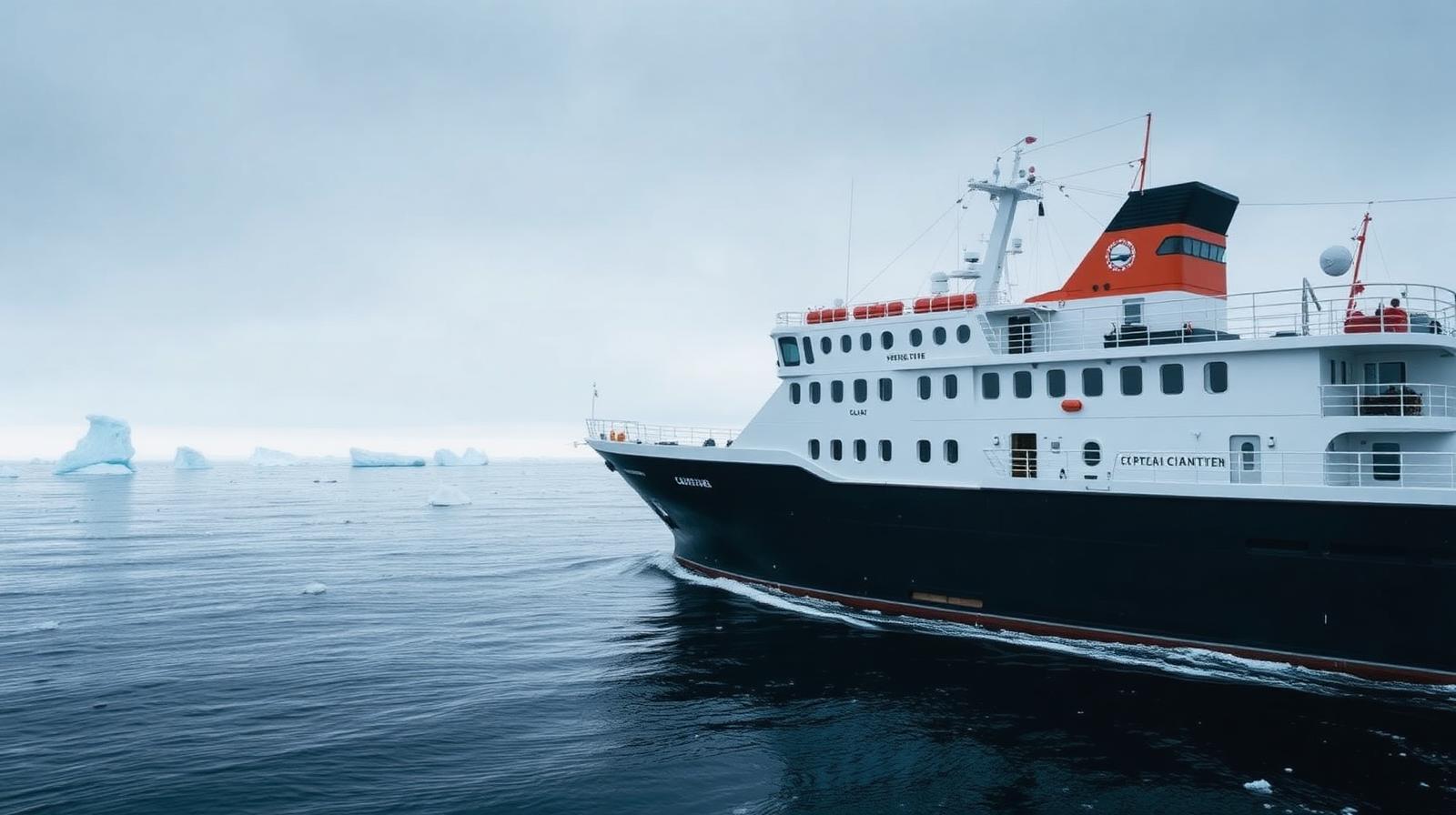
The prolonged quarantine of the MV Hondius Andes has ignited a global discussion among maritime authorities regarding the adequacy of current international health regulations, flag-state responsibilities, and port-state controls in managing infectious disease outbreaks at sea.
International Maritime Organization Faces Calls for Review
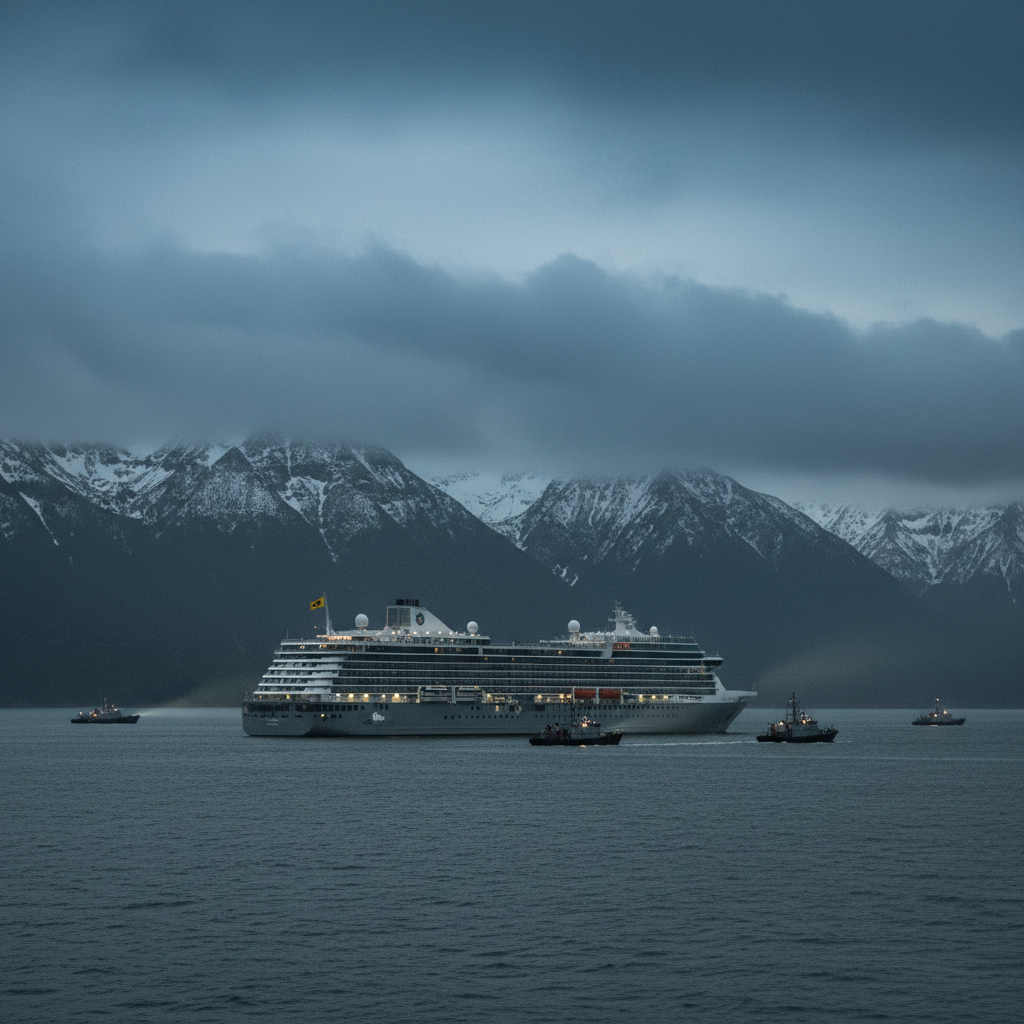
PRAIA, CAPE VERDE – August 22, 2026 – The ongoing health crisis aboard the MV Hondius Andes, presently anchored off Praia, has intensified focus on the International Maritime Organization's (IMO) existing frameworks for public health and quarantine protocols. Maritime experts and public health officials are examining whether current international instruments, designed to prevent and control the spread of infectious diseases via sea travel, are sufficiently strong for modern challenges. The Hondius Andes incident, involving a zoonotic viral outbreak, has underscored potential gaps in the application and enforcement of the International Health Regulations (IHR) (2005) as they pertain to vessels. While the IHR, administered by the World Health Organization (WHO), provides a legal framework for coordinating the management of public health events that have the potential to cross borders, its specific implementation by flag states and port states during complex maritime outbreaks is now under the microscope.
Flag State Responsibilities and Oversight Questioned
The vessel's flag state, yet to be officially confirmed, bears primary responsibility for ensuring the health, safety. Welfare of the crew and passengers aboard its registered vessels. This includes implementing and enforcing national regulations that align with international standards, such as the Maritime Labour Convention (MLC, 2006) and aspects of the IHR. Observers suggest that the severity and duration of the outbreak on the Hondius Andes may indicate deficiencies in initial response protocols or ongoing health surveillance capabilities onboard. Under international law, the flag state is expected to provide prompt and effective medical care, implement appropriate infection control measures. Help timely disembarkation for medical treatment when necessary. The extended period the Hondius Andes has spent at sea under quarantine conditions raises questions about the efficacy of these provisions during a severe outbreak. Public statements from relevant authorities have acknowledged the complexity of managing a novel zoonotic threat in a confined maritime environment.
Port State Controls: A Critical Junction
Port state control (PSC) regimes, through which coastal states inspect foreign-flagged ships calling at their ports, represent a critical layer of defense against the international spread of disease. These inspections typically focus on safety, pollution prevention, and working conditions, though can also encompass public health aspects, especially in the context of outbreaks. The Hondius Andes bypassed several ports before anchoring off Praia, prompting discussions about the triggers and effectiveness of health-related PSC inspections. According to publicly reported figures, the vessel had experienced initial health concerns before its arrival in Cape Verdean waters. This situation highlights the challenge for port states in determining when to deny entry, impose quarantine, or demand specific health measures based on limited information or rapidly evolving health situations at sea. The WHO's IHR provide guidance for such decisions, but their interpretation and practical application can vary. Officials from global health bodies, including the European Centre for Disease Prevention and Control (ECDC) and the Africa Centres for Disease Control and Prevention (Africa CDC), have been engaged in supporting the Cape Verdean authorities in their response efforts. Their involvement underscores the cross-border implications of maritime health incidents and the need for coordinated international responses.
Revisiting Quarantine Protocols at Sea
The extended quarantine period for the Hondius Andes, with restrictions on disembarkation and resupply, has brought historical maritime quarantine practices into sharp relief.While quarantine remains a vital tool for preventing the spread of infectious diseases, modern challenges include ensuring adequate medical support, logistical supply chains for a large population. Addressing the mental health impacts of prolonged isolation at sea. The IMO and WHO have existing guidelines, though the scale and nature of the Hondius Andes outbreak may necessitate further refinement. Discussions are reportedly underway among IMO member states and international health organizations to assess the lessons learned from this incident.Key areas of focus include enhancing communication protocols between vessels, flag states. Port states; strengthening onboard public health surveillance systems; and developing more explicit guidance for managing complex and prolonged quarantines at sea, particularly for novel pathogens. As the Hondius Andes situation continues to unfold, it's clear that the maritime sector, in conjunction with global public health bodies, will need to adapt its regulatory and operational frameworks to better address the dynamic challenges posed by infectious disease outbreaks in an increasingly interconnected world.