Hondius Andes Incident Prompts Urgent Review of Maritime Health Protocols and Flag State Oversight
The protracted quarantine of the MV Hondius Andes off Praia, Cape Verde, has ignited a critical re-evaluation of international maritime health regulations, flag state responsibilities, and port state control mechanisms for managing infectious disease outbreaks at sea.
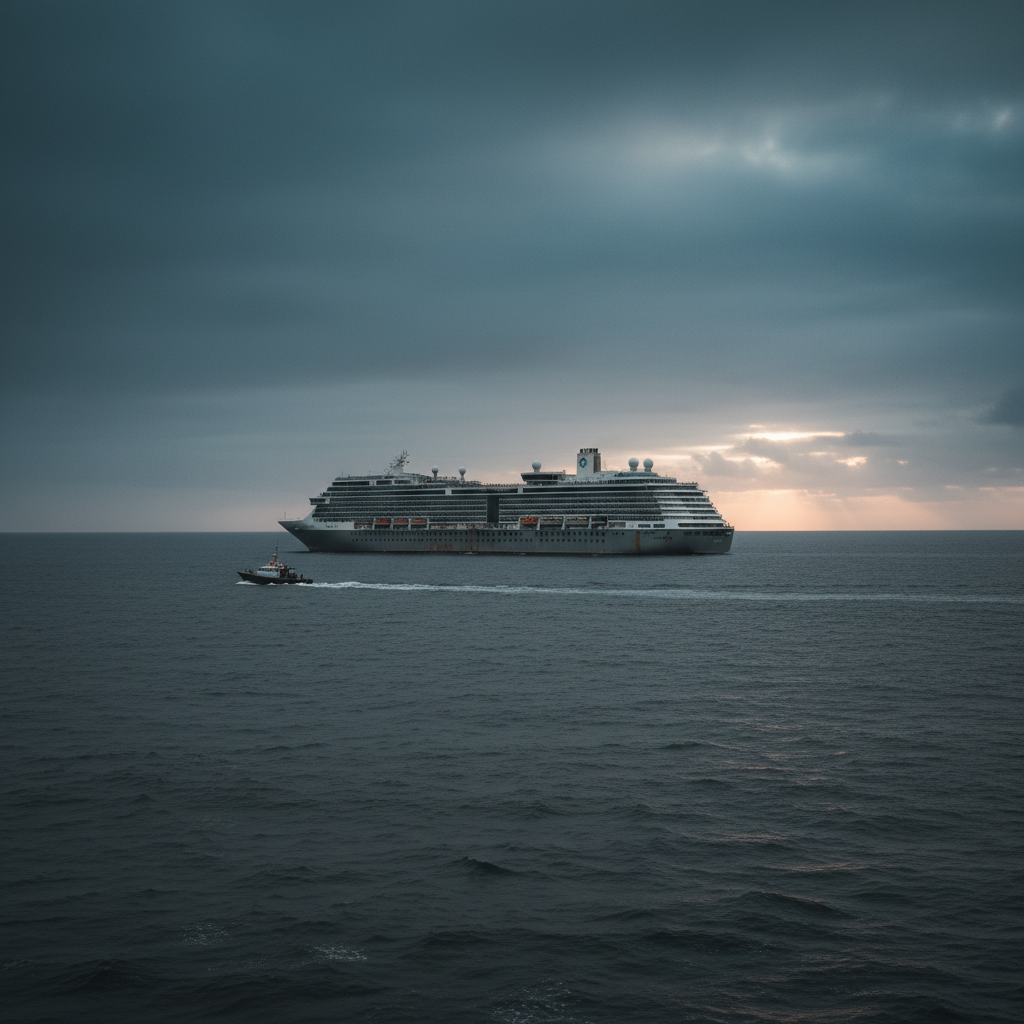
International Maritime Organization Faces Pressure for Enhanced Protocols
PRAIA, Cape Verde – The ongoing public health crisis aboard the MV Hondius Andes, anchored offshore since May 2026, has thrust the International Maritime Organization (IMO) into the spotlight, prompting calls for a comprehensive overhaul of international maritime health protocols. The incident, involving a novel hantavirus outbreak on a passenger vessel, has exposed potential gaps in existing regulations, particularly concerning prolonged quarantine scenarios and the responsibilities of flag states. Maritime health experts and public health officials are urging the IMO to expedite the development of more strong and prescriptive guidelines for managing infectious disease outbreaks on ships. While the International Health Regulations (IHR) 2005, overseen by the World Health Organization (WHO), provide a framework for global health security, their application to complex, multi-jurisdictional maritime incidents like the Hondius Andes event has proven challenging. Discussions are reportedly underway within IMO committees to address several key areas, including clarification of command structures during onboard epidemics, standardization of quarantine facilities and procedures. Enhanced communication protocols between affected vessels, flag states, port states, and international health bodies. Observers suggest that the severity and duration of the Hondius Andes outbreak may serve as a critical catalyst for these long-awaited reforms.
Flag State Responsibilities Under Scrutiny
The performance and oversight capabilities of flag states have come under intense scrutiny in the wake of the Hondius Andes crisis. As the primary authority responsible for enforcing international maritime safety and environmental standards on vessels registered under its flag, the flag state bears bigly responsibility for ensuring compliance with health regulations. Yet, the exact extent of this responsibility during an active outbreak, especially when a vessel is in international waters or anchored off a foreign port, has been a subject of considerable debate. Critics argue that some flag states may lack the specialized public health expertise or resources to effectively manage a complex biological threat like hantavirus on a large passenger ship. There are growing calls for greater accountability and, potentially, for the establishment of clearer international benchmarks for flag state preparedness in public health emergencies. The ability of a flag state to provide adequate medical and logistical support to its vessels during such crises, or to mandate necessary interventions, is being closely examined.
Port State Control: Balancing Sovereignty and Public Health
The role of port state control (PSC) authorities has also been highlighted by the Hondius Andes situation. While port states have the sovereign right to inspect foreign vessels entering their waters and to take action to prevent health risks to their populations, the practical application of these powers during an active and highly contagious outbreak presents unique challenges. Cape Verde, as the port state closest to the incident, has been at the forefront of managing the vessel's prolonged anchorage and isolation. Concerns have been raised on the legal and logistical complexities of enforcing extended quarantines, providing essential supplies. Coordinating medical evacuations while simultaneously protecting local populations from potential transmission.The incident underscores the need for enhanced international cooperation agreements that delineate responsibilities and share resources between port states, flag states. International organizations during major maritime health emergencies. Standardized risk assessment tools and joint training exercises for port state control officers, focusing on biological hazards, are among the proposed solutions.
Rethinking Quarantine Protocols at Sea
The prolonged nature of the Hondius Andes quarantine has prompted a critical re-evaluation of existing at-sea quarantine protocols. Traditional maritime quarantine measures, often designed for shorter incubation periods or less severe pathogens, have proven inadequate for the sustained containment and care required in this specific hantavirus outbreak. The logistical challenges of providing ongoing medical care, mental health support, and essential provisions to hundreds of individuals isolated for months on a vessel are immense. Experts are advocating for the development of more adaptable and comprehensive quarantine strategies that account for varying pathogen characteristics, outbreak durations, and crew/passenger needs. This includes considerations for onboard diagnostic capabilities, telemedicine infrastructure, and protocols for safe patient isolation and transfer. The incident has also underscored the psychological impact of prolonged isolation at sea, prompting calls for integrated mental health support into future maritime health emergency plans. As the MV Hondius Andes remains a stark reminder of the vulnerabilities inherent in global maritime travel, the international community is under increasing pressure to fortify the regulatory frameworks designed to protect public health at sea. The IMO, alongside flag states and port states, faces a critical juncture in adapting to the evolving landscape of global health threats.



