Hondius Andes Incident Sparks Renewed Scrutiny of Maritime Health Regulations
The ongoing hantavirus outbreak aboard the MV Hondius Andes has amplified calls for a reevaluation of international maritime health protocols, including flag-state responsibilities, port-state controls, and at-sea quarantine measures.
International Maritime Organization Faces Calls for Review
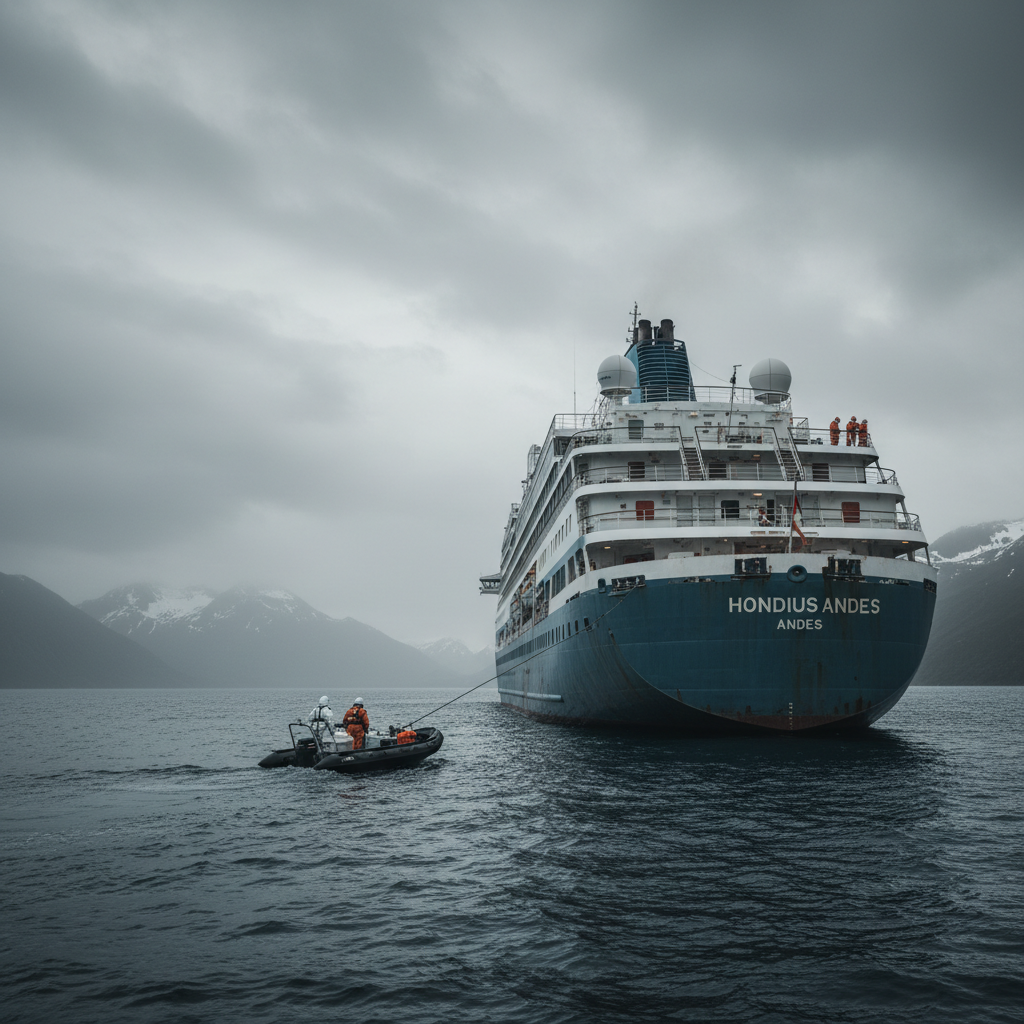
The enduring hantavirus outbreak on the MV Hondius Andes, currently anchored off Praia, Cape Verde, has placed a spotlight on the intricacies of international maritime health regulations. The incident, which began in May 2026, has prompted renewed calls for the International Maritime Organization (IMO) to assess the adequacy of existing frameworks for managing infectious disease outbreaks aboard vessels. Experts and public health bodies are emphasizing the complex interplay between a vessel's flag state, port state authorities. The overarching guidance provided by the IMO and the World Health Organization (WHO). The Hondius Andes situation underscores potential gaps in rapid response, consistent implementation of health security measures, and the legal responsibilities when an outbreak occurs far from immediate jurisdictional reach.
Flag State Responsibilities Under Scrutiny
The concept of the 'flag state' is central to maritime law, designating the country under whose laws a ship is registered and whose flag it flies. This state holds primary responsibility for enforcing international maritime regulations, including those pertaining to health and safety, on its vessels. In the context of an infectious disease outbreak, the flag state is expected to ensure its registered ships comply with international health regulations (IHR) and provide appropriate medical and quarantine provisions. The Hondius Andes incident has highlighted concerns on the extent and enforcement of these flag-state responsibilities. Observers note that while the IMO sets global standards, the actual implementation and oversight vary bigly among flag states.Questions have arisen around the timeliness of reporting, the adequacy of onboard medical facilities and personnel. The protocols for managing sick crew and passengers in accordance with international guidelines. Public health officials have stressed the importance of strong flag-state oversight to prevent such outbreaks from escalating.
Port State Control and Entry Denials
Port state control (PSC) refers to the inspection of foreign ships in national ports by port state officers to verify that the condition of the ship and its equipment comply with the requirements of international conventions. While PSC typically focuses on safety, pollution prevention, and working conditions, the Hondius Andes event shows its critical role in health security. Multiple reports indicate that the MV Hondius Andes has been denied entry or bigly delayed access to several ports since the hantavirus outbreak was identified. These actions, undertaken by port state authorities, exemplify the exercise of PSC powers aimed at preventing the spread of disease from a vessel to the shore population. But, the denials too present bigly logistical and humanitarian challenges for the ship and its occupants, raising questions on the international mechanisms for coordinated response and the establishment of safe havens for affected vessels. Discussions among maritime and health authorities are reportedly focusing on standardizing the criteria for port entry or denial during public health emergencies, ensuring consistency across jurisdictions while upholding public health safeguards. The balance between protecting national health interests and fulfilling humanitarian obligations to those aboard the vessel remains a delicate and ongoing negotiation.
Quarantine Protocols at Sea: Challenges and Compliance
The MV Hondius Andes case has vividly illustrated the complexities of implementing prolonged quarantine protocols at sea.International Health Regulations (2005) empower countries to take measures to prevent the spread of diseases, including quarantine. Applying these to a vessel adrift for an extended period presents unique challenges. Onboard resources, including medical supplies, fresh water, sanitation, and sufficient isolation facilities, become severely strained during prolonged quarantines. The mental health and welfare of those confined aboard as well become paramount concerns.The incident has reportedly sparked discussions within the WHO and IMO about enhancing guidance for prolonged at-sea quarantines, including provisions for essential supplies, medical evacuation protocols. Psychological support. Compliance with international health regulations, particularly on the declaration of infectious disease cases and the implementation of isolation measures, is a cornerstone of global health security. The Hondius Andes situation serves as a stark reminder of the global interconnectedness of maritime travel and the critical need for a unified and adaptable international response framework to manage health crises at sea. Maritime industry bodies and public health organizations are expected to continue their dialogue on these matters, aiming to strengthen the resilience of global shipping against future public health threats. The lessons learned from the MV Hondius Andes are anticipated to inform future revisions of international health and maritime safety guidelines.



