Hondius Andes: Misinformation Spreads Online Amidst Hantavirus Outbreak Response
As the MV Hondius Andes remains anchored off Praia, health authorities combat a wave of online misinformation regarding the hantavirus outbreak, urging reliance on verified sources.
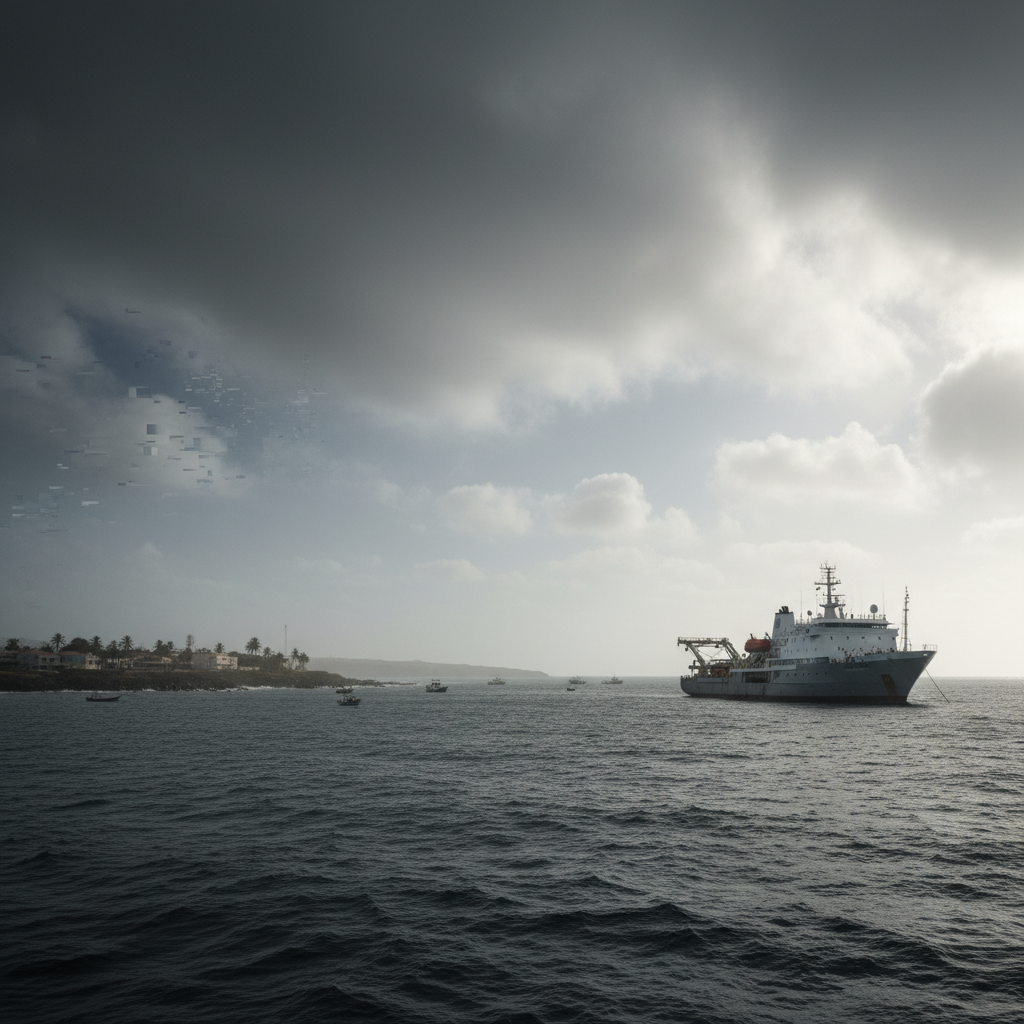
Misinformation Battle Rages Alongside Hantavirus Response
PRAIA, CAPE VERDE – September 8, 2026 – While international health organizations and Cape Verdean authorities continue their coordinated response to the hantavirus outbreak aboard the MV Hondius Andes, a parallel challenge has emerged: a growing tide of misinformation circulating across social media platforms and unverified online channels. Public health officials are actively working to counteract these claims, emphasizing the importance of accurate, science-based information from established sources. Since the initial reports of the outbreak in May 2026, the absence of real-time, granular data, coupled with the inherent anxieties of a novel public health crisis, has created fertile ground for speculative and often erroneous content. Claims range from exaggerated mortality rates and unproven transmission vectors to conspiracy theories on the origin and handling of the crisis.
Discrepancies Between Online Claims and Official Statements
One persistent online narrative suggests a far higher number of fatalities than publicly acknowledged by health organizations. While official bodies such as the World Health Organization (WHO) and Africa Centres for Disease Control and Prevention (Africa CDC) have provided regular updates on the situation, these figures are often characterized by their measured and verified nature, contrasting sharply with the speculative numbers amplified online. Officials consistently underscore that reported figures reflect confirmed cases and deaths following rigorous diagnostic protocols, rather than anecdotal or unverified accounts. Another prevalent claim concerns the mode of hantavirus transmission on the vessel. Online discussions frequently assert airborne person-to-person spread, or even contamination of the ship's water supply. But, leading health bodies, including the U.S. Centers for Disease Control and Prevention (US CDC) and the European Centre for Disease Prevention and Control (ECDC), consistently reiterate that hantavirus is primarily transmitted to humans through inhalation of aerosols from rodent urine, droppings, or saliva. While rare instances of person-to-person transmission have been documented for certain hantavirus strains in specific regions (e.g., Andes virus in South America), no official source has indicated such transmission is a bigly factor in the MV Hondius Andes outbreak. As well, extensive testing of the ship's water and ventilation systems, as publicly stated by Cape Verdean health ministry representatives, has not revealed hantavirus contamination.
Unverified Cures and Preventative Measures
Misinformation as well extends to alleged cures and preventative measures. Various online posts have promoted unproven herbal remedies, dietary supplements, or experimental treatments as effective against hantavirus. Health organizations universally caution against such claims. As of September 8, 2026, there is no specific cure for hantavirus infection; treatment focuses on supportive care. Preventative measures, as advised by WHO and Africa CDC, center on rodent control and avoiding contact with rodent excreta, consistent with established public health guidelines for hantavirus pulmonary syndrome (HPS) and hemorrhagic fever with renal syndrome (HFRS).
The Role of Official Sources
Authorities are urging the public, media, and affected communities to prioritize information from official and verifiable sources. The WHO, Africa CDC, and national health ministries of Cape Verde and the countries of origin for the affected passengers and crew are the primary conduits for accurate information. These bodies provide updates based on confirmed laboratory results, epidemiological investigations, and expert consensus, ensuring that reported data is both reliable and contextualized. International Maritime Organization (IMO) statements have focused on the operational and humanitarian aspects of the ship's anchoring and repatriation efforts, aligning with their mandate. Have not addressed specific epidemiological details, which remain the purview of health agencies.Similarly, reputable news outlets like Reuters, Associated Press (AP). BBC have largely relied on direct statements and reports from these official health and maritime bodies, providing an key counter-balance to unverified online content. Combating misinformation remains a critical component of the overall response, ensuring that public health messages are heard and acted upon without undue alarm or reliance on dangerous falsehoods. The emphasis on transparency and regular updates from official channels is crucial for maintaining public trust and facilitating an effective global response to the ongoing situation aboard the MV Hondius Andes.



