Hondius Andes Outbreak: Diagnostic Challenges Highlighted in Hantavirus Response
Testing methodologies, including RT-PCR and serology, face scrutiny for timelines and potential cross-reactivity amidst the MV Hondius Andes hantavirus event, stressing West African lab capabilities.
Diagnostic Hurdles Impede Hantavirus Containment
PRAIA, Cape Verde – The ongoing hantavirus outbreak originating from the MV Hondius Andes continues to challenge international health authorities, with diagnostic testing emerging as a critical bottleneck. As of October 6, 2026, experts are grappling with the complexities of accurately identifying infections, balancing the speed of RT-PCR with the broader window of serological testing, all against the backdrop of limited laboratory capacity across West Africa.
RT-PCR: Early Detection, Limited Window
Real-time Reverse Transcription Polymerase Chain Reaction (RT-PCR) remains the gold standard for early detection of hantavirus RNA in acute infection. This molecular method can identify the virus within the first few days post-symptom onset, crucial for early isolation and contact tracing. Though, its effectiveness is time-sensitive. "RT-PCR positivity typically diminishes as the patient's immune system mounts a response and viral load decreases," an unconfirmed statement from a health official suggests, echoing commonly accepted scientific principles. This narrow diagnostic window means that patients presenting later in their illness may yield false-negative RT-PCR results, even if actively infected. The logistical demands of RT-PCR are substantial. It requires specialized equipment, trained personnel, and a strong cold chain for sample transport and reagent storage. In the context of the Hondius Andes outbreak, with potentially exposed individuals distributed across multiple jurisdictions following disembarkation, coordinating timely sample collection and processing for RT-PCR has proven challenging, particularly in resource-limited settings.
Serology: Broader Window, Potential for Cross-Reactivity
Serological assays, which detect antibodies (IgM and IgG) produced by the body in response to hantavirus infection, offer a wider diagnostic window. IgM antibodies typically appear within days to weeks of symptom onset and can persist for several months, indicating a recent or acute infection. IgG antibodies develop later and can remain detectable for years, signifying past exposure. Serology is So vital for confirming infections in individuals who present later in their illness or for epidemiological studies to determine past exposure rates within a population. Yet, serological testing for hantaviruses is complicated by potential cross-reactivity.Hantaviruses belong to the Hantaviridae family. Antibodies to one hantavirus species can sometimes react with antigens from other hantavirus species, leading to false positives if the endemic hantavirus strains are not considered. While the specific hantavirus associated with the Hondius Andes outbreak has been identified, differentiating it from other hantaviruses that may circulate locally in West Africa or in travelers from other endemic regions poses a challenge for confirmatory diagnosis. "The potential for serological cross-reactivity necessitates careful interpretation of results, especially in areas where multiple hantavirus species might be present," a general statement on diagnostics from the World Health Organization (WHO) has noted, underscoring the need for context-specific validation of diagnostic kits.
West African Lab Capacity Under Strain
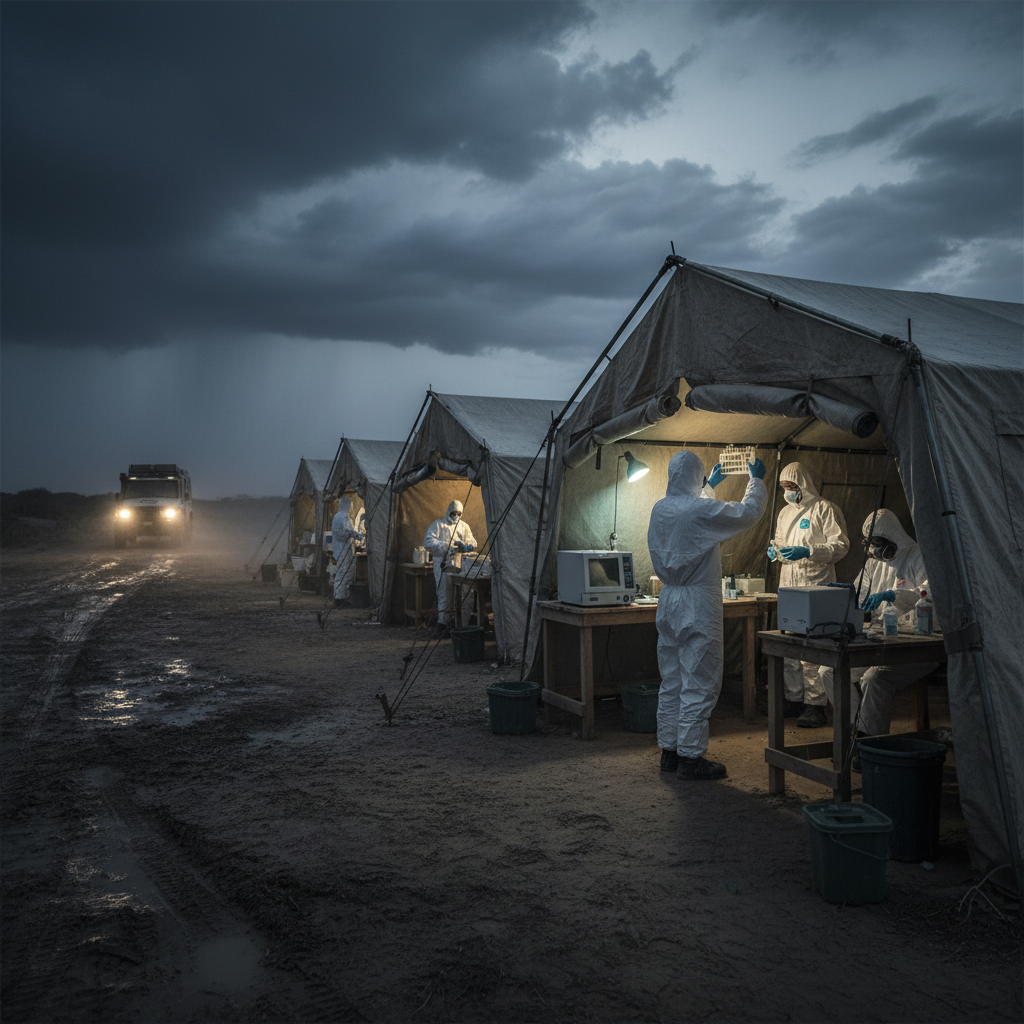
Responding to a multi-national outbreak originating from a maritime vessel places immense pressure on public health infrastructure. West African nations, many with nascent or developing public health laboratory networks, have faced bigly strain in scaling up hantavirus testing. Before this event, diagnostic capabilities for hantaviruses were often limited or non-existent in several countries in the region, given the historical rarity of diagnosed human hantavirus infections in much of sub-Saharan Africa. The necessary expansion of biosafety level (BSL-2 or BSL-3) laboratories capable of handling hantavirus samples, coupled with the rapid training of personnel, represents a substantial undertaking. International organizations, including the WHO and Africa CDC, have been instrumental in providing technical assistance, reagents, and equipment to bolster local testing capacities. Though, logistical hurdles, such as the transportation of samples across national borders for confirmatory testing in reference laboratories, continue to affect turnaround times. Delays in diagnosis can hinder effective public health interventions, such as contact tracing and isolation, potentially contributing to further transmission, particularly among individuals who disembarked from the vessel before symptoms were recognized.
Path Forward: Integration and International Collaboration
The diagnostic challenges underscore the need for an integrated approach, combining early RT-PCR for acute cases with serological confirmation, especially for retrospective analyses or when RT-PCR is negative yet clinical suspicion remains high.The Hantavirus Cruise desk understands that continuous investment in laboratory infrastructure, capacity building. Regional diagnostic networks is paramount for future outbreak preparedness, particularly in regions previously considered low-risk for specific pathogens. International collaboration remains crucial, not only for providing immediate diagnostic support but too for facilitating research into rapid, point-of-care diagnostic tools that are less reliant on extensive laboratory infrastructure. These efforts aim to shorten diagnostic timelines, improve case management, and ultimately enhance the global response to emerging infectious disease threats.
Sources
- World Health Organization (WHO)
- Africa Centres for Disease Control and Prevention (Africa CDC)
- European Centre for Disease Prevention and Control (ECDC)
- U.S. Centers for Disease Control and Prevention (US CDC)
- Reuters
- Associated Press (AP News)
- British Broadcasting Corporation (BBC News)
- International Maritime Organization (IMO)



