Hondius Andes Outbreak: Diagnostic Delays Hinder Response Amidst West African Lab Constraints
Testing complexities for hantavirus, including RT-PCR and serology timelines and potential cross-reactivity, are challenging the global response to the MV Hondius Andes outbreak, exposing critical infrastructure gaps in West Africa.
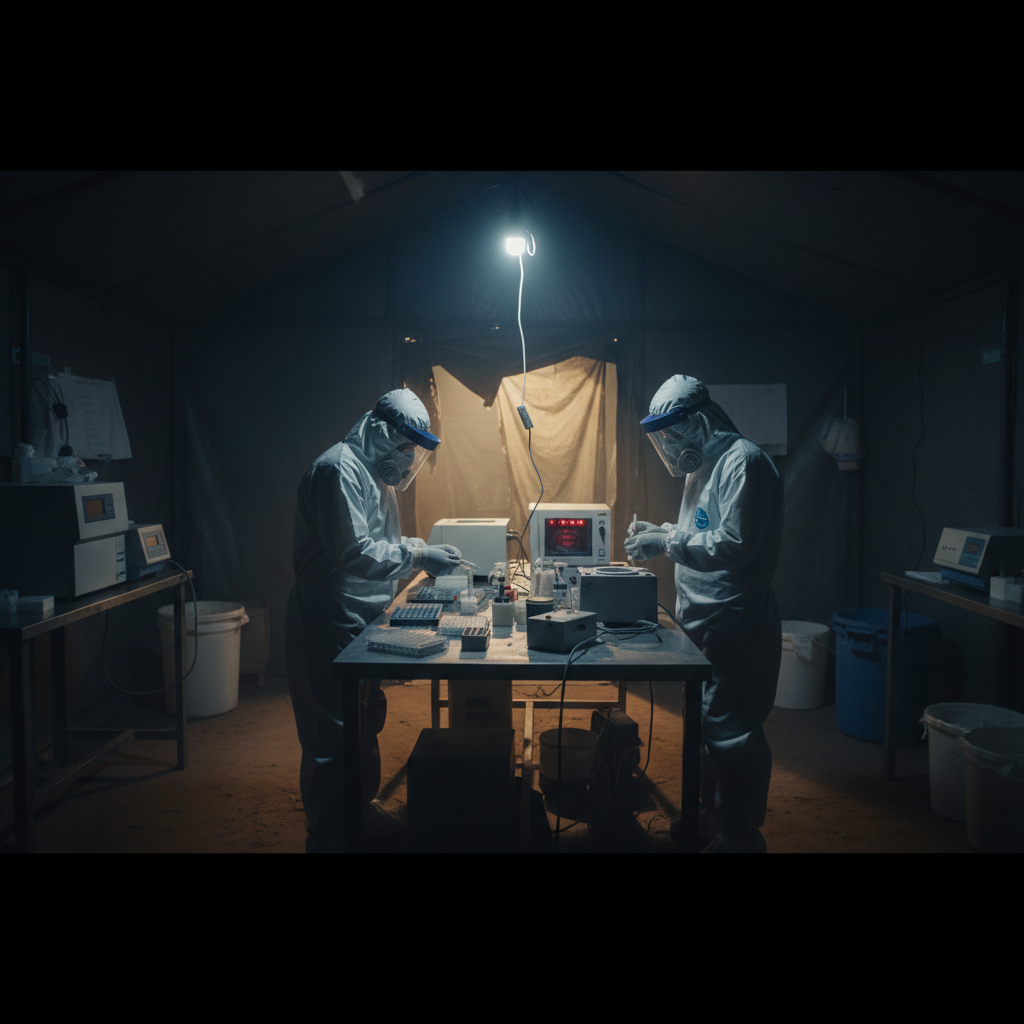
Diagnostic Hurdles Impede Hantavirus Response
The ongoing hantavirus outbreak originating from the MV Hondius Andes, currently anchored off Praia, Cape Verde, continues to highlight bigly diagnostic challenges, according to recent statements from health authorities. The complexities surrounding accurate and timely testing, particularly the interplay between RT-PCR and serological methods, are impacting both clinical management and public health surveillance across the affected region.
RT-PCR vs. Serology: A Timeline Conundrum
Early detection of hantavirus infections is crucial for patient care and outbreak control. Reverse Transcription Polymerase Chain Reaction (RT-PCR) testing is considered the gold standard for detecting viral genetic material during the acute phase of infection. This method is highly sensitive and specific when performed correctly. But, the window for RT-PCR positivity can be narrow, typically declining as the immune response develops. Conversely, serological tests, which detect antibodies (IgM and IgG) produced by the body in response to the virus, become positive later in the infection. IgM antibodies usually appear within days of symptom onset and can persist for several weeks or months, indicating recent infection. IgG antibodies develop later and can remain detectable for years, signifying past exposure. While essential for confirming convalescent cases and understanding seroprevalence, relying solely on serology in the early stages can lead to delayed diagnosis, potentially missing critical intervention opportunities and obscuring the true extent of active transmission. "The optimal diagnostic approach often involves a combination of both RT-PCR and serology," a spokesperson for the World Health Organization (WHO) noted in a recent technical briefing. "PCR for early, acute cases, and serology for later presentations or for individuals who may have missed the acute PCR window. Coordinating these different test timelines within an emergency response is a complex logistical undertaking."
Cross-Reactivity Concerns
Another layer of complexity arises from the potential for cross-reactivity with other endemic pathogens.Hantaviruses are a diverse group. While the specific strain implicated in the Hondius Andes outbreak is undergoing extensive characterization, there are concerns that certain serological assays might cross-react with antibodies from other viral infections prevalent in West Africa. This could lead to false positive results, unnecessarily straining already stretched healthcare resources and causing undue alarm. "Differential diagnosis is paramount in regions with a high burden of febrile illnesses," stated an expert from the Africa Centres for Disease Control and Prevention (Africa CDC). "Distinguishing hantavirus from diseases like Lassa fever, malaria, or other viral hemorrhagic fevers requires strong, specific diagnostic tools. Cross-reactivity, even if rare, demands careful interpretation of results and often requires confirmatory testing."
West African Laboratory Capacity Under Strain
The diagnostic challenges are exacerbated by pre-existing limitations in laboratory capacity across West Africa. While some national reference laboratories possess RT-PCR capabilities, the infrastructure for widespread, rapid, and high-throughput testing remains nascent in many areas. The initial phase of the MV Hondius Andes outbreak required bigly international support for sample transportation and processing, underscoring systemic weaknesses. "The current outbreak has highlighted the urgent need for enhanced biosafety level (BSL-2 and BSL-3) laboratory facilities and trained personnel throughout the region," a senior analyst from the US Centers for Disease Control and Prevention (US CDC) observed. "From reagent supply chains to equipment maintenance and quality assurance programs, strengthening these core capacities is essential for future epidemic preparedness, not just for hantavirus."
Training of laboratory technicians, establishment of cold chain logistics for sample transport, and the availability of specialized reagents are critical bottlenecks. Behind the scenes: the rapid influx of samples related to the outbreak has placed immense pressure on existing facilities, leading to reported delays in result turnaround times, which can compromise contact tracing efforts and timely patient isolation. Publicly reported figures as of October 19, 2026, indicate that several affected nations are struggling to process the volume of tests required for comprehensive surveillance. International organizations, including the WHO and the European Centre for Disease Prevention and Control (ECDC), are coordinating efforts to bolster diagnostic capabilities through the deployment of mobile laboratories, provision of essential supplies. Technical assistance. But, the path to resilient, self-sufficient diagnostic infrastructure in West Africa remains long, and the Hondius Andes incident serves as a stark reminder of these enduring vulnerabilities.
Looking Ahead
As the outbreak continues to evolve, the ability to accurately and quickly diagnose hantavirus infections will remain a cornerstone of the global and regional response. Ongoing efforts focus on validating rapid diagnostic tests (RDTs) for hantavirus, improving laboratory networking, and fostering regional collaboration to ensure equitable access to essential diagnostic tools.