Hondius Andes Outbreak: Insurers Face Liability Challenges Amid Hantavirus Crisis
The MV Hondius Andes hantavirus outbreak triggers complex insurance claims and legal scrutiny for Protection and Indemnity (P&I) clubs, as passenger compensation and force majeure clauses come under intense focus.
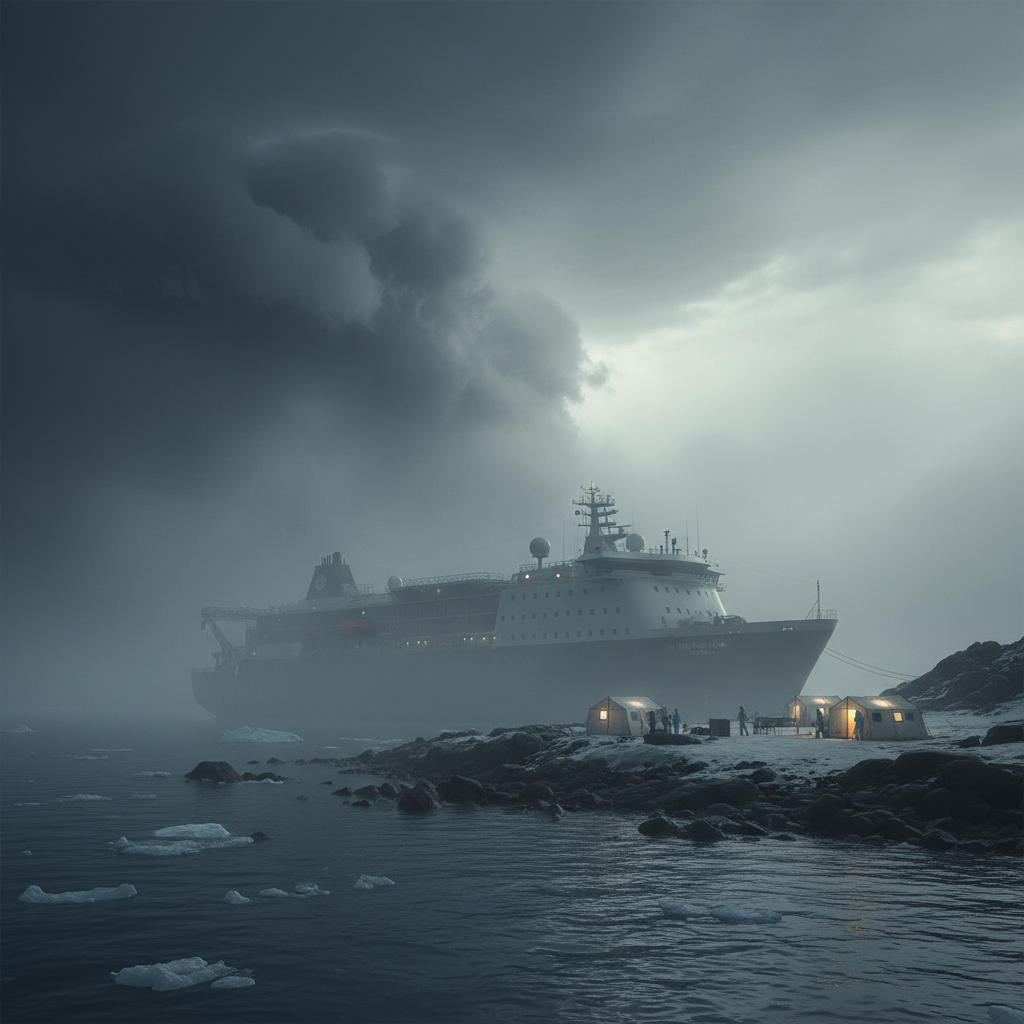
P&I Clubs Under Scrutiny for Hondius Andes Exposure
The ongoing hantavirus outbreak aboard the MV Hondius Andes, anchored off Praia, Cape Verde, has brought the intricate world of maritime insurance into sharp focus. Protection and Indemnity (P&I) clubs, mutual insurance associations that provide third-party liability cover for shipowners, are reportedly facing bigly exposure due to the prolonged incident and its wide-ranging implications for passengers and crew. Industry analysts indicate that the scale and nature of the hantavirus outbreak present unique challenges for P&I clubs.Unlike more common maritime incidents such as collisions or groundings, an infectious disease outbreak of this magnitude on a cruise vessel involves complex questions of causation, foreseeability. The extent of a shipowner's duty of care. Claims are expected to encompass medical expenses, repatriation costs, loss of enjoyment of holiday, and potentially long-term health consequences for affected individuals. Several P&I clubs are believed to be involved, covering different aspects of the Hondius Andes operation. While specific figures regarding potential payouts are not yet released, the aggregated costs associated with the hundreds of passengers and crew members impacted are anticipated to be substantial. The International Group of P&I Clubs, which provides reinsurance for its members, is likely monitoring developments closely, given the potential for poolable claims that exceed individual club retention levels.
Passenger Claims and Compensation Frameworks
Passengers aboard the MV Hondius Andes are expected to pursue various forms of compensation. Maritime law, particularly as it pertains to passenger carriage, often references international conventions that dictate liability limits and frameworks. The Athens Convention relating to the Carriage of Passengers and their Luggage by Sea (1974) and its 2002 Protocol are key instruments. These conventions establish a system of liability for loss, damage, or personal injury suffered by passengers during sea voyages, often placing the burden of proof on the carrier in certain circumstances. Legal experts suggest that claims will likely center on whether the cruise operator exercised due diligence in preventing the outbreak, responding to initial symptoms. Mitigating its spread. Questions surrounding the vessel's sanitation protocols, pest control measures, and medical facilities on board are central to establishing liability. The extended period of quarantine and restriction of movement experienced by passengers and crew is as well a factor that could contribute to claims for emotional distress and disruption. Sources close to passenger advocacy groups indicate that legal counsel is being sought by a number of affected individuals from multiple nationalities.The complexity arises from the diverse nationalities of passengers and the potential application of different national laws. International maritime conventions aim to harmonize some aspects of liability.
Force Majeure: An Evolving Interpretation
A critical element in the defense strategies of the shipowner and their insurers will likely be the invocation of 'force majeure' clauses. These contractual provisions typically excuse parties from fulfilling their obligations when an unforeseen event beyond their control prevents them from doing so. Natural disasters, epidemics, and governmental actions are often cited as examples of force majeure events. But, the interpretation of force majeure in the context of an infectious disease outbreak on a vessel is nuanced. While a novel pathogen's emergence might be considered unforeseen, the duty of care to protect passengers from known health risks, even emergent ones, remains. The extent to which the shipowner could have reasonably anticipated or prepared for such an event, or acted swiftly to contain it, will be heavily debated. Legal precedents regarding force majeure in maritime transport during health crises are limited, making the Hondius Andes case potentially influential.Courts will likely consider factors such as the availability of information on hantavirus risks, the effectiveness of the vessel's response plan. Adherence to international health regulations (IHR) as prescribed by the World Health Organization (WHO). The outcome of these discussions will have bigly implications not only for the Hondius Andes incident yet too for the broader cruise industry's future insurance policies and contractual agreements in an era of heightened awareness regarding global health security.
Regulatory Landscape and Future Implications
Beyond immediate claims, the Hondius Andes incident is expected to prompt regulatory reviews by international maritime bodies and national health authorities.The International Maritime Organization (IMO) has previously issued guidelines related to health on board ships. This outbreak could lead to revised or more stringent requirements for infectious disease preparedness and response on passenger vessels. For P&I clubs, the experience of underwriting risks related to complex biological hazards will likely influence future premium structures and policy exclusions.Shipowners, in turn, may face increased pressure to show strong health management systems, potentially including more frequent health inspections, enhanced surveillance capabilities. Updated crew training on outbreak management. The long-term financial ramifications for the cruise sector, particularly concerning reputational damage and increased insurance costs, are still unfolding as the Hondius Andes remains anchored off Praia.



