Hondius Andes Outbreak: P&I Clubs Scrutinize Liability Amidst Unprecedented Claims
The MV Hondius Andes hantavirus outbreak off Praia, Cape Verde, is triggering complex insurance battles, with P&I clubs assessing massive passenger claims and potential 'force majeure' defenses in a maritime incident of unique epidemiological challenge.
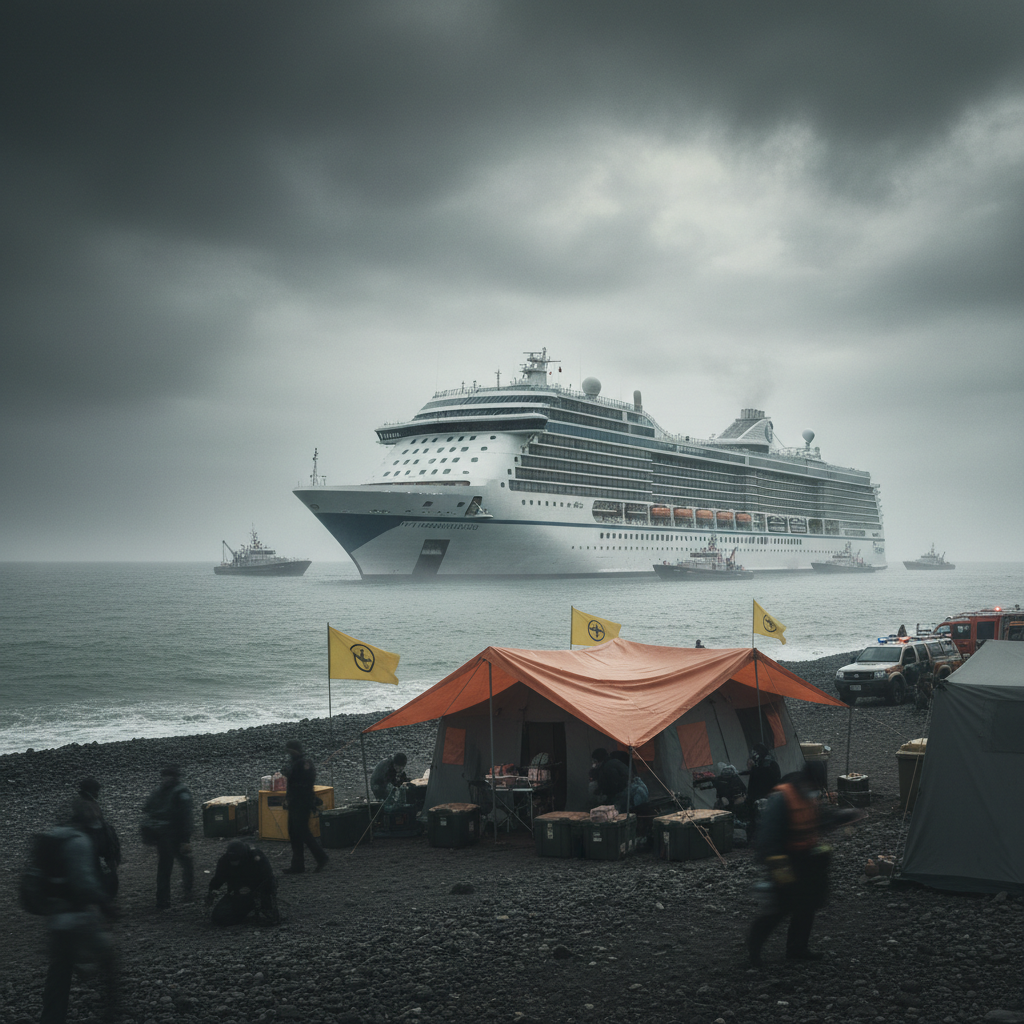
Insurance Industry Grapples with Hondius Andes Aftermath
LONDON – The protracted hantavirus outbreak aboard the MV Hondius Andes, which has remained anchored off Praia, Cape Verde, since May 2026, is posing an unprecedented challenge for the maritime insurance industry.Protection and Indemnity (P&I) clubs, mutual insurers covering third-party liabilities for shipowners, are facing a potential wave of passenger claims stemming from illness, quarantine. Prolonged disruption, while simultaneously evaluating the applicability of 'force majeure' clauses. Several P&I clubs, including those representing a bigly portion of the global shipping fleet, are reportedly engaged in intensive discussions on the scope of coverage for the Hondius Andes incident. The unique nature of a zoonotic viral outbreak with a prolonged incubation period, occurring on an international cruise vessel, complicates established protocols for liability assessment.
Passenger Claims and Legal Landscape
Passengers on board the MV Hondius Andes, as well as those repatriated earlier, are reportedly initiating legal inquiries regarding compensation for medical expenses, loss of income, psychological distress. The cost of their interrupted voyages. The intricate web of international maritime law, contractual terms, and national jurisdictions adds layers of complexity to these claims. For instance, the flag state of the vessel, the nationality of the passengers, and the place where tickets were purchased could all influence legal proceedings. Sources within the legal community specializing in maritime claims indicate that the interpretation of cruise ticket terms and conditions will be central to many cases. Specifically, clauses pertaining to public health emergencies, itinerary changes, and the shipowner's duty of care are under intense scrutiny. The duration of the quarantine and the nature of the containment efforts on board will likely factor into assessments of negligence or breach of contract. "The sheer scale and duration of the Hondius Andes incident mean that P&I clubs are looking at liabilities that could stretch into the tens, if not hundreds, of millions of dollars," an anonymous industry analyst told Reuters earlier this month. "This isn't just around medical costs; it's around prolonged detention, repatriation complications, and the psychological impact on hundreds of individuals."
Force Majeure and Unforeseeable Circumstances
Shipowners and operators often invoke 'force majeure' – unforeseeable circumstances that prevent the fulfillment of a contract – to mitigate liability during extraordinary events. Though, the application of force majeure in the context of an infectious disease outbreak, particularly one that has persisted for several months, is subject to rigorous legal interpretation. For a force majeure defense to succeed, the event must generally be truly unforeseeable, beyond the control of the parties. Render performance of the contract impossible, not merely more difficult or expensive. While the emergence of a novel pathogen or an isolated infectious disease incident might typically qualify, the ongoing nature of the Hondius Andes situation raises questions about the operator's response and adherence to best practices in public health and maritime safety protocols once the initial outbreak was identified. The International Maritime Organization (IMO) has previously issued guidance on public health emergencies. The operator's compliance with such guidelines, as well as those from the World Health Organization (WHO), will likely be a bigly point of contention.The timeline of preventative measures, detection protocols. Containment strategies implemented on board the Hondius Andes from May 2026 onwards will be critically examined by legal teams representing both passengers and the shipowner.
Long-term Implications for Cruise Insurance
The Hondius Andes incident is expected to have far-reaching implications for the cruise insurance market.P&I clubs and other marine insurers may re-evaluate risk models, policy wordings. Premium structures to better account for the potential for prolonged public health crises on board vessels. The event underscores the interconnectedness of global health, maritime operations, and the financial instruments that underpin the industry. As of September 2026, the full financial impact of the Hondius Andes outbreak on its insurers remains unquantified, pending the resolution of individual claims and potential class-action lawsuits. Here's the thing: the incident serves as a stark reminder of the complexities inherent in operating large passenger vessels in an era where global health threats can rapidly escalate into major maritime and financial challenges.



