Hondius Andes Outbreak Prompts IMO Scrutiny of Maritime Health Protocols
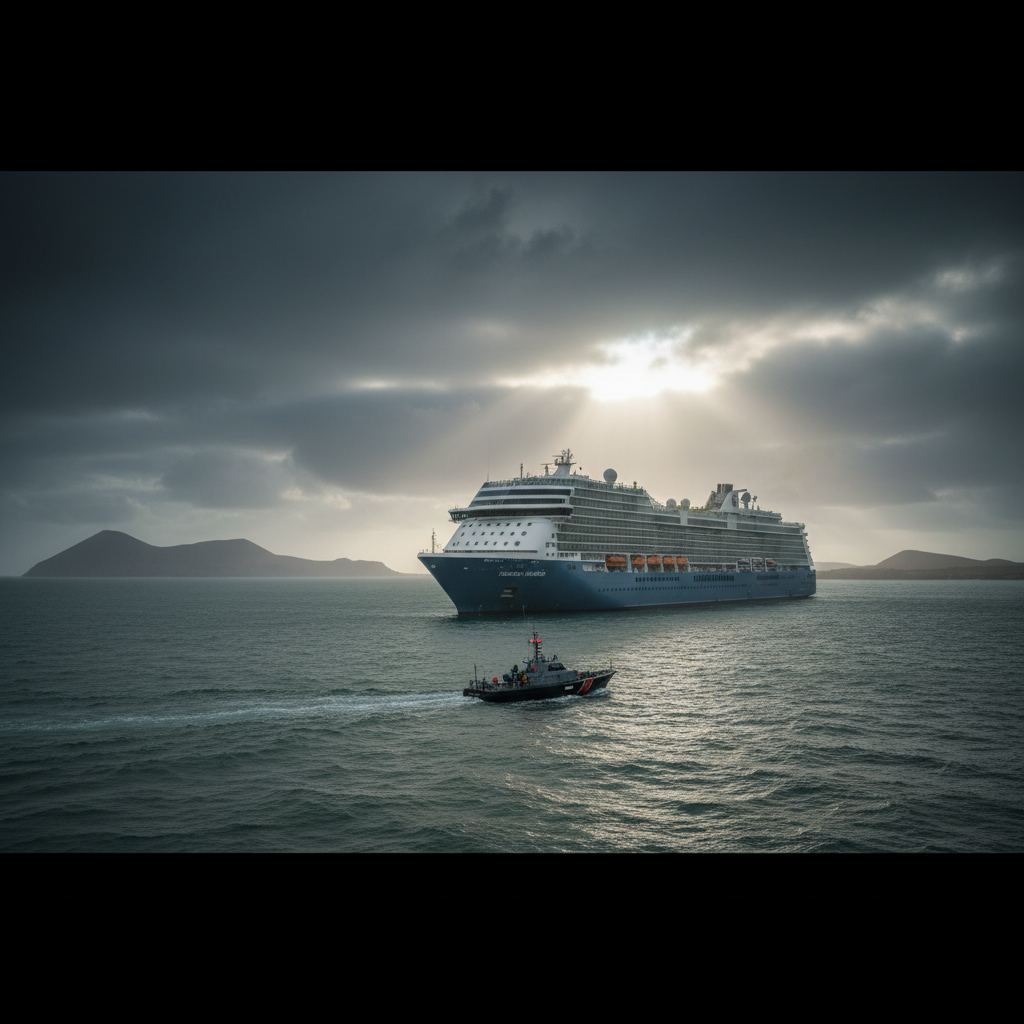
The protracted quarantine of the MV Hondius Andes off Praia, Cape Verde, is drawing international attention to the adequacy of current maritime health regulations, with flag-state responsibilities and port-state controls under renewed focus amid a global health crisis.
International Maritime Organization Examines Regulatory Gaps
PRAIA, Cape Verde — The ongoing health crisis aboard the MV Hondius Andes, a cruise vessel currently anchored off Praia, has intensified discussions within the International Maritime Organization (IMO) on the robustness and enforcement of international maritime health regulations. The incident, which began in May 2026, highlights potential gaps in existing protocols for managing bigly infectious disease outbreaks at sea, particularly concerning responsibilities of flag states and the scope of port state controls. Initial reports from the World Health Organization (WHO) and Africa Centres for Disease Control and Prevention (Africa CDC) have underscored the challenges inherent in containing an emerging pathogen on a confined vessel. While hantavirus is not typically spread person-to-person, the onboard environment has presented unique epidemiological complexities, according to health officials speaking anonymously to the press.
Flag State Obligations Under Scrutiny
The MV Hondius Andes operates under the flag of convenience, a common practice in the global shipping industry. This arrangement places primary regulatory responsibility, including health and safety oversight, with the flag state. Maritime experts and public health authorities are now questioning whether the current framework adequately ensures preparedness and response capabilities for infectious disease outbreaks of this scale. Sources within the IMO indicate preliminary discussions are underway to review the effectiveness of the International Health Regulations (IHR) 2005 as applied to maritime transport.Specifically, attention is being given to how flag states implement and enforce IHR requirements related to ship sanitation, pest control. The management of ill passengers and crew. Concerns have been raised on the uniformity of standards and the accountability mechanisms when outbreaks occur, especially in scenarios where medical evacuation or comprehensive onshore medical support is limited.
Port State Control: Powers and Limitations
Cape Verdean authorities, acting as the port state, have exercised their right to refuse entry to the MV Hondius Andes due to public health concerns. This action is permissible under international law, including the United Nations Convention on the Law of the Sea (UNCLOS) and the IHR. Port state control measures are crucial for preventing the international spread of disease and ensuring compliance with global health standards. But, the Hondius Andes situation shows the complex decision-making involved in prolonged maritime quarantines. While port states can deny entry, they too bear humanitarian responsibilities under international law, which can create tension when balancing national health security with the welfare of those onboard. The length of the quarantine, as reported by various news agencies, has prompted discussions on the resources available to port states, particularly smaller nations, to manage such protracted crises and provide necessary support from afar.
Quarantine Protocols at Sea: A Complex Challenge
The management of quarantine protocols at sea has proven exceptionally challenging. By contrast, the vessel's operator, in coordination with the flag state and international health bodies, has been responsible for implementing isolation measures, providing medical care, and conducting environmental decontamination. The prolonged nature of the incident underscores the difficulties in maintaining effective infection control and mental health support for passengers and crew in an isolated environment. Public health officials have noted that while guidelines for managing outbreaks on ships exist from organizations like the WHO, their practical application during an extended quarantine of a novel or complex pathogen can strain resources and expose logistical vulnerabilities. The need for clear, actionable, and uniformly enforced guidelines for on-board infectious disease management, including detailed protocols for hantavirus-like outbreaks, is becoming increasingly evident.
Path Forward: Enhanced Cooperation and Regulatory Review
The IMO, in collaboration with the WHO and other relevant bodies, is expected to continue its review of maritime health regulations in light of the Hondius Andes incident. Potential outcomes could include:
- Strengthening flag state obligations for infectious disease preparedness and response plans. * Developing more precise guidelines for port states on managing prolonged quarantines and humanitarian assistance. * Enhancing data sharing and communication protocols between ship operators, flag states, and port states during outbreaks. * Potentially revising aspects of the IHR 2005 specific to the maritime sector to address emerging infectious disease threats more effectively. The global shipping industry relies on international cooperation and strong regulatory frameworks. The lessons learned from the MV Hondius Andes will undoubtedly inform future policies aimed at safeguarding global health and ensuring the safe operation of maritime transport.



