Hondius Andes Outbreak Prompts Urgent Review of Global Maritime Health Regulations
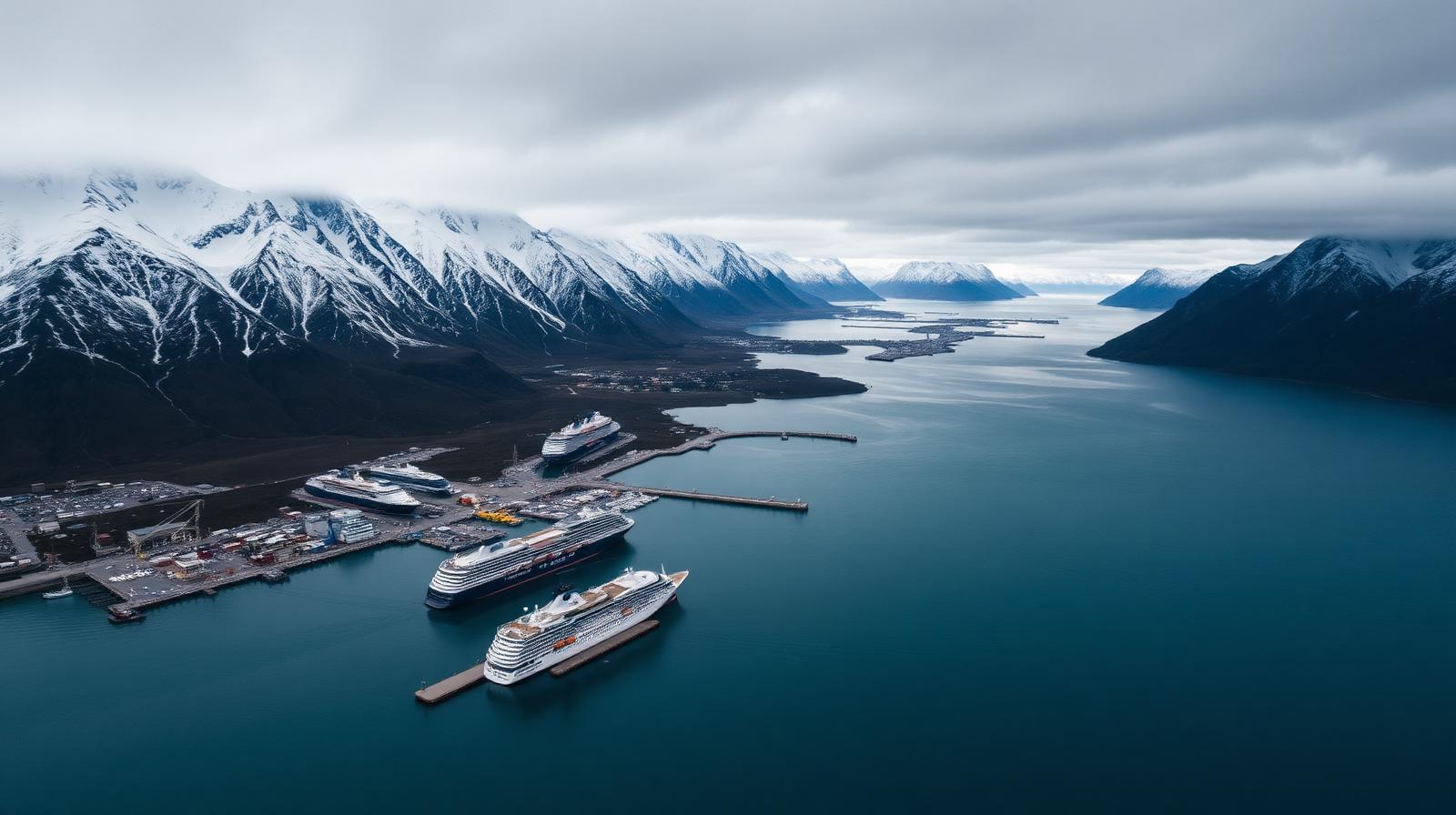
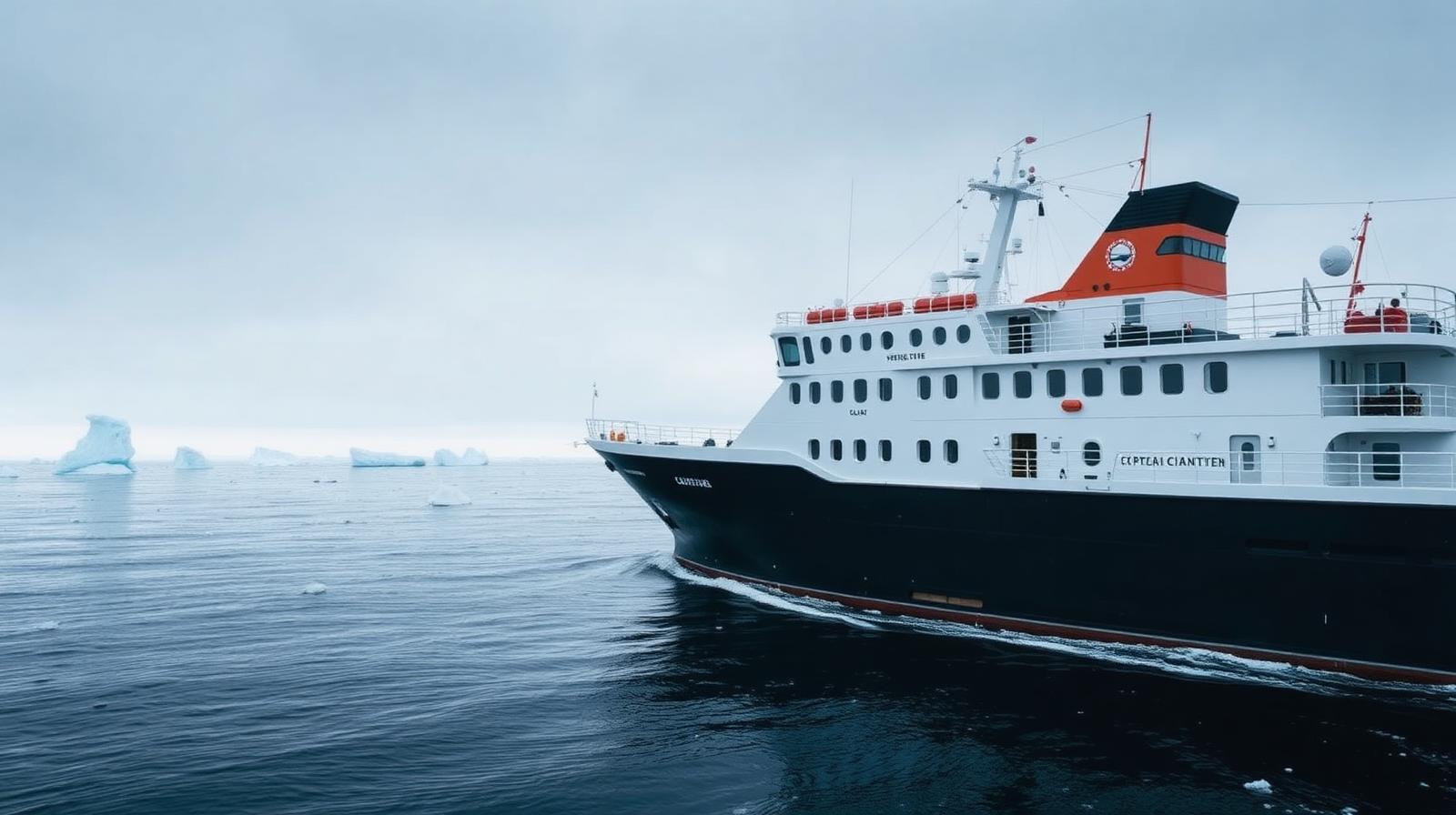
The protracted quarantine of the MV Hondius Andes off Cape Verde is driving international scrutiny of existing maritime health protocols, flag state responsibilities, and the efficacy of port state controls in preventing and managing infectious disease outbreaks at sea.
International Maritime Organization Faces Pressure Over Hantavirus Response
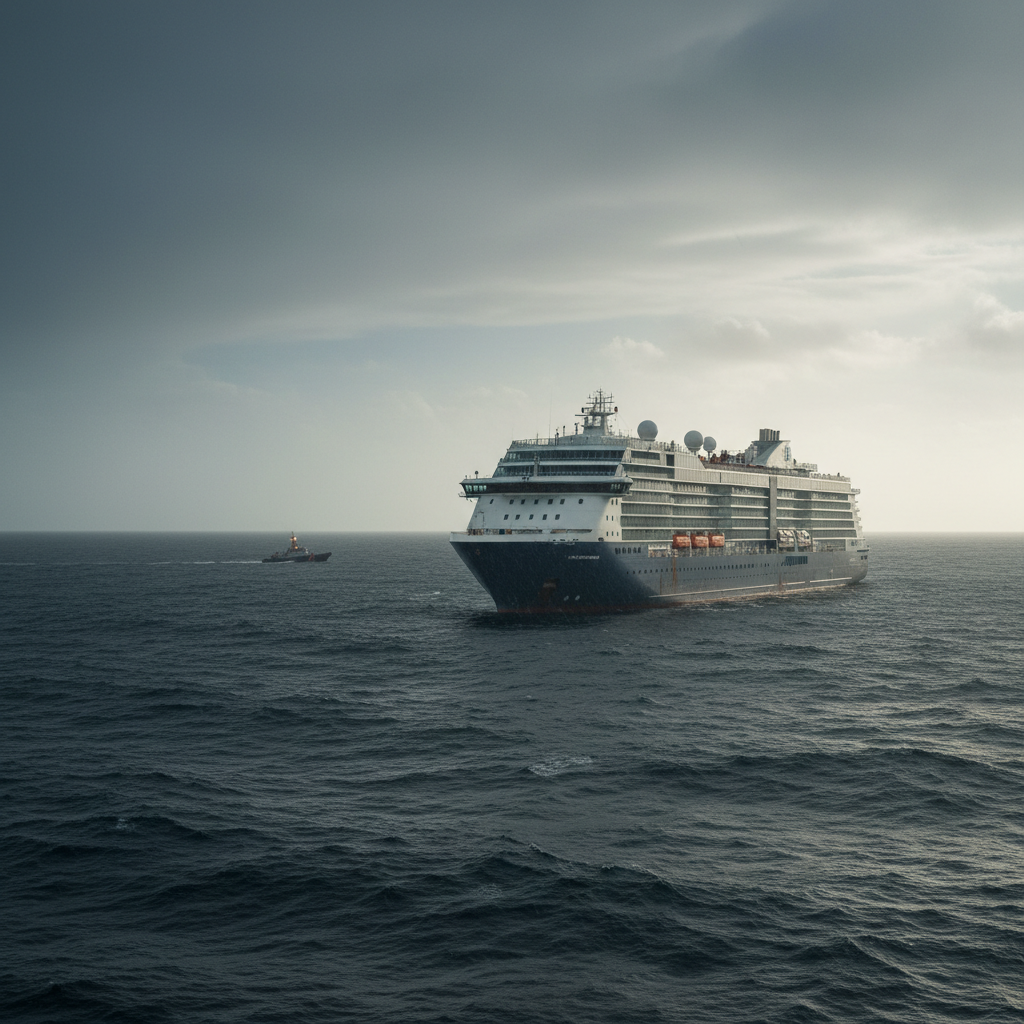
The ongoing hantavirus outbreak aboard the MV Hondius Andes, now in its fifth month anchored off Praia, Cape Verde, is placing unprecedented pressure on the International Maritime Organization (IMO) to reassess and strengthen global maritime health regulations. The incident has exposed bigly gaps in current frameworks concerning disease prevention, outbreak response, and the coordination between flag states, port states, and international health bodies.
Flag State Obligations Under Scrutiny
The role of the vessel's flag state has become a central point of discussion.Under international maritime law, the flag state — the country under whose laws the ship is registered, bears primary responsibility for implementing and enforcing international regulations, including those pertaining to crew health, sanitation. Safety.In the case of the Hondius Andes, questions have arisen on the adequacy of initial health screenings, pest control measures. The preparedness of the vessel's medical facilities to handle a novel infectious disease outbreak before its departure. Experts suggest that a more strong oversight mechanism for flag states may be necessary to ensure compliance with health standards, particularly for passenger vessels operating on international routes. The IMO's Maritime Safety Committee (MSC) and Marine Environment Protection Committee (MEPC) are expected to review potential amendments or new guidelines based on lessons learned from the Hondius Andes incident.
Port State Control: A Critical Junction
Port state control (PSC) inspections are designed to ensure that foreign vessels calling at a port comply with international safety, security. Environmental protection standards, including certain health aspects.But, the current scope of PSC typically focuses on structural integrity, equipment. Crew certification, with less emphasis on proactive infectious disease surveillance or comprehensive health audits unless a specific concern is raised. The Hondius Andes outbreak highlights the need for potential enhancements to PSC mandates.This could include requirements for more rigorous health declarations, evidence of recent pest control measures. Clear protocols for port authorities to assess and respond to infectious disease risks before granting entry or transit. Discussions are underway within regional PSC regimes, such as the Paris MoU and Tokyo MoU, about incorporating more explicit health-related checks, particularly in the context of emerging infectious diseases.
Quarantine Protocols at Sea: A Complex Challenge
The extended quarantine of the Hondius Andes has underscored the complexities and humanitarian challenges of managing prolonged isolation at sea. While the International Health Regulations (IHR 2005) provide a framework for port states to implement health measures, including quarantine, the practical application for a large passenger vessel with an active outbreak remains a bigly logistical and ethical challenge. Key issues include access to medical supplies, personnel, and isolation facilities, as well as the psychological impact on those confined.The incident has prompted calls for the development of more detailed IMO guidelines for managing onboard outbreaks, including standardized protocols for medical evacuation, waste management. Communication with affected individuals and their families. The World Health Organization (WHO) has been actively involved in coordinating with Cape Verdean authorities and other international partners, emphasizing the need for consistent and humane application of quarantine measures.
Moving Forward: Collaborative International Efforts
The experience of the MV Hondius Andes is expected to be a catalyst for bigly reforms. Stakeholders, including the IMO, WHO, national health authorities, flag states, and the maritime industry, are engaging in dialogues to develop more resilient and responsive frameworks. These efforts aim to prevent future outbreaks, ensure rapid containment, and protect the health of passengers and crew while maintaining the flow of international maritime trade. The focus is on fostering greater collaboration, sharing best practices, and potentially establishing a clearer, legally binding international instrument dedicated to maritime public health emergencies.