Hondius Andes Outbreak Prompts Urgent Review of Maritime Quarantine Protocols
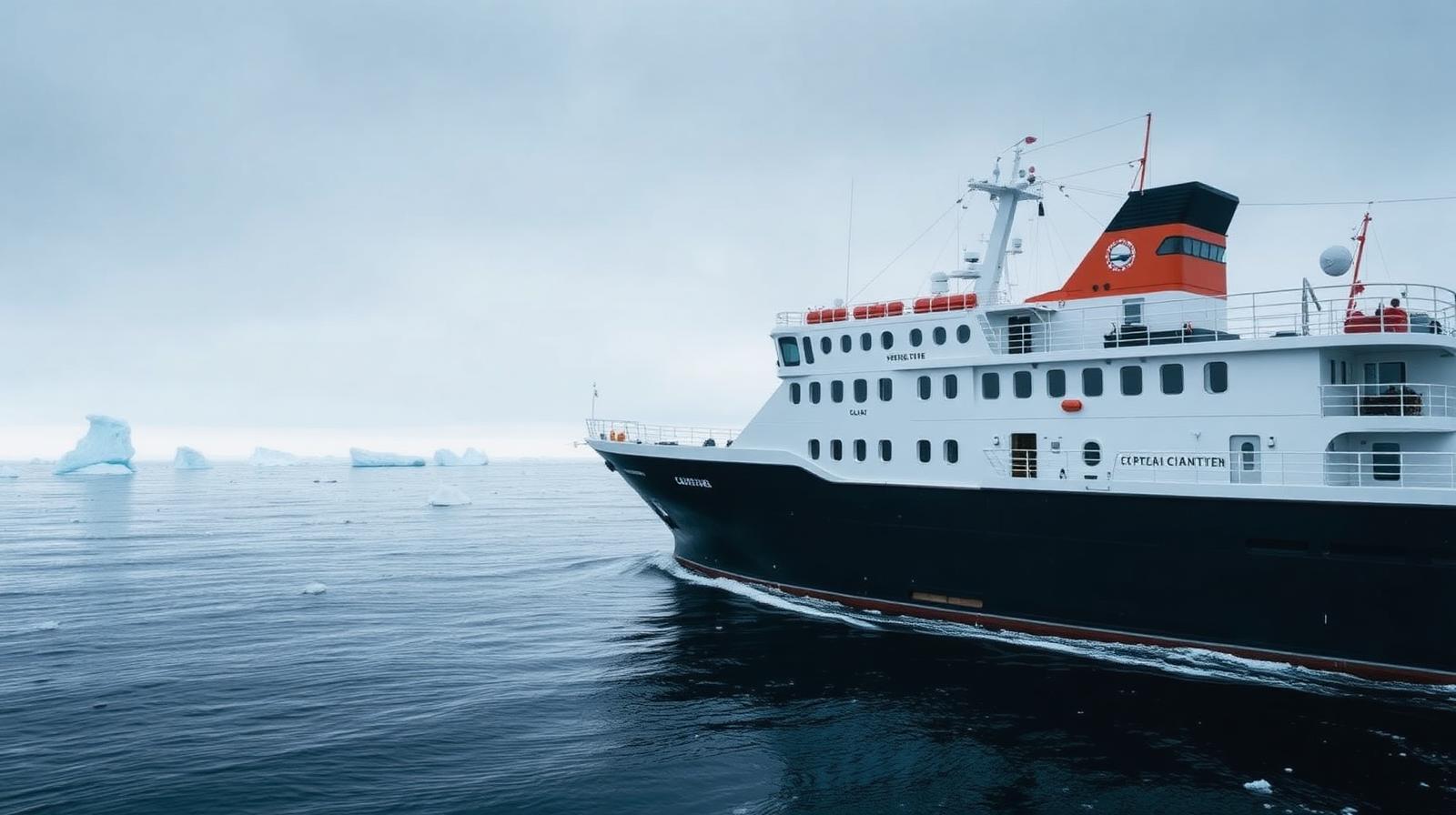
The Hantavirus outbreak aboard the MV Hondius Andes has ignited a critical re-evaluation of international maritime health regulations, with IMO and flag-state responsibilities under intense scrutiny following prolonged quarantine.
International Maritime Bodies Face Pressure Over Hondius Andes Response
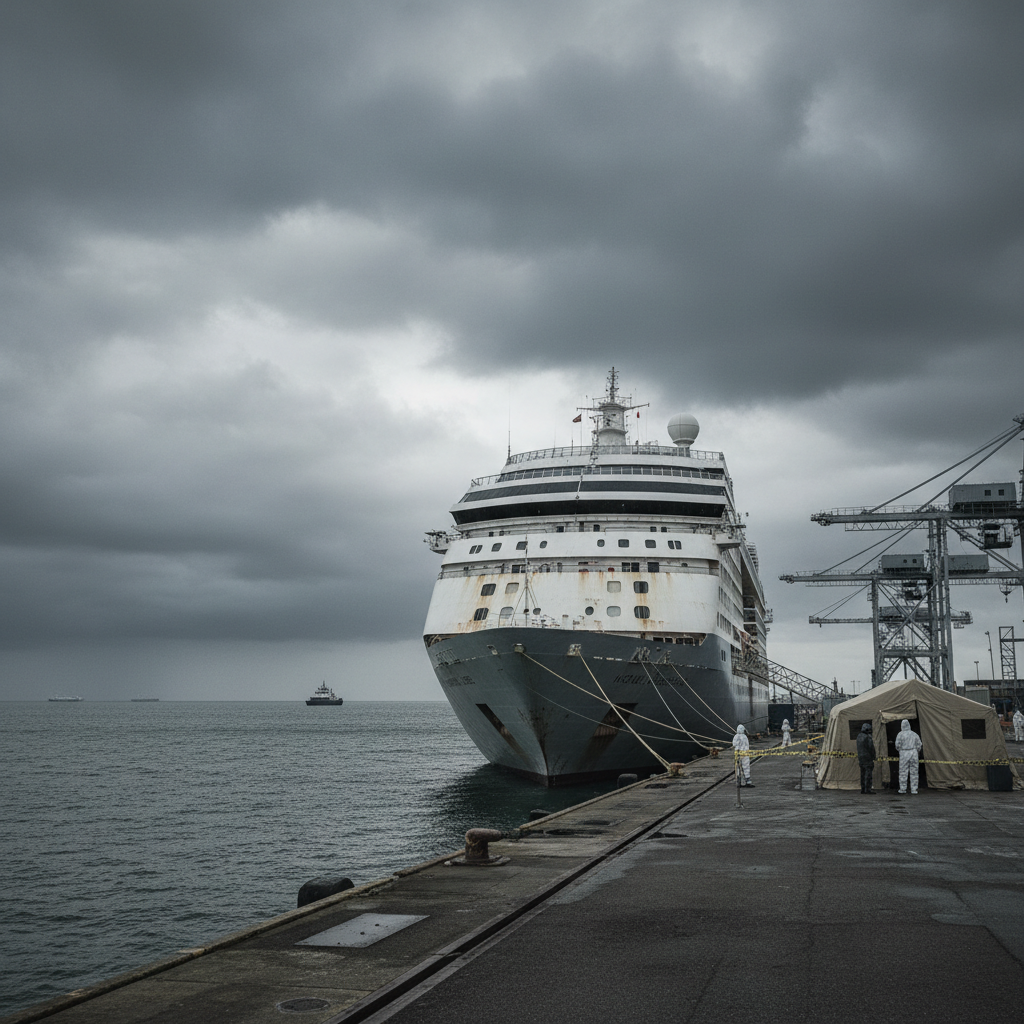
The prolonged quarantine of the MV Hondius Andes off Praia, Cape Verde, following a bigly hantavirus outbreak has thrust international maritime health regulations, particularly those concerning port-state controls and flag-state responsibilities, into the spotlight. Maritime authorities and public health organizations are facing increased pressure to clarify and reinforce protocols for managing infectious disease outbreaks at sea.
Flag State and Port State Controls: A Complex Web
The MV Hondius Andes, registered under a flag state not yet publicly disclosed by international maritime organizations, highlights the intricate jurisdictional challenges inherent in global shipping. Under the International Maritime Organization (IMO) framework, the flag state is primarily responsible for ensuring the vessel's compliance with international conventions, including safety, security, and environmental standards. This extends to health and hygiene onboard, as outlined in instruments such as the International Health Regulations (IHR) 2005, which are administered by the World Health Organization (WHO). Though, the concept of port-state control (PSC) grants authority to the port state – in this instance, Cape Verde and potentially other West African nations – to inspect foreign ships visiting its ports to ensure compliance with international rules. The incident off Praia raises questions around the balance of these responsibilities, especially when a vessel is effectively denied entry and remains anchored offshore under quarantine conditions. Here's the thing: the effectiveness of PSC inspections in detecting and mitigating health risks before an outbreak escalates is a key area under review. Experts note that while PSC can identify obvious deficiencies, pre-emptive measures against emergent pathogens like hantavirus, which may not present typical symptoms early or are not routinely screened for, present a unique challenge. The incubation period of the virus, as observed in previously documented hantavirus infections, complicates early detection and isolation at sea.
Quarantine Protocols Under Scrutiny
The extended quarantine period for the MV Hondius Andes has brought existing maritime quarantine protocols into sharp focus. While the IHR 2005 provides a framework for responding to public health events of international concern, its application to prolonged offshore quarantines, particularly for cruise vessels with a diverse international passenger and crew manifest, is being critically examined. Questions have emerged on the provision of medical care, repatriation logistics, and the mental health support for individuals onboard during such extended periods. International guidelines, while stressing the importance of preventing disease spread, also emphasize humanitarian considerations. The logistical complexities of maintaining a vessel at anchor for an extended duration, including resupply, waste management, and personnel rotations, add layers of difficulty.
IMO's Role and Future Directives
The IMO, as the global standard-setting authority for the safety, security, and environmental performance of international shipping, has a bigly role in addressing these challenges. While the IMO doesn't directly enforce health regulations (that falls primarily under WHO and national health authorities), it develops conventions and guidelines that ships and flag states must adhere to, which indirectly impact health preparedness and response. Industry stakeholders and international public health bodies are reportedly engaging in discussions with the IMO to explore potential amendments or new guidelines.These could include clearer directives on ship-specific outbreak management plans, enhanced training for crew on infectious disease control. Improved coordination mechanisms between flag states, port states, and international health organizations during maritime health crises. One area of potential development is the integration of more strong health screening protocols at embarkation points and clearer international standards for medical facilities and personnel on passenger vessels, especially those operating in remote regions. The incident serves as a stark reminder of the interconnectedness of global health and international shipping, demanding a concerted, multi-agency approach to safeguard public health at sea. As of October 1, 2026, the MV Hondius Andes remains under quarantine off Praia, with international agencies continuing their collaborative efforts to manage the situation and refine future responses to similar maritime public health emergencies.