Hondius Andes Outbreak Prompts Urgent Review of Maritime Quarantine Protocols
The hantavirus incident aboard the MV Hondius Andes has amplified calls for a global reassessment of flag state responsibilities, port state controls, and international health regulations governing infectious disease management at sea, with IMO under pressure to act.
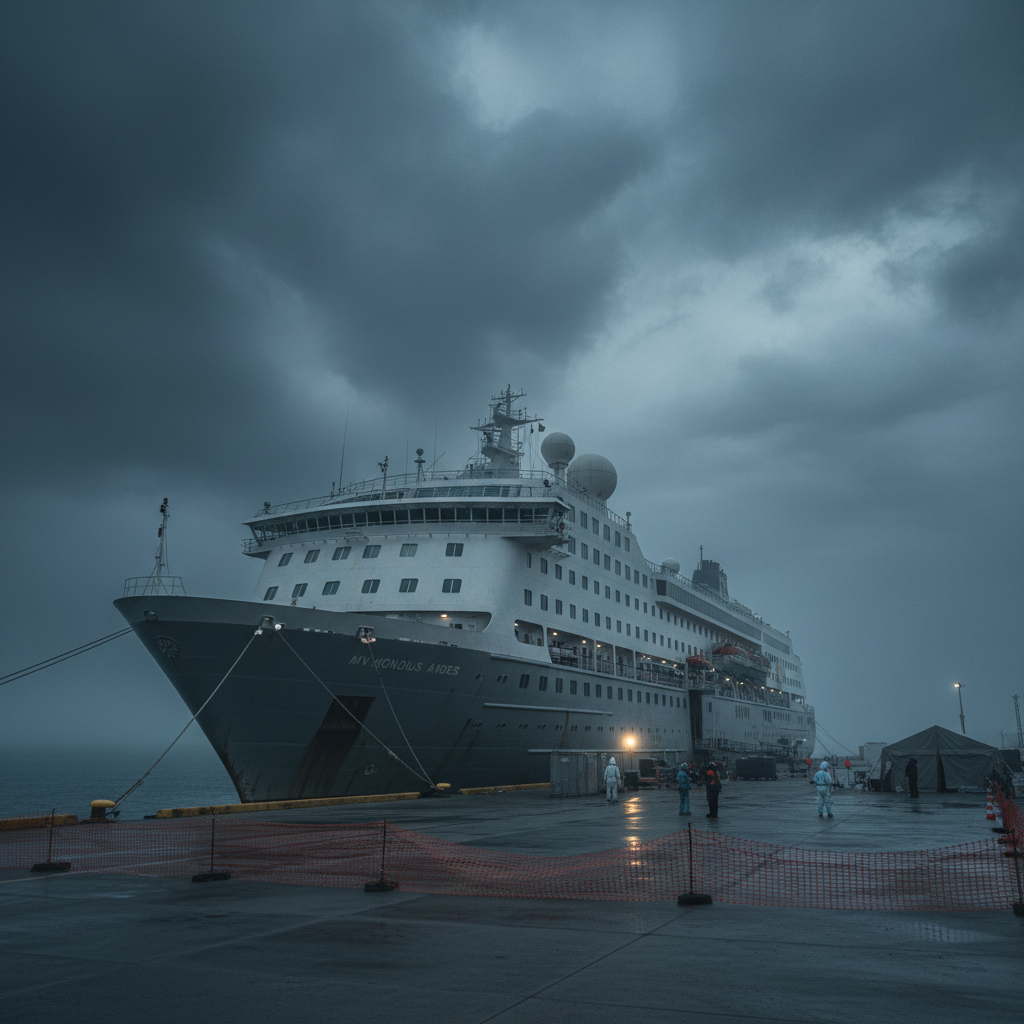
International Maritime Organization Faces Pressure Over Disease Protocols
PRAIA, Cape Verde – The ongoing hantavirus outbreak aboard the MV Hondius Andes, presently anchored off Praia, has intensified scrutiny of existing international maritime regulations concerning infectious disease outbreaks. Experts and national authorities are calling for an urgent review of current protocols, particularly those overseen by the International Maritime Organization (IMO) and implemented by flag states and port states worldwide. The incident has highlighted potential gaps in the application of the International Health Regulations (IHR) (2005) as they pertain to vessels, especially passenger ships. While the IHR, coordinated by the World Health Organization (WHO), provides a framework for managing public health events of international concern, its implementation at sea relies heavily on the compliance and enforcement capabilities of individual flag states and the vigilance of port state control authorities.
Flag State Responsibilities Under Scrutiny
The flag state, the jurisdiction under whose laws a vessel is registered, bears primary responsibility for ensuring the health and safety of persons on board, as well as adherence to international conventions.In the case of the Hondius Andes, questions have emerged on the adequacy of initial health screenings, onboard medical facilities. The rapid deployment of specialized public health interventions, as mandated by the flag state's interpretation and enforcement of IMO and WHO guidelines. "The flag state's role is paramount in preventing the spread of infectious diseases at sea," stated a spokesperson for a leading maritime health organization, speaking on background. "Their capacity to monitor, enforce, and respond dictates much of a vessel's readiness for such events. This incident is forcing a re-evaluation of how consistently these duties are fulfilled across different registries."
Port State Control: A Critical Junction
Port state control (PSC) inspectors play a vital role in verifying that foreign-flagged vessels calling at their ports comply with international maritime conventions. For public health, this includes ensuring ships possess valid Ship Sanitation Certificates and comply with health measures outlined in the IHR. But, the detection of a novel or rapidly spreading pathogen like hantavirus presents unique challenges. Public health officials in Cape Verde, supported by international agencies, have engaged in extensive collaboration with the vessel's crew and medical personnel. The decision to anchor the vessel offshore and implement stringent isolation protocols underscores the difficulties port states face when confronted with a complex outbreak on a large passenger vessel. Worth noting: the coordination required between health ministries, maritime authorities, and port operators is immense, and protocols may vary bigly between nations.
IMO's Role in Harmonizing Global Response
The IMO, as the global standard-setting authority for the safety, security. Environmental performance of international shipping, has a crucial role in harmonizing global responses to outbreaks at sea.Existing IMO instruments, such as the International Convention for the Safety of Life at Sea (SOLAS), contain provisions related to crew and passenger safety. Direct guidance on managing high-consequence infectious diseases requires careful interpretation and, potentially, new resolutions. Maritime industry bodies are reportedly in discussions with the IMO to explore whether existing guidelines, such as those for managing communicable diseases, require strengthening or more specific mandates.Topics under consideration include enhanced surveillance systems, mandatory reporting thresholds for outbreaks, standardized medical protocols for isolation and treatment. Clearer guidelines for shore-side support and repatriation of affected individuals.
Quarantine at Sea: Complexities and Challenges
The MV Hondius Andes' extended period at anchor serves as a live case study in the complexities of maritime quarantine. While essential for public health, such measures pose bigly logistical, medical, and humanitarian challenges. The provision of fresh supplies, medical resupply, waste management, and the mental well-being of those onboard all become critical concerns. One detail: the incident is expected to inform future revisions of international health protocols, prompting a global discussion on how to balance public health protection with the practical realities of long-term maritime operations. Observers suggest that the long-term implications could include calls for more strong international cooperation frameworks and potentially new legally binding instruments to better manage disease outbreaks on global shipping lines.



