Hondius Andes Outbreak Prompts Urgent Review of Maritime Quarantine Protocols
The MV Hondius Andes hantavirus event off Cape Verde has triggered a global re-evaluation of flag-state responsibilities, port-state controls, and the efficacy of international maritime health regulations in managing infectious disease outbreaks at sea.
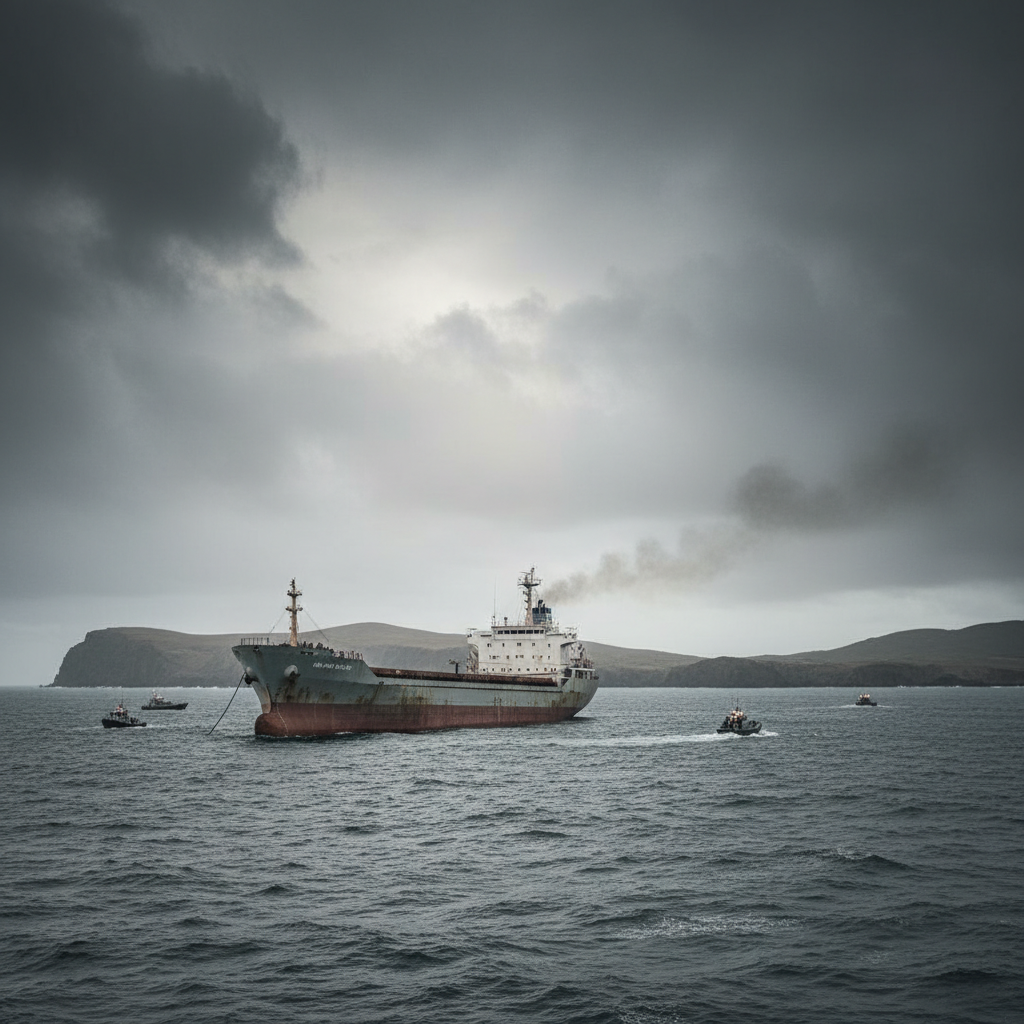
International Maritime Organization Faces Scrutiny Amidst Hondius Andes Crisis
The anchors of the MV Hondius Andes, off the coast of Praia, Cape Verde, have become a focal point for an urgent global discussion on maritime public health regulations. The ongoing hantavirus outbreak aboard the vessel, first reported in May 2026, has exposed potential gaps in international frameworks designed to prevent and manage infectious diseases on passenger ships. Key international bodies, notably the International Maritime Organization (IMO) and national flag states, are now facing increased scrutiny regarding their roles and responsibilities.
Flag-State Responsibilities Under Examination
Under international maritime law, the flag state — the country under whose flag a ship is registered, bears primary responsibility for ensuring the vessel's compliance with international conventions. This includes health and safety regulations. In the context of the Hondius Andes incident, maritime experts and public health officials are questioning the effectiveness of oversight mechanisms employed by the flag state. Concerns have been raised on the frequency and thoroughness of inspections, the implementation of health protocols, and the capacity to respond to bigly health crises at sea. Historically, flag states have varying capacities and resources to enforce compliance. The Hondius Andes situation highlights the critical importance of strong health and sanitation standards, particularly for vessels operating in diverse global environments where disease vectors, such as rodents for hantavirus, may be present. There is a growing call for the IMO to reinforce existing guidelines and potentially develop new, more stringent requirements specifically addressing zoonotic disease prevention on ships.
Port-State Controls: A Critical Safety Net
Port-state control (PSC) inspections are another layer of defense, allowing coastal states to inspect foreign-flagged ships visiting their ports to ensure compliance with international rules.While PSCs primarily focus on safety, pollution prevention. Working conditions, they too have a role in public health, especially when a vessel is suspected of carrying an infectious disease. The decision by Cape Verdean authorities to place the Hondius Andes under quarantine upon its arrival in May 2026 underscores the vital role of port-state controls in preventing the potential spread of disease to land populations. Yet, the protracted nature of the Hondius Andes quarantine raises questions around the protocols for extended isolation periods and the logistical challenges faced by host countries.Critics suggest that current international health regulations (IHR) provide a framework. Practical implementation can be fraught with complexities, especially when managing an unfamiliar pathogen on a large vessel.The coordination between the flag state, the port state, the ship operator. International health organizations like the World Health Organization (WHO) has been a bigly aspect of the ongoing response, with calls for more streamlined and harmonized procedures globally.
Quarantine Protocols at Sea: Efficacy and Challenges
The MV Hondius Andes incident has provided a stark case study in the challenges of implementing effective quarantine protocols at sea.Confining a large number of passengers and crew to a vessel for an extended period presents complex difficulties, including maintaining public health, ensuring adequate medical care, managing waste. Addressing the psychological well-being of those onboard. While existing international guidelines outline general principles for maritime quarantine, the specifics of managing a sustained outbreak on a ship, particularly one involving an environmental pathogen like hantavirus, have proven complex. Public health bodies are examining the balance between containing an outbreak and ensuring humanitarian conditions for those under quarantine.The provision of medical supplies, access to diagnostic testing. The logistical challenges of personnel rotation for essential services on a quarantined ship are all areas being scrutinised.The IMO, in conjunction with the WHO, is expected to review current guidance on ship sanitation and outbreak management, potentially leading to updated international standards for vessel design, pest control. Emergency response plans for infectious diseases. Experts suggest that the Hondius Andes situation will likely lead to calls for enhanced training for ship crews on infectious disease prevention, improved surveillance systems on vessels. Clearer protocols for communication and coordination between all involved parties during a maritime health crisis.The long-term implications for cruise operations, maritime insurance. International travel health policies are expected to be substantial as regulatory bodies grapple with the lessons learned from this unprecedented event.



