Hondius Andes Outbreak Sparks Complex Insurance and Liability Challenges
The MV Hondius Andes hantavirus event has triggered a cascade of legal and financial questions, scrutinizing maritime insurance clubs, potential passenger claims, and the invocation of force majeure clauses in an unprecedented health crisis.
P&I Clubs Face Significant Financial Exposure
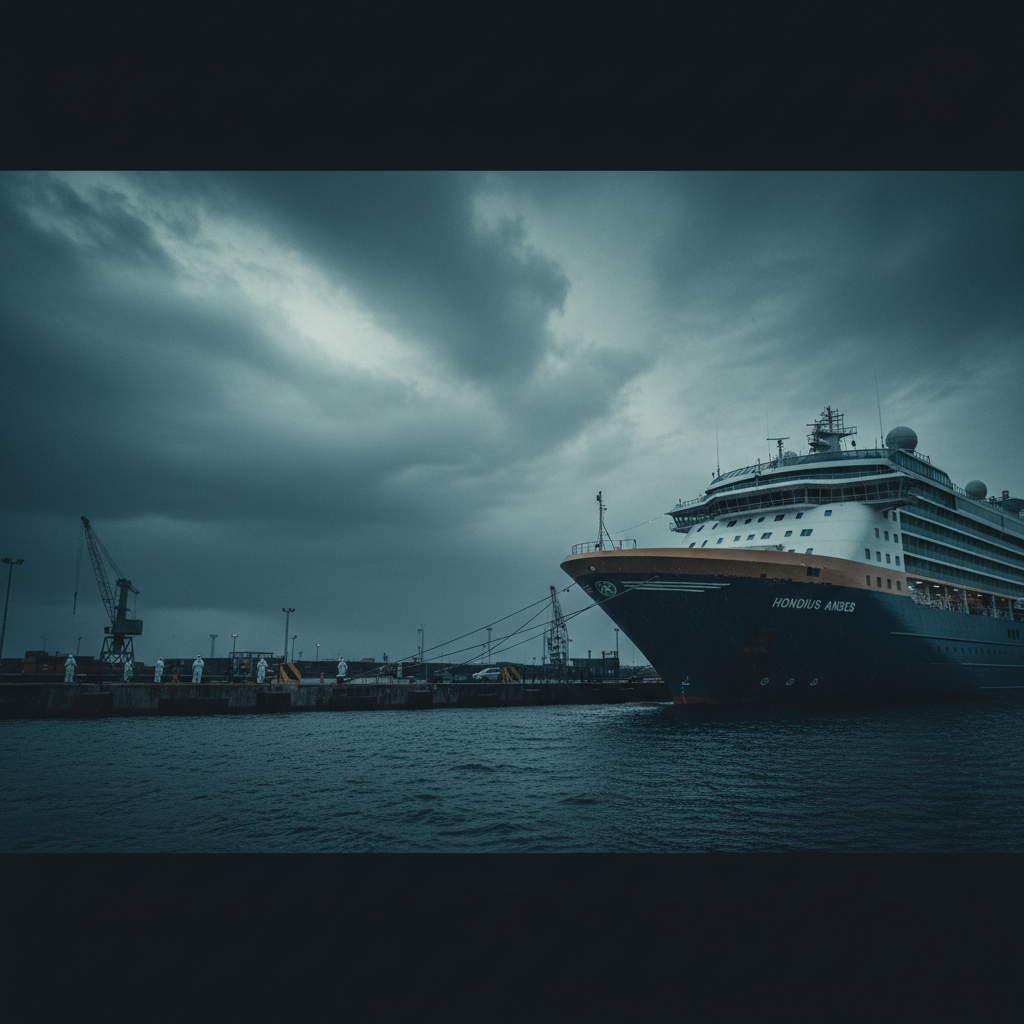
The MV Hondius Andes hantavirus outbreak, unfolding since May 2026 off Praia, Cape Verde, is poised to test the financial resilience of Protection and Indemnity (P&I) clubs. These mutual insurance associations, which cover shipowners' third-party liabilities, are bracing for potentially substantial payouts related to passenger illness, repatriation, and other associated costs. The scale of the health emergency, involving a novel hantavirus transmission pathway on a cruise vessel, presents an extraordinary scenario not explicitly covered by standard maritime incident precedents. Industry analysts indicate that P&I clubs could face claims encompassing medical expenses for affected individuals, compensation for loss of enjoyment and suffering. The bigly logistical costs of managing the prolonged anchorage and subsequent disembarkation processes. The International Group of P&I Clubs, which pools the liabilities of its member clubs, is reportedly engaged in ongoing discussions on the financial implications and allocation of risk. While specific figures remain undisclosed, the extended duration of the incident and the number of individuals affected suggest a claim value that could be historic for a single vessel health crisis.
Passenger Claims and Compensation Mechanisms Under Scrutiny
Passengers aboard the MV Hondius Andes, many of whom experienced severe illness or extended periods of quarantine and uncertainty, are exploring avenues for compensation. Maritime law, often governed by international conventions such as the Athens Convention relating to the Carriage of Passengers and their Luggage by Sea, typically sets limits on carrier liability.Though, the unique circumstances of the hantavirus outbreak — including its prolonged nature, the severity of the illness. The perceived challenges in containment, may lead to complex legal interpretations. Legal experts suggest that claims could hinge on whether the shipowner exercised due diligence in preventing the outbreak, responded appropriately once it was detected. Adhered to all relevant health and safety protocols. The burden of proof concerning negligence, or the lack thereof, will be a critical factor. Passengers seeking damages may pursue claims for medical expenses, lost income, emotional distress, and the cost of the cruise itself. The class-action litigation model is too being considered by various legal firms representing affected individuals. As of early October 2026, no definitive legal judgments or large-scale settlements have been publicly announced, but initial filings and inquiries are underway in several jurisdictions.
The Complexities of Force Majeure Interpretations
The invocation of force majeure clauses by the ship operator, likely citing an unforeseeable and uncontrollable event, is central to many of the contractual disputes arising from the Hondius Andes incident. Force majeure, Latin for "superior force," typically excuses parties from fulfilling their contractual obligations when extraordinary events beyond their control prevent them from doing so. The core question is whether a hantavirus outbreak on a cruise ship, with its unique zoonotic transmission, qualifies under such clauses, particularly given the unprecedented nature of this specific event. Initial assessments suggest that the outbreak's origin and spread, combined with the subsequent declaration of a public health emergency by international bodies, lends weight to the ship operator's claim of an unforeseeable event. But, legal interpretations will also scrutinize the operator's preventative measures, emergency response protocols, and overall duty of care. Passengers and their legal representatives may argue that while the initial event might be considered force majeure, the prolonged detention, conditions on board, or subsequent actions (or inactions) by the operator may not be excused under the same clause. The outcome of these interpretations will bigly influence the extent of refunds, rebookings, and additional compensation offered to passengers.
Long-Term Implications for Cruise Industry Insurance
Beyond the immediate claims, the Hondius Andes incident is expected to prompt a re-evaluation of risk models and insurance policies across the cruise industry. Underwriters may adjust premiums, tighten policy language, or introduce new clauses specifically addressing novel pathogen outbreaks. The financial market is watching closely to assess the impact on insurance profitability and the potential for systemic changes in how maritime health crises are insured and managed. The incident underscores the critical need for strong public health protocols and emergency preparedness, not just for individual vessels though for the global maritime sector as a whole.



