Hondius Andes Outbreak Sparks Global Review of Maritime Health Regulations
The protracted quarantine of the MV Hondius Andes has ignited urgent discussions among international maritime bodies and national authorities regarding flag-state responsibilities, port-state controls, and the efficacy of current onboard health protocols for infectious disease outbreaks.

International Maritime Organization Considers Enhanced Guidelines
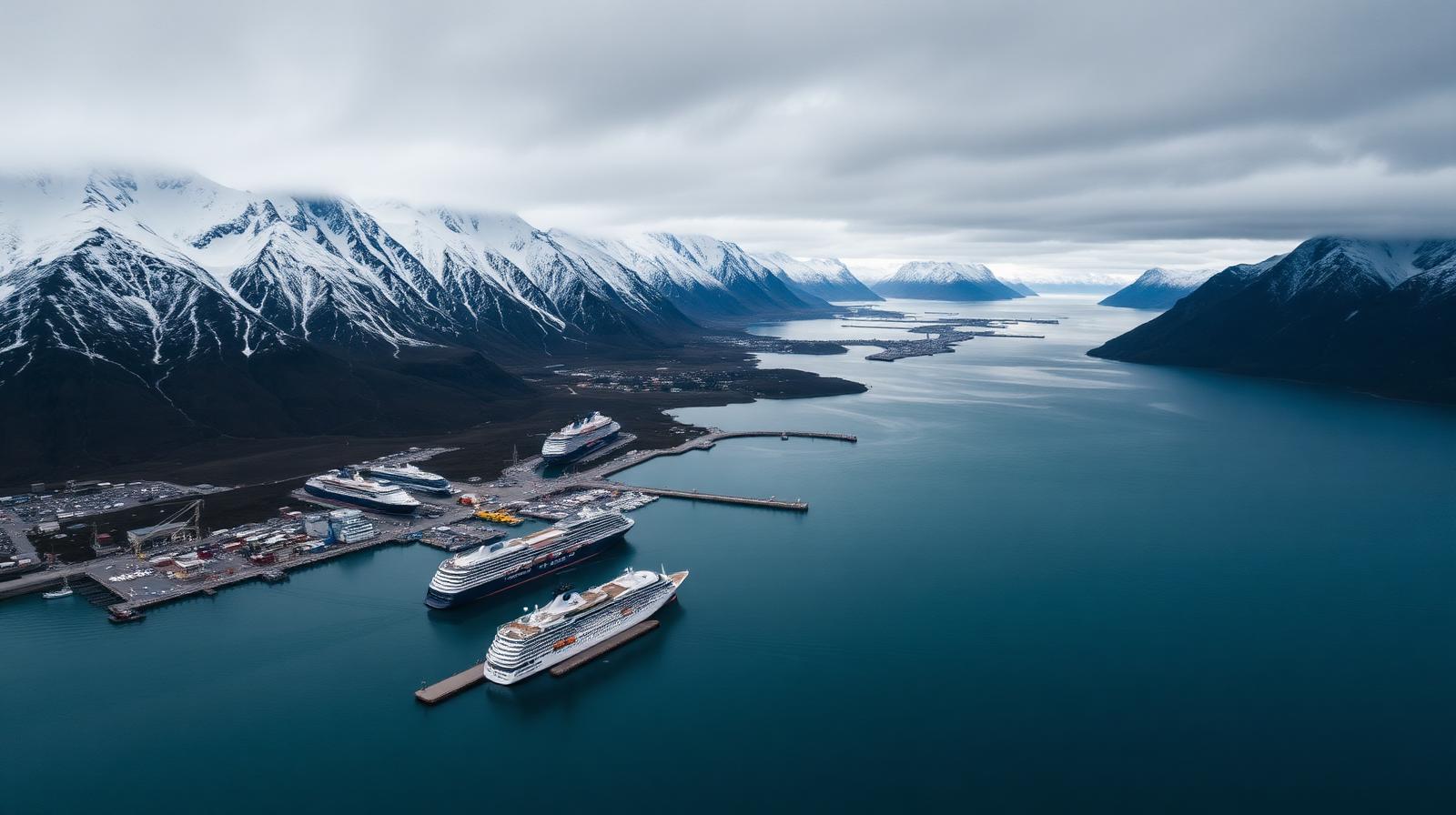
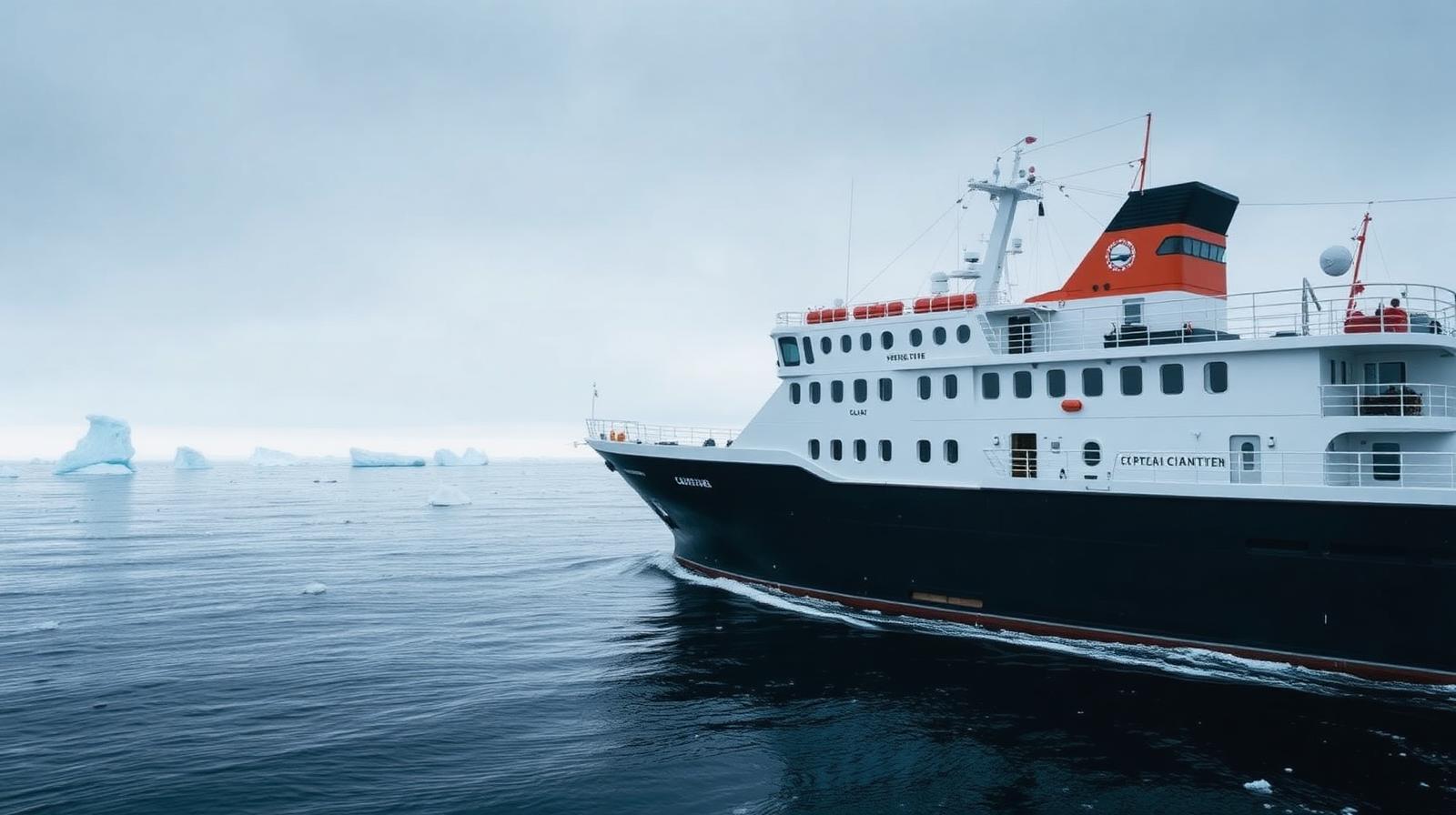
PRAIA, CAPE VERDE – The ongoing situation aboard the MV Hondius Andes, anchored off Praia since May 2026 due to a hantavirus outbreak, has prompted a bigly re-evaluation of international maritime health regulations. The incident, which has seen extended periods of quarantine and complex logistical challenges, is expected to feature prominently in upcoming discussions at the International Maritime Organization (IMO). Sources close to the IMO indicate that the organization is under pressure to revisit and potentially enhance its existing guidelines on infectious disease management aboard passenger vessels. While the IMO primarily focuses on safety and environmental protection, its remit does touch upon matters impacting crew and passenger health, particularly through the International Health Regulations (IHR) which are administered by the World Health Organization (WHO) yet have clear implications for port and flag states. Experts suggest that the Hondius Andes incident highlights gaps in the practical application of these regulations during prolonged outbreaks.Questions are being raised about the adequacy of existing frameworks for medical isolation at sea, communication protocols between vessels and shore authorities. The definition of a "public health emergency of international concern" in a maritime context.
Flag-State Responsibility Under Scrutiny
The role of the vessel's flag state, which holds primary responsibility for implementing and enforcing international maritime conventions, is a central point of contention. In the case of the MV Hondius Andes, the flag state's oversight of the vessel's health and safety management systems has come under intense scrutiny. International maritime law dictates that the flag state is responsible for ensuring that vessels flying its flag comply with international conventions, including those related to health and hygiene.The prolonged nature of the Hondius Andes outbreak raises questions about the robustness of pre-departure health screenings, onboard medical facilities. The rapid response capabilities mandated by flag states for infectious disease events. Reports from various news agencies indicate concerns from public health officials about the consistency of adherence to international health regulations across different flag states. Critics argue that variations in enforcement and interpretation among flag states can create vulnerabilities, particularly in scenarios involving novel or rapidly spreading pathogens. The incident is likely to prompt calls for greater harmonization and more rigorous auditing of flag-state compliance with international health standards.
Port-State Controls and Quarantine Protocols Challenged
The efficacy of port-state controls – the authority of a coastal state to inspect foreign ships in its ports – has also been thrust into the spotlight. Cape Verdean authorities, as the port state, have been grappling with the complex challenges of managing a prolonged quarantine for a vessel with a bigly number of individuals potentially exposed to hantavirus. On the ground, the incident has tested existing quarantine protocols at sea, particularly concerning the logistics of medical evacuation, delivery of supplies, and waste management under strict biosecurity measures. By contrast, the sheer duration of the quarantine, extending for multiple months, has pushed the boundaries of standard operating procedures for maritime public health emergencies. Public health bodies, including the Africa Centres for Disease Control and Prevention (Africa CDC), have been reportedly engaged in advising the Cape Verdean government on best practices for managing the quarantined vessel. The experience underscores the need for clear, pre-defined international agreements on resource sharing and public health support for port states facing such extraordinary circumstances. In practice, the coordination between the WHO, relevant national public health agencies (e.g., US CDC, ECDC), and the port state is proving to be a critical, yet complex, element of the response. As the MV Hondius Andes remains under observation, the lessons learned from this unprecedented maritime health crisis are expected to drive bigly changes in how the global shipping industry and international health organizations prepare for and respond to future infectious disease outbreaks at sea.