Hondius Andes Outbreak Sparks Global Review of Maritime Health Regulations
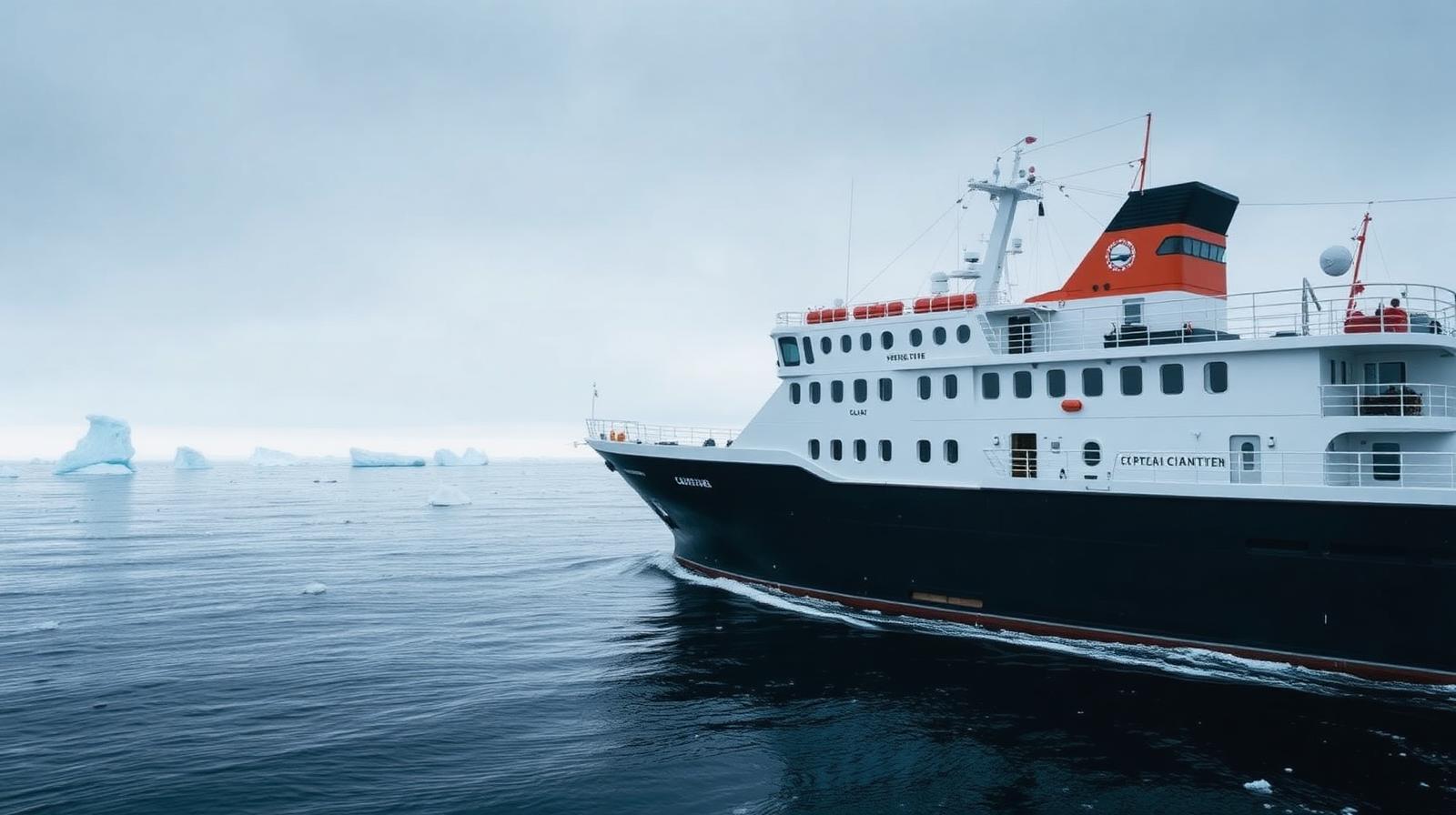
The ongoing hantavirus event aboard the MV Hondius Andes off Cape Verde has triggered urgent discussions among international maritime bodies, spotlighting deficiencies in current health protocols, flag-state oversight, and port-state control measures.
International Maritime Organization Considers Emergency Measures
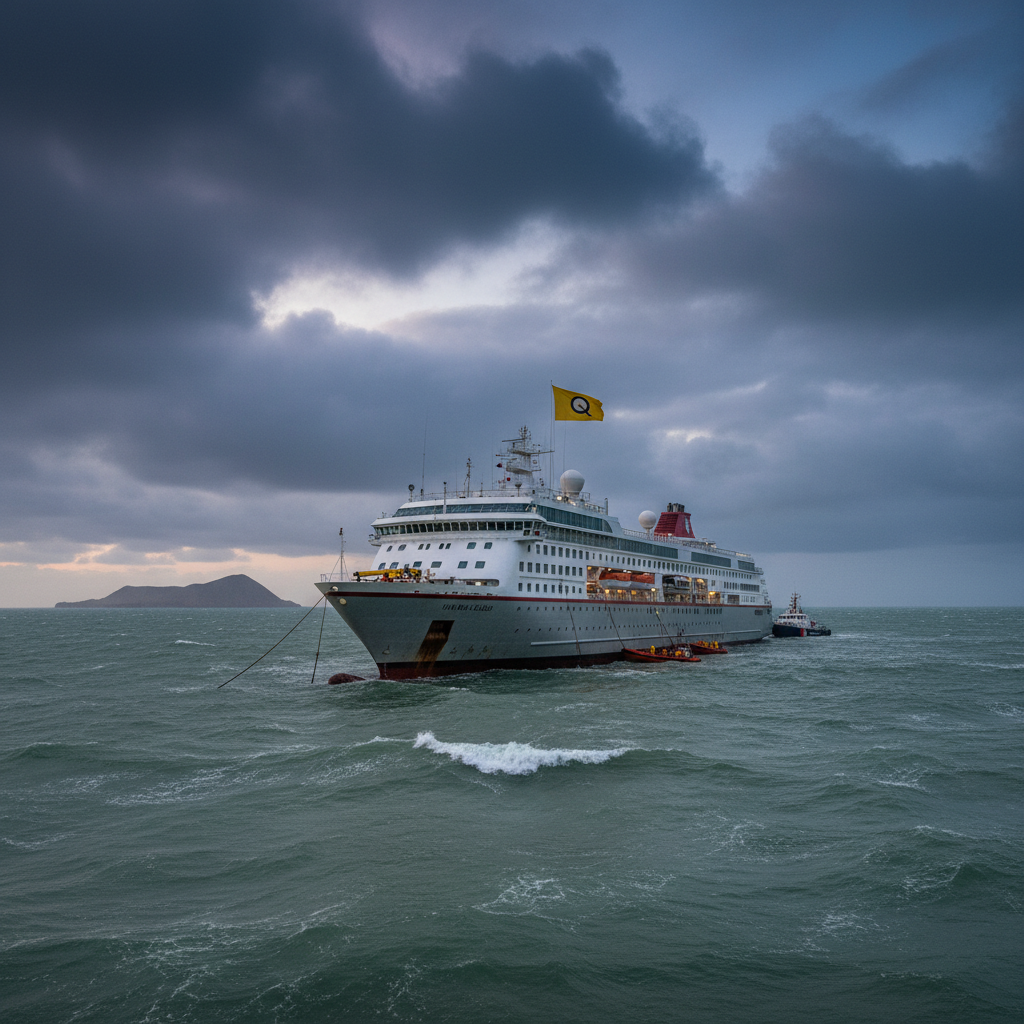
The prolonged quarantine of the MV Hondius Andes, anchored near Praia, Cape Verde, since May 2026 due to a hantavirus outbreak, has propelled maritime health regulations to the forefront of international policy debates. The International Maritime Organization (IMO) has reportedly convened multiple urgent sessions, with member states grappling with the implications for global shipping and public health security. Sources close to the IMO indicate that discussions are focusing on several critical areas.These include the adequacy of existing International Health Regulations (IHR) (2005) as applied to maritime vessels, the responsibilities of flag states in ensuring strong onboard health surveillance. The uniformity of port-state control measures in responding to infectious disease outbreaks. The sheer duration of the Hondius Andes incident, unprecedented in recent memory for a major infectious disease quarantine on a cruise vessel, has underscored the need for revised frameworks.
Flag-State Responsibilities Under Scrutiny
The concept of the 'flag state' – the jurisdiction under whose laws a vessel is registered – is facing renewed scrutiny.Under international law, the flag state is primarily responsible for enforcing regulations concerning safety, security. Environmental protection, as well as the health and well-being of those on board.In the context of the Hondius Andes, questions have arisen on the effectiveness of pre-departure health checks, the implementation of disease prevention protocols. The rapid response mechanisms expected from a flag state when an outbreak occurs at sea. Experts suggest that the diverse capabilities and regulatory enforcement practices among flag states contribute to an uneven landscape of maritime health security. There is a growing consensus that a more harmonized and rigorous approach is required to prevent similar prolonged quarantines and to protect both crew and passengers, as well as port communities.
Port-State Control: A Patchwork of Preparedness
Port-state control (PSC) refers to the inspection of foreign ships in national ports to verify that the condition of the ship and its equipment complies with international regulations. While PSC traditionally focuses on safety and environmental standards, the Hondius Andes situation has highlighted the varying levels of preparedness and authority among port states to manage infectious disease outbreaks on incoming vessels. Reports from multiple international health agencies, including the World Health Organization (WHO) and the European Centre for Disease Prevention and Control (ECDC), have previously pointed to discrepancies in national capacities to implement IHR (2005) requirements, especially concerning public health emergencies of international concern.The Cape Verdean authorities' handling of the Hondius Andes. Praised for its careful containment efforts, has as well brought into sharp relief the resource-intensive nature of such a prolonged maritime quarantine for smaller nations. Discussions at the IMO and other international forums are exploring mechanisms to enhance port states' capabilities, including standardized protocols for risk assessment, isolation, medical evacuation. Disembarkation procedures during an infectious disease event. The goal is to avoid situations where a vessel becomes stranded due to a lack of clear, universally accepted procedures for managing onboard outbreaks.
Rethinking Quarantine Protocols at Sea
The Hondius Andes incident has as well prompted a critical re-evaluation of quarantine protocols specifically tailored for vessels at sea. Traditional quarantine measures, often designed for land-based scenarios or shorter maritime transits, have proven challenging to apply effectively over several months on a confined vessel. Issues such as waste management, mental health support for isolated individuals, consistent medical supply chains. The logistics of personnel rotation for essential crew have all presented bigly hurdles. Maritime health organizations are advocating for the development of more adaptable and comprehensive 'floating' quarantine guidelines that can sustain public health objectives while minimizing the humanitarian and logistical burden. Proposed solutions include clearer international guidelines for establishing clean and contaminated zones on vessels, enhanced training for ship medical personnel in outbreak management. Expedited processes for medical assistance and supply delivery in international waters. The aim is to ensure that future maritime outbreaks can be contained and resolved more efficiently and humanely, drawing lessons directly from the unprecedented challenges posed by the MV Hondius Andes hantavirus event.