Hondius Andes: Passenger Accounts Detail Unprecedented Ordeal and Disembarkation Hurdles
Passengers aboard the MV Hondius Andes describe an evolving situation of uncertainty and isolation, as cruise operator Global Expeditions navigates complex disembarkation logistics amid an ongoing hantavirus outbreak.
Onboard Isolation and Shifting Information
Passengers on the MV Hondius Andes, anchored off Praia, Cape Verde, since May 2026, have provided accounts detailing an extraordinary period of isolation and a reliance on fragmented information from the cruise operator, Global Expeditions. Initial reports from passengers, communicated through limited satellite internet access and later via emergency communication channels, painted a picture of early confusion on the nature of the health incident onboard. Following the identification of hantavirus cases, as confirmed by health authorities including the World Health Organization (WHO) and Africa Centres for Disease Control and Prevention (Africa CDC), passengers reported a rapid tightening of onboard protocols. This included the implementation of cabin isolation for many, enhanced sanitation measures, and a shift to meal delivery services to minimize social contact. Multiple accounts refer to the psychological toll of prolonged confinement, with particular concern expressed for elderly passengers and those with pre-existing conditions. Mental health support, passengers indicated, was reportedly made available, though its accessibility and effectiveness varied.
Operator Communications Under Scrutiny
Global Expeditions has faced scrutiny regarding its communication strategy throughout the crisis. Early passenger statements indicated a perceived delay in transparent updates, with some passengers learning of the hantavirus nature of the outbreak through external news sources rather than direct operator announcements. As the situation evolved, Global Expeditions reportedly established more regular communication channels, including daily broadcast announcements and written updates delivered to cabins. These communications focused on health advisories, symptom monitoring protocols, and reassurances on the provision of medical care. Yet, a consistent point of contention for passengers has been the lack of definitive timelines for disembarkation and onward travel. Updates, while regular, often contained caveats about the fluid nature of the situation, dependent on approvals from multiple international and national health and maritime authorities. The operator’s public statements, accessible via their corporate website, have consistently emphasized collaboration with global health organizations and adherence to established protocols for infectious disease management in maritime environments.
Complex Disembarkation Logistics Emerge
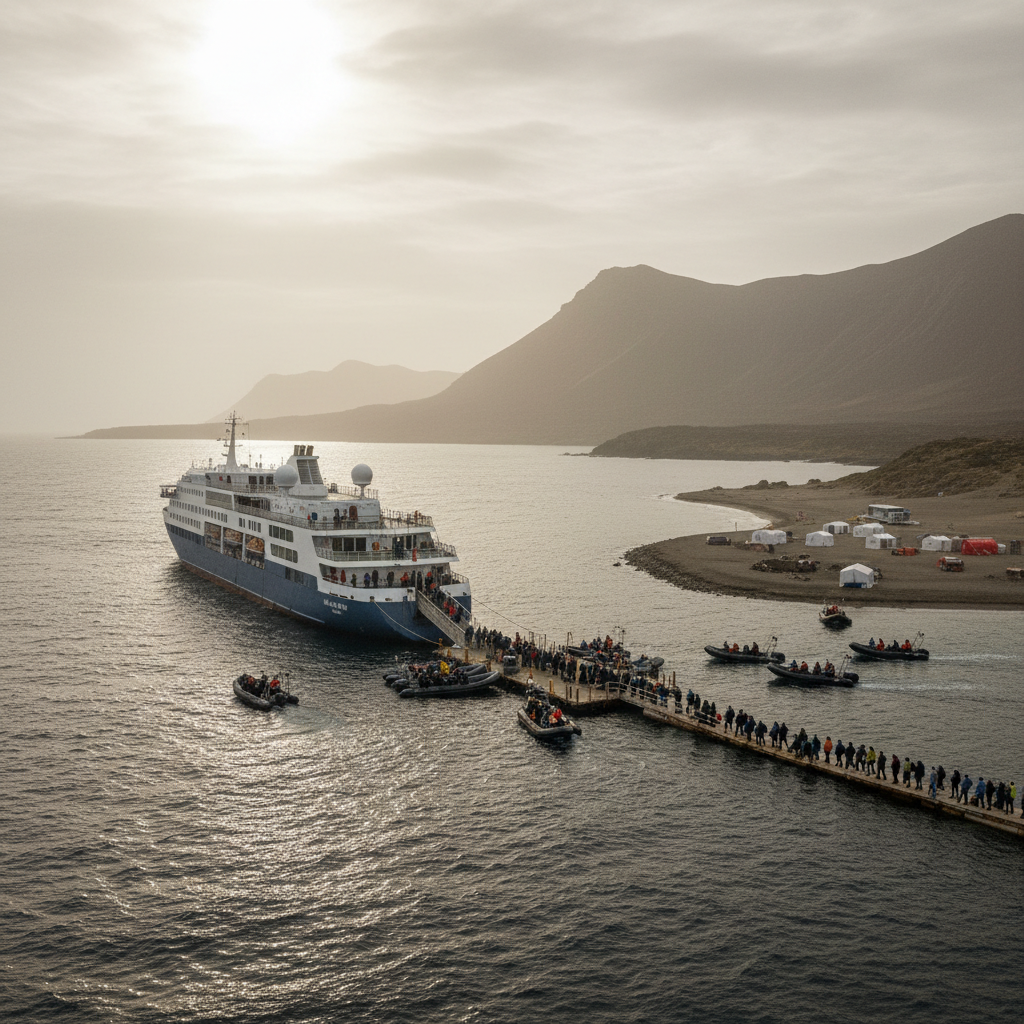
The disembarkation process for the hundreds of passengers remaining onboard has proven to be an intricate logistical challenge.As of late August 2026, details emerging from various sources suggest a phased approach, contingent on individual health status and nationality, requiring coordination between Cape Verdean authorities, the International Maritime Organization (IMO), WHO. The respective home countries of the passengers. Sources close to the operation indicate that passengers undergoing periods of isolation or those identified as close contacts have been prioritized for medical observation and testing. The initial phases of disembarkation have reportedly focused on repatriating individuals deemed medically fit for travel, following strict health screening protocols. This has involved charter flights arranged to various international hubs, with further ground transportation organized by respective embassies or travel insurers. The Cape Verdean Ministry of Health, in cooperation with WHO and Africa CDC, has played a crucial role in overseeing the health checks and ensuring compliance with international health regulations. Challenges include the limited air transport capacity out of Praia for a large number of international passengers, the need for stringent biosecurity measures during transit. The differing entry requirements of various countries for individuals arriving from an outbreak-affected vessel. Passengers have reported receiving instructions for their specific disembarkation cohort only shortly before their scheduled departure, adding to anxiety. Global Expeditions has confirmed that they're covering the costs associated with repatriation, including medical clearances and charter flights, as detailed in statements on their website. Though, the prolonged duration of the crisis and the complex logistics underscore the unprecedented nature of managing a hantavirus outbreak of this scale on a cruise vessel in an international setting.
Ongoing Monitoring and Support
For those who have disembarked, further health monitoring upon return to their home countries is a critical component of the response. Public health agencies in various nations have issued advisories for returning Hondius Andes passengers, recommending consultation with healthcare providers and continued vigilance for symptoms. The focus remains on ensuring the health and safety of all individuals affected by the MV Hondius Andes incident, both onboard and upon their return.



