Hondius Andes Passengers Describe Isolation, Communication Gaps, and Uncertain Disembarkation
Confined aboard the MV Hondius Andes since early May, passengers recount fluctuating conditions, inconsistent official communications, and growing anxieties as disembarkation plans remain largely unconfirmed.
Onboard Realities: Isolation and Anxiety
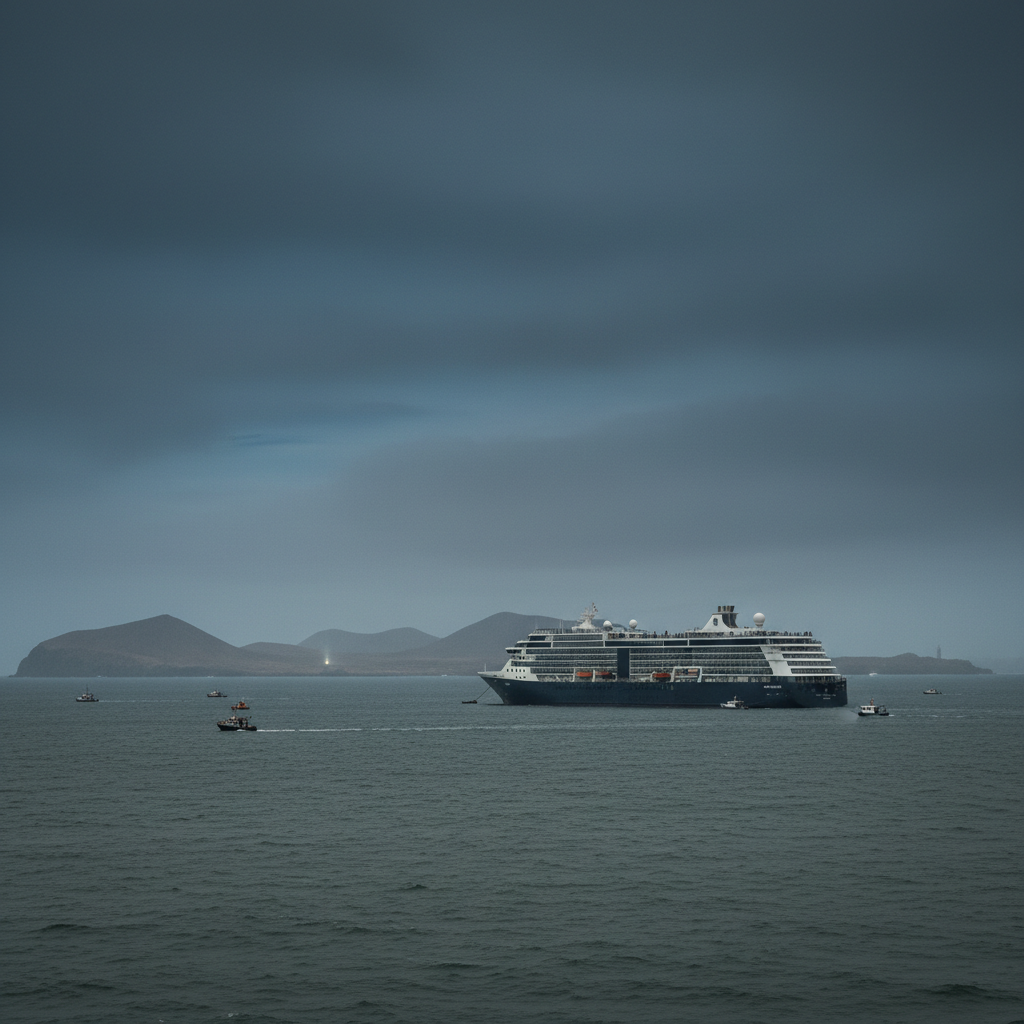
Praia, Cape Verde – Passengers aboard the MV Hondius Andes, anchored off Praia since early May due to a hantavirus outbreak, have provided further insights into their prolonged experience, highlighting stringent isolation measures, varying communication effectiveness from the cruise operator. Ongoing uncertainty surrounding their eventual return home. Reports from passengers, communicated through limited personal channels, paint a picture of resilience mixed with mounting frustration. Early on, passengers described a rapid transition from leisure to strict quarantine. "The initial days were surreal," commented one individual via a messaging app, requesting anonymity due to confidentiality clauses with the cruise operator. "We went from dining and excursions to cabin confinement almost overnight." This rapid shift was consistent with early actions taken by health authorities to contain viral spread within the confined environment of the vessel. Cabin confinement has been a central feature of the experience for a number of. While some passengers with balconies have reported access to fresh air, those in interior cabins have faced more restrictive conditions. Daily health checks, including temperature monitoring, have been standard procedure, reportedly conducted by medical staff in personal protective equipment (PPE).
Operator Communications: A Mixed Bag
Communications from "Hanseatic Expeditions," the ship's operator, have been a critical point of focus for passengers. Initial communications, according to multiple accounts, were often delayed and lacked specific details, leading to heightened anxiety. "Information trickled out, often through notices slipped under doors," another passenger reported. "There was a strong desire for more frequent, transparent updates, especially on the health situation and disembarkation timelines."
Over time, passengers indicate some improvements in communication protocols, with more regular updates on the general situation and health advice. But, the exact nature and timing of disembarkation plans have remained a persistent source of ambiguity.The cruise operator has, at various points, confirmed its commitment to the safety and well-being of all on board, reiterated cooperation with international health bodies. Stated that disembarkation would occur only when deemed medically safe and logistically feasible by all involved authorities, as noted in public statements shared with Reuters on 2026-06-25.
Disembarkation Logistics: A Complex Web
The logistics of disembarking hundreds of passengers from a quarantined vessel during an active outbreak are proving exceptionally complex. Multiple international health agencies, including the World Health Organization (WHO) and the European Centre for Disease Prevention and Control (ECDC), along with local Cape Verdean authorities and the International Maritime Organization (IMO), are involved in discussions. Key challenges include securing transit routes, coordinating flights for passengers returning to various home countries, and ensuring continued health monitoring post-disembarkation. Passengers have been informed that plans are contingent on several factors, including ongoing testing results aboard the vessel and the availability of safe receiving facilities in their home jurisdictions. Repatriation flight arrangements are expected to be highly coordinated and potentially involve staggered departures to minimize risk. Too, questions persist regarding financial compensation for the extended voyage and the disruption to travel plans. While Hanseatic Expeditions has indicated that details regarding refunds and future cruise credits are being worked out on a case-by-case basis, concrete information for all passengers has not yet been fully disseminated, contributing to financial anxieties among some.
Mental Health and Support Systems
The prolonged isolation and uncertainty have predictably taken a toll on passengers' mental well-being. The cruise operator has reportedly increased the availability of psychological support services on board, with dedicated staff available for individual consultations. Group online forums and internal ship communication channels have too emerged as informal support networks among passengers. As the MV Hondius Andes remains anchored, the global community watches for safe resolution.The experiences of those on board offer critical lessons in managing maritime outbreaks, emphasizing the paramount importance of clear communication, coordinated international response. Comprehensive passenger care during such prolonged crises.
Sources
- World Health Organization (WHO)
- European Centre for Disease Prevention and Control (ECDC)
- Africa Centres for Disease Control and Prevention (Africa CDC)
- U.S. Centers for Disease Control and Prevention (US CDC)
- International Maritime Organization (IMO)
- Reuters
- Associated Press (AP)
- British Broadcasting Corporation (BBC)



