Hondius Andes Passengers Describe Isolation, Operator Silence Amid Disembarkation Uncertainty
Passengers aboard the MV Hondius Andes, anchored off Praia, Cape Verde, report growing frustration over communication lapses and prolonged quarantine measures, as disembarkation plans remain fluid for the hantavirus-affected vessel.
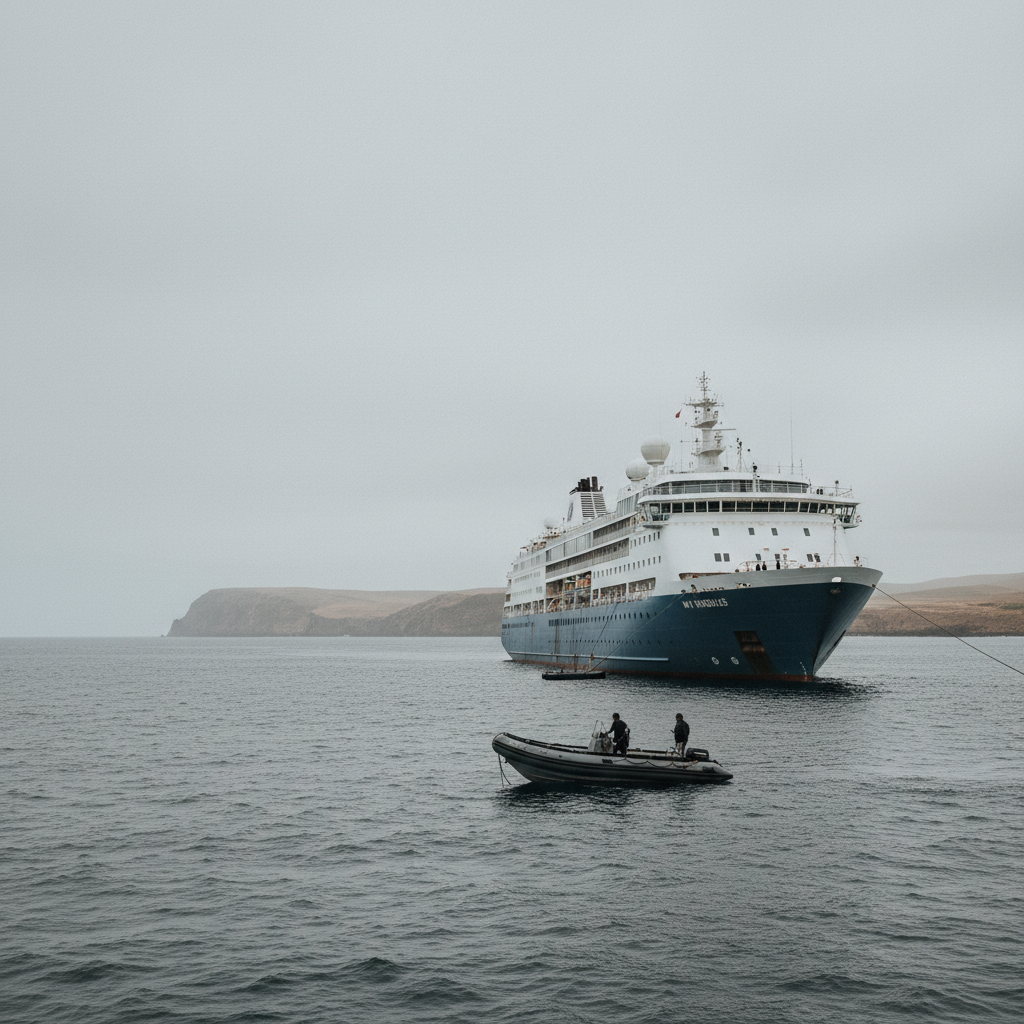
MV Hondius Andes: Aboard the Quarantined Cruise
PRAIA, CAPE VERDE — Over three months after the initial hantavirus outbreak was identified aboard the MV Hondius Andes, passengers remain in a state of prolonged isolation, describing a challenging environment marked by inconsistent communication from the cruise operator, Polar Expeditions. Uncertainty surrounding their eventual disembarkation. The vessel, carrying an undisclosed number of passengers and crew, has been anchored off the coast of Praia, Cape Verde, since May 2026. Initially, passengers were informed of a strict, vessel-wide quarantine protocol to prevent further transmission of the zoonotic virus. This included limitations on movement, enhanced sanitation measures, and daily health checks. While these protocols were generally understood as necessary, the extended duration and perceived lack of transparency have become central points of contention.
Passenger Accounts: A Glimpse into Life Afloat
Communications from passengers, primarily through satellite internet messages to family and limited media contacts, paint a picture of varying conditions. Early reports highlighted adequate access to medical care for symptomatic individuals and regular provision of essentials. But, as the quarantine period stretched from weeks into months, the tenor of these communications shifted. Several passengers, who requested anonymity due to concerns about repercussions from the cruise line, described an initial period of relative calm that gradually eroded into frustration. "The hardest part isn't the virus itself, but the not knowing," one passenger reportedly communicated to a family member via email. "We get updates, yet they often contradict previous information, or they're so vague they create more questions than answers."
Confined largely to their cabins, or to designated zones with strict distancing, passengers have cited the psychological toll of extended isolation. Access to fresh air and outdoor spaces has reportedly been managed through a highly scheduled rotation, further emphasizing the regimented nature of life onboard.
Operator Communications Under Scrutiny
Polar Expeditions, the cruise operator, has issued periodic statements via their official channels, predominantly acknowledging the ongoing health emergency and expressing commitment to passenger and crew safety. These statements have generally reiterated adherence to international health regulations and cooperation with health authorities, including the World Health Organization (WHO) and Africa Centres for Disease Control and Prevention (Africa CDC). Yet, the frequency and specificity of these public communications have been a point of criticism from passenger advocacy groups and families awaiting their loved ones. "Families deserve clear, consistent information about the well-being and timeline for return of their family members," stated a representative from a newly formed passenger support group, speaking off-record to the Associated Press. "The current level of detail from Polar Expeditions is simply insufficient given the circumstances."
The operator has confirmed that daily health monitoring continues for all individuals onboard, with isolation protocols in place for any new suspected cases. They have also indicated that mental health support resources are available, though specifics on utilization rates have not been released.
Disembarkation: A Complex Logistical Challenge
Plans for disembarkation have been particularly complex and fraught with delays.Initial proposals for staged medical evacuations and repatriation flights faced hurdles related to host nation entry requirements, epidemiological risk assessments by various national health bodies. The availability of suitable quarantine facilities upon return. As of [August 23, 2026], a definitive timeline and detailed strategy for mass disembarkation have not been publicly confirmed by either Polar Expeditions or the relevant international health authorities. Discussions are reportedly ongoing between the cruise operator, the government of Cape Verde, and several flag states of the passengers. The International Maritime Organization (IMO) has stressed the importance of humanitarian considerations while maintaining strict public health measures. The complexity is compounded by the incubation period of hantavirus and the need for rigorous health screening before allowing individuals to travel internationally, even those who have remained asymptomatic. Some reports suggest that various national governments are attempting to coordinate charter flights for their citizens once a disembarkation agreement is finalized. But, this is contingent on the health status of individuals and the willingness of transit and destination countries to accept potentially exposed travelers, even with strong screening. The process is further complicated by the need for careful cleaning and disinfection of the vessel once all individuals have departed. The Hantavirus Cruise desk continues to monitor the situation closely, awaiting further official announcements on the MV Hondius Andes and its passengers.



