Hondius Andes Passengers Describe Isolation, Uncertain Disembarkation Logistics
MV Hondius Andes passengers, isolated off Cape Verde since May, detail challenging onboard conditions and shifting information from operator Cruceros del Sol as international agencies finalize disembarkation plans.
Onboard Isolation and Communication Challenges
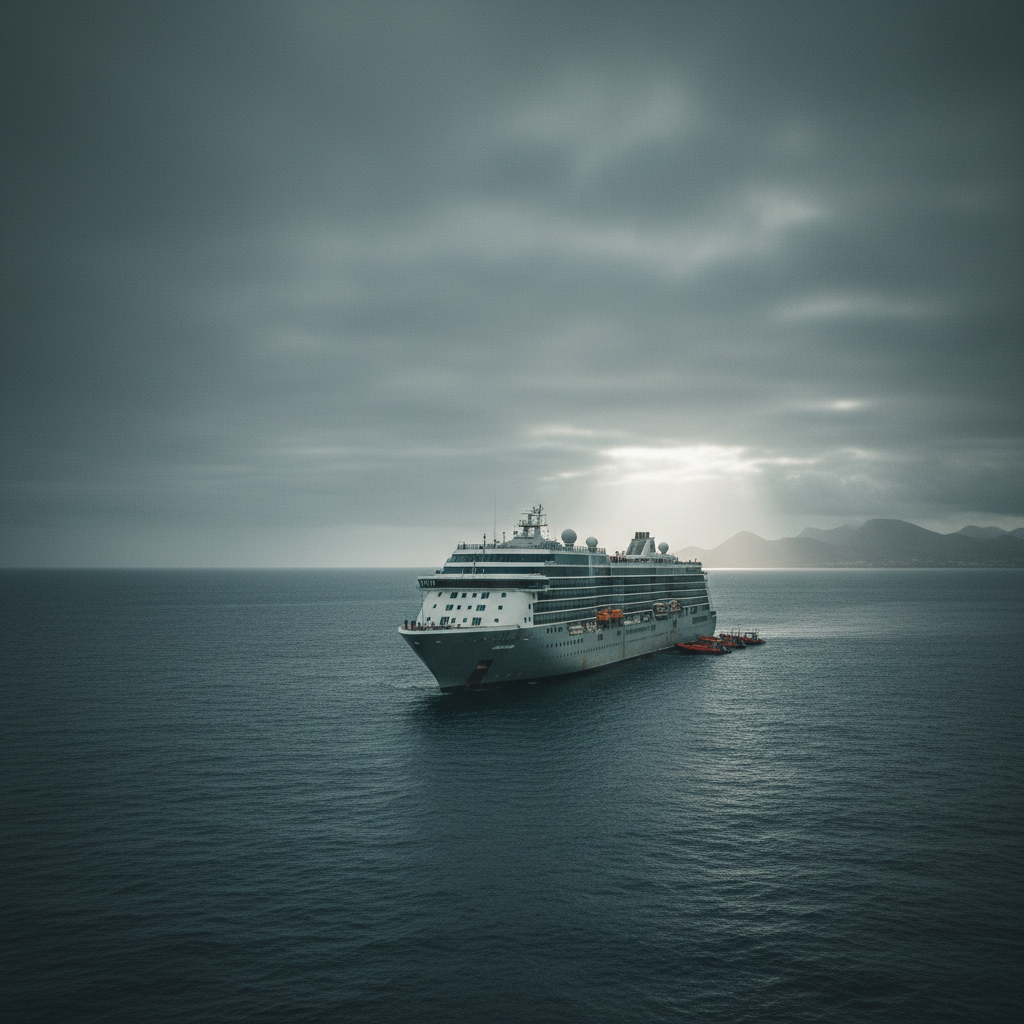
Passengers aboard the MV Hondius Andes, anchored off Praia, Cape Verde, since early May 2026, have described a protracted and often confusing experience during their extended isolation. Communications from the cruise operator, Cruceros del Sol, have been a recurring point of concern for those onboard, many of whom have been confined to their cabins for months to mitigate further hantavirus transmission risks. Initial communications from Cruceros del Sol, as reported by passengers via limited satellite internet access and later confirmed by international health agencies, focused on containment protocols and basic welfare. Though, as the weeks turned into months, the flow and clarity of information reportedly became inconsistent. Passengers have indicated receiving varied instructions regarding testing schedules, health screenings, and the timeline for potential disembarkation. International health organizations, including the World Health Organization (WHO) and the Africa Centres for Disease Control and Prevention (Africa CDC), have consistently stressed the importance of clear, consistent communication from the operator to those affected. Publicly available guidance from these bodies highlights that transparency helps reduce anxiety and ensures cooperation with public health measures.
Shifting Disembarkation Logistics
The process of disembarking passengers from the MV Hondius Andes has been a complex logistical challenge, complicated by the ongoing hantavirus outbreak and the need for stringent biosecurity protocols.Early discussions involved potential repatriation to various home countries. These plans have evolved bigly due to the specific nature of hantavirus transmission and the incubation period requirements. As of early October 2026, a multi-agency task force, including representatives from the International Maritime Organization (IMO), WHO, US CDC. Several national public health bodies, has been coordinating the disembarkation strategy. The current plan, as outlined in recent public statements from participating agencies, involves a phased approach. This approach prioritizes passengers deemed low-risk following repeated hantavirus testing and requires further isolation or monitoring upon arrival in their home countries. Passengers who have shown symptoms or had confirmed infections, and Then recovered, are too subject to specific protocols to ensure they no longer pose a transmission risk. Cruceros del Sol has stated its commitment to facilitating the disembarkation process in line with international health regulations and has reportedly been working with national authorities to arrange charter flights and ground transport. Though, the exact timelines for specific passenger groups remain fluid, contributing to continued uncertainty among those still onboard. Reports indicate that repatriation efforts are being coordinated with several European, North American, and Asian nations, requiring bilateral agreements and strict health checks at destination ports or airports.
Passenger Welfare and Mental Health Concerns
The prolonged isolation has taken a toll on the mental and physical well-being of multiple passengers. Accounts from individuals indicate challenges with access to fresh air, varied dietary options, and regular medical consultations for non-hantavirus related conditions. Cruceros del Sol has stated that it's providing essential services, including medical support, food, and internet access, to the best of its ability under extraordinary circumstances. Public health experts have highlighted the psychological impact of such a prolonged and uncertain situation.Organizations like the WHO have issued guidelines for mental health support in quarantine settings, emphasizing the need for regular communication, access to social support. Opportunities for physical activity within safe parameters. Reports from onboard suggest that while some mental health support has been offered remotely, the sustained nature of the event presents unique challenges. As the disembarkation plans slowly materialize, the focus remains on safely transitioning passengers off the vessel while preventing any further international spread of the hantavirus. The experience aboard the MV Hondius Andes continues to serve as a critical case study for international public health response to outbreaks on cruise ships.



