Hondius Andes Passengers Describe Isolation, Uncertain Disembarkation Logistics
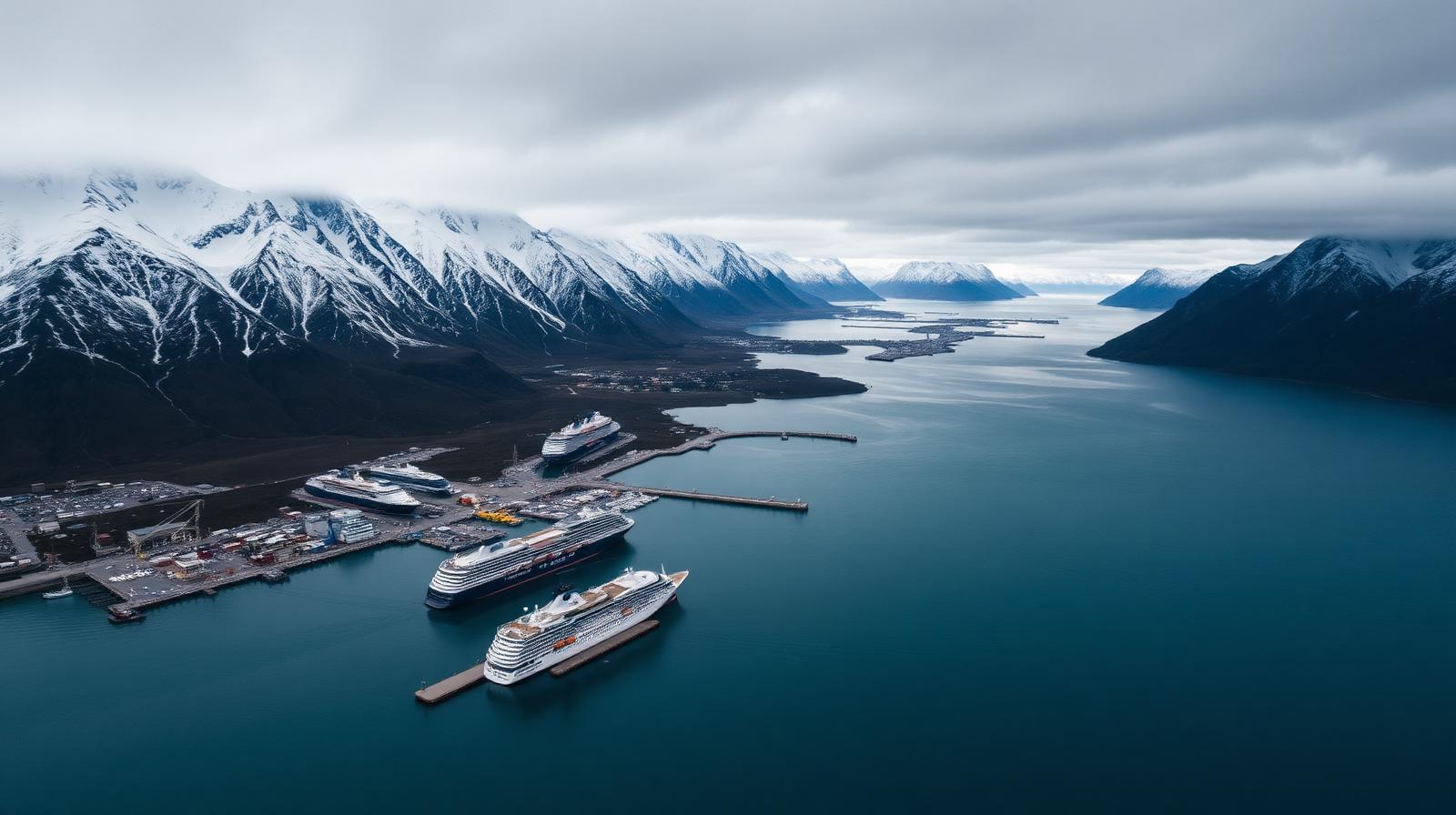
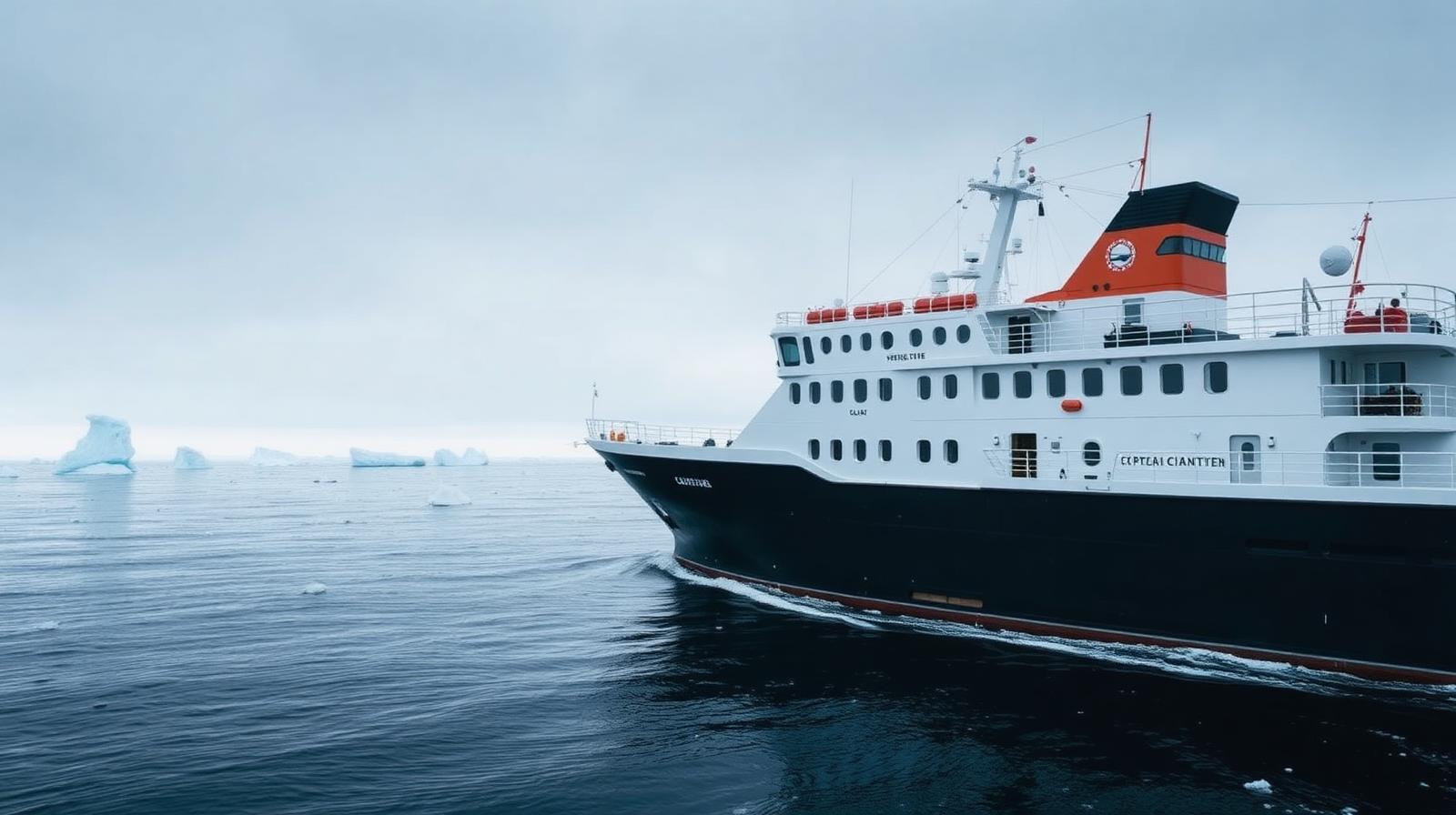
Passengers aboard the MV Hondius Andes, anchored off Praia, Cape Verde, report extended isolation and mounting frustration as operators struggle to finalize disembarkation plans amid the ongoing hantavirus outbreak response. Official communications remain the primary source of information.
Passenger Accounts Detail Onboard Realities
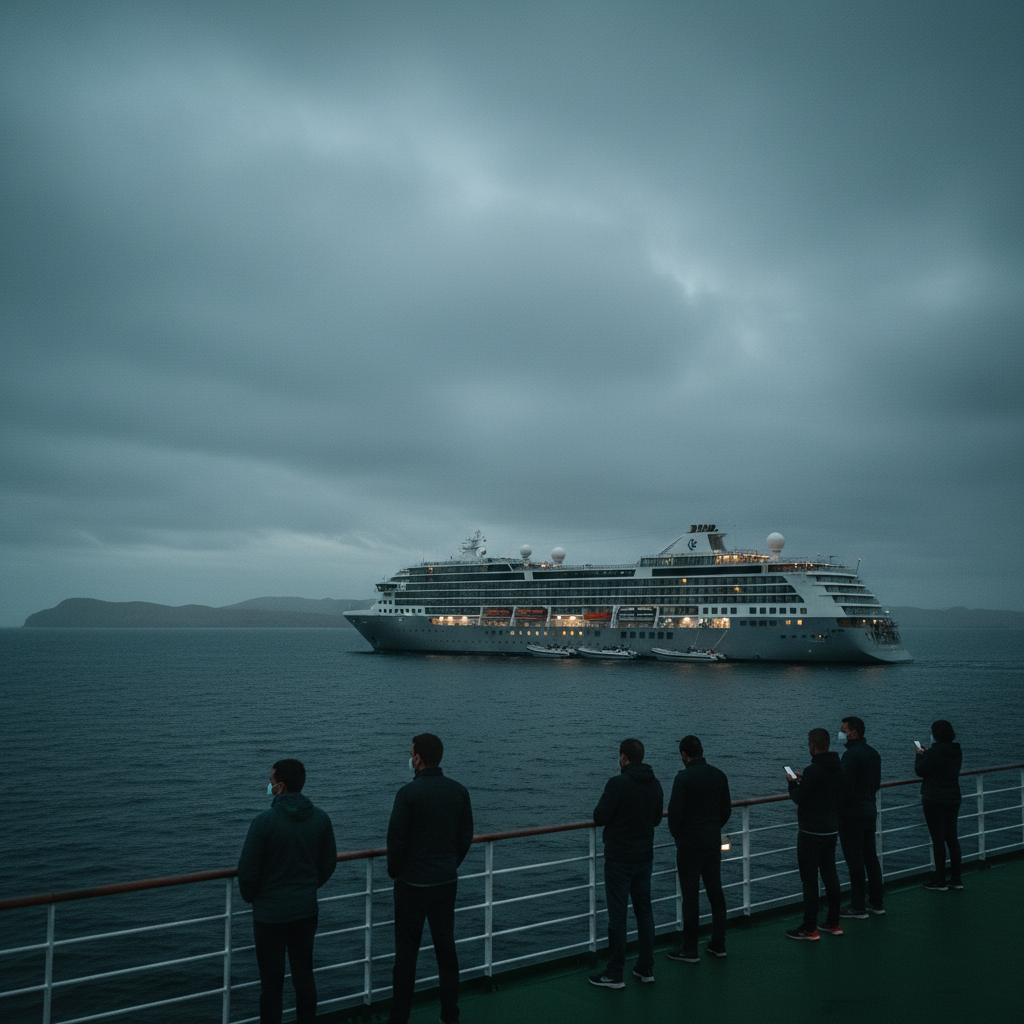
PRAIA, CAPE VERDE – October 19, 2026 – Over five months after the MV Hondius Andes was placed under quarantine, passenger accounts are increasingly detailing the protracted isolation, health concerns. Logistical challenges faced by those still aboard. Communications from Hondius Cruises, the vessel's operator, have been a critical, if sometimes slow, lifeline for passengers grappling with the hantavirus outbreak. Initial reports from passengers, several shared via satellite internet and relayed through family members, described a period of acute uncertainty following the initial detection of hantavirus cases in late May 2026. Early measures included enhanced sanitization protocols, temperature checks, and the isolation of symptomatic individuals. As the outbreak evolved, widespread testing became standard, leading to further isolation for confirmed or suspected cases. Public health agencies, including the Africa CDC and the US CDC, have been monitoring the situation closely, providing guidance on infection control and passenger management. Recent passenger testimonies highlight the psychological toll of extended confinement. While access to medical care for non-hantavirus related issues appears to have been maintained, the constant threat of infection and the lack of a clear timeline for return have become bigly stressors. "Life on board is largely confined to cabins," one passenger's family member relayed, quoting their relative. "Information, when it comes, is often brief and raises more questions than answers on when we can leave."
Operator Communications and Disembarkation Hurdles
Hondius Cruises has consistently affirmed its commitment to passenger safety and well-being.Their communication strategy, as observed through public statements and internal updates to passengers, has focused on conveying public health directives, medical support availability. Assurances regarding eventual repatriation. But, the complexity of disembarkation planning, involving multiple international jurisdictions and stringent public health requirements, has resulted in frequent delays and shifting timelines. Disembarkation logistics are complicated by the need to screen all passengers for hantavirus, manage potential asymptomatic carriers. Ensure safe transit to their home countries without further spreading the virus. The International Maritime Organization (IMO) has been involved in discussions regarding safe port entry and crew welfare, alongside national health authorities of various nations whose citizens are onboard. Cape Verdean authorities, while providing anchorage, have maintained strict border controls to prevent onward transmission within their territory. As of early October, Hondius Cruises indicated a phased disembarkation strategy was under development, contingent on negative test results and coordinated travel arrangements with home nations. This plan reportedly involves establishing a sterile corridor for transit from the ship to chartered flights, bypassing public areas in Praia. The sheer number of passengers from diverse nationalities, coupled with varying national entry requirements regarding hantavirus screening and quarantine, presents a formidable challenge.
Public Health Oversight and Future Implications
International health bodies, including the World Health Organization (WHO), have underscored the importance of strong public health measures in managing such maritime outbreaks. The MV Hondius Andes situation serves as a stark reminder of the complexities of containing infectious diseases in highly mobile populations. The WHO has emphasized the need for clear communication between operators, public health agencies, and affected individuals to mitigate anxiety and ensure compliance with health protocols. Important context: the drawn-out nature of the disembarkation process highlights the lack of a standardized international framework for handling prolonged cruise ship quarantines during novel pathogen outbreaks. Lessons learned from this incident are expected to inform future maritime health policies and emergency response protocols globally. For passengers, the priority remains a safe return home, a prospect that, as of October 19, 2026, remains a matter of ongoing, complex negotiation and planning.