Hondius Andes Passengers Describe Isolation, Uncertainty Amidst Hantavirus Outbreak
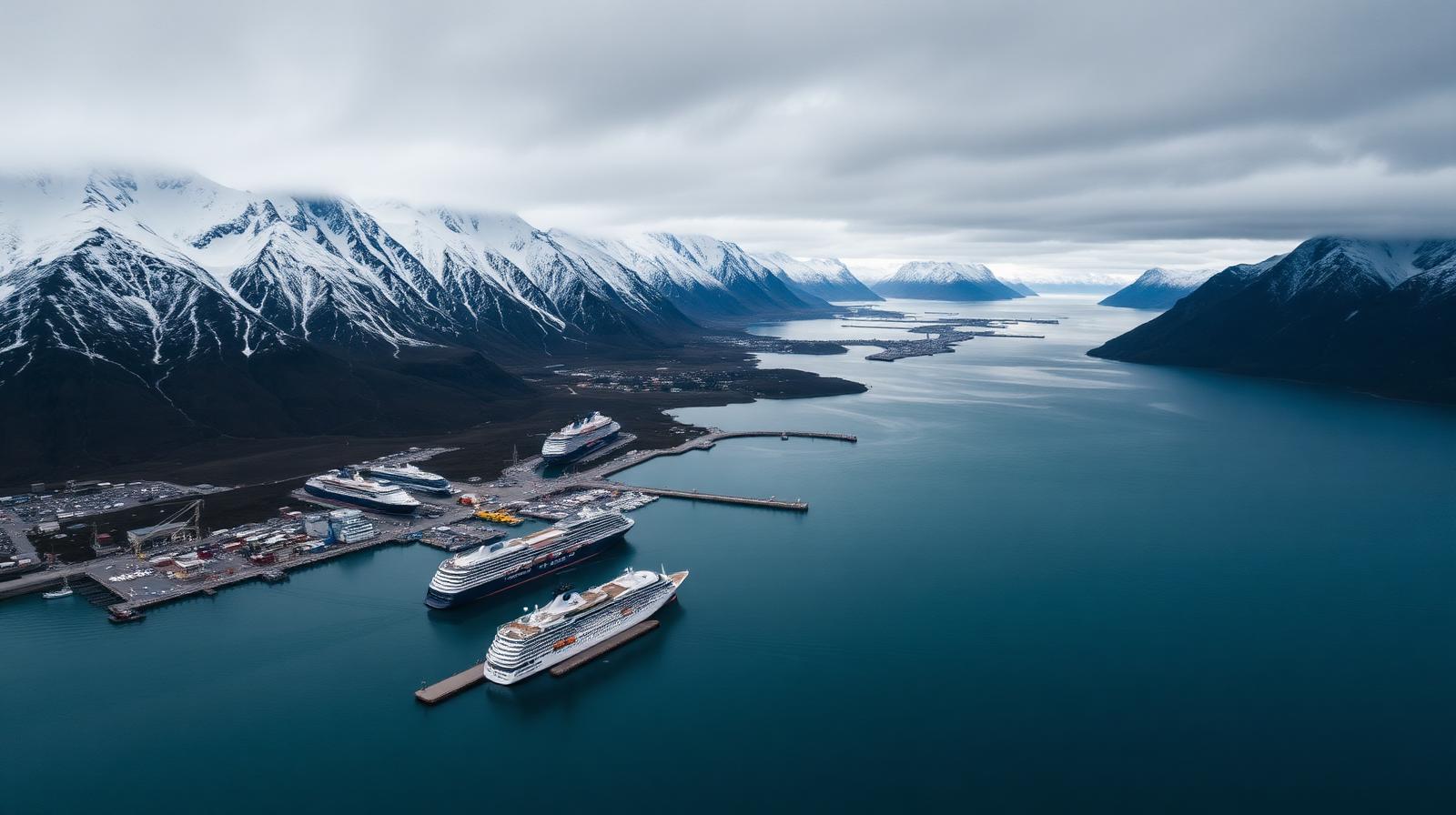
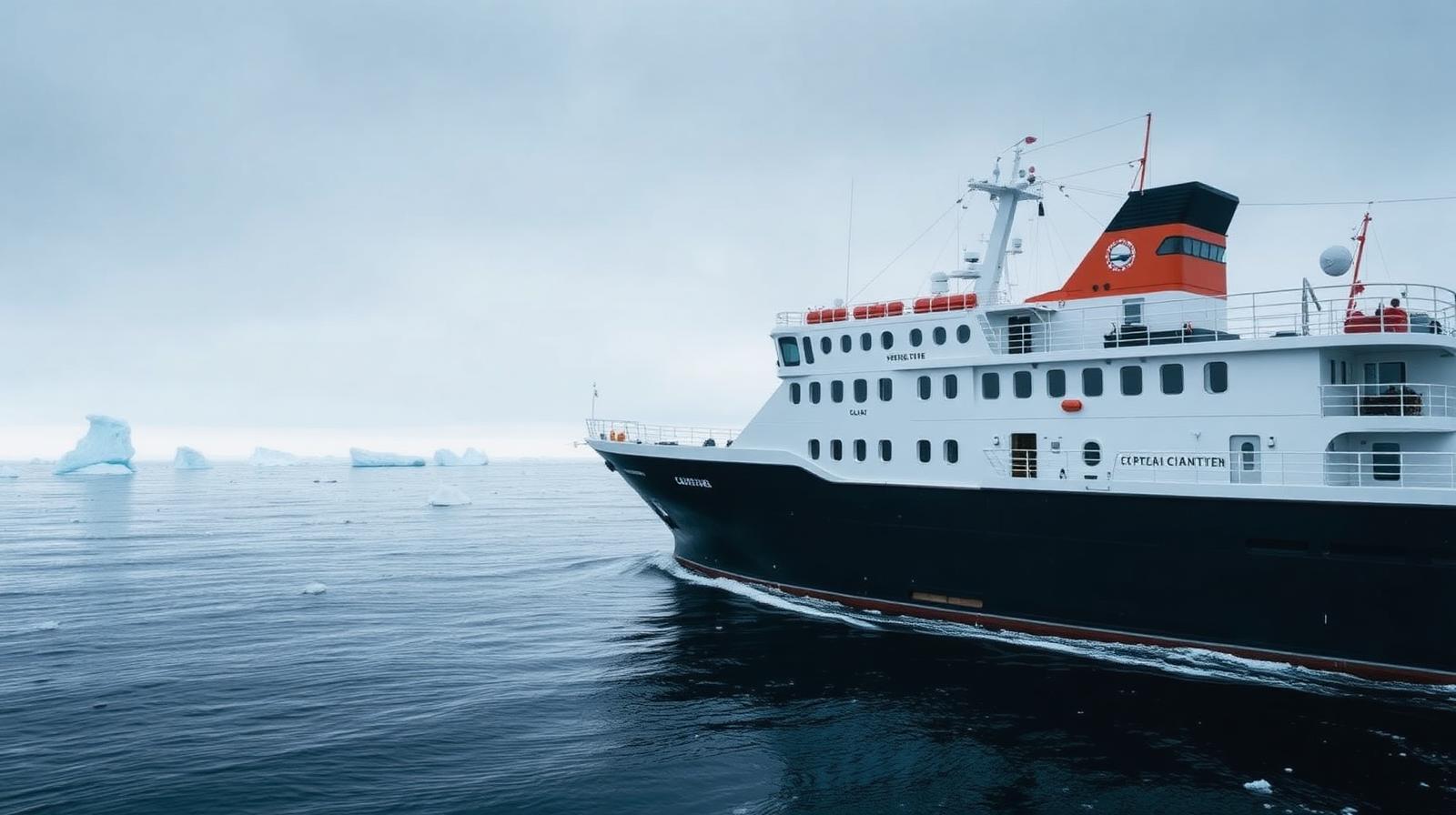
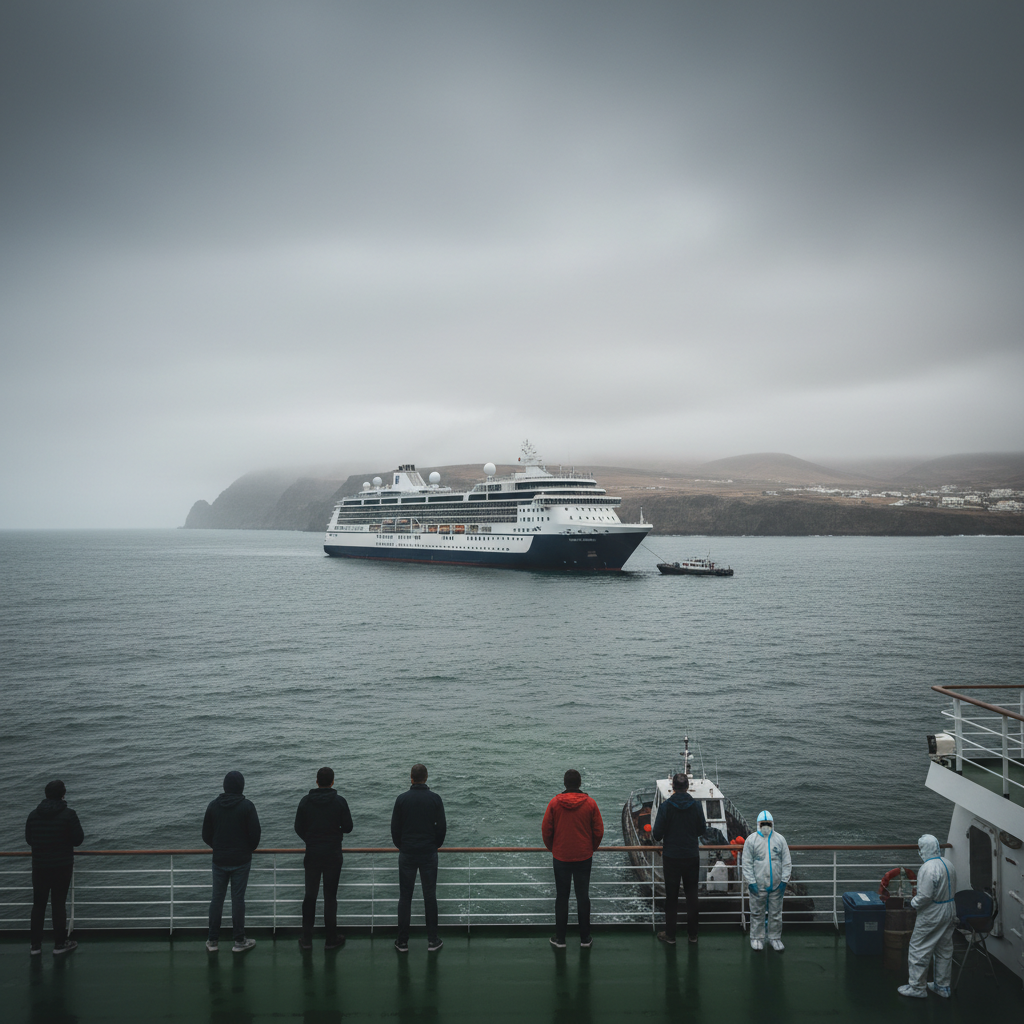
Passengers aboard the MV Hondius Andes, anchored off Praia, Cape Verde, recount weeks of heightened health protocols, limited communication, and growing anxiety as authorities finalize disembarkation plans following a suspected hantavirus outbreak.
Onboard Realities: Weeks of Restricted Movement
For weeks, passengers on the MV Hondius Andes have lived under varying degrees of restriction, their Antarctic cruise abruptly halted by a suspected hantavirus outbreak.Accounts emerging from the vessel describe a fluctuating environment of isolation, stringent health screenings. A reliance on ad-hoc communication channels to supplement official updates from the cruise operator, Oceanwide Expeditions. Initially, passengers reported being largely confined to their cabins, with limited access to common areas. "Our days are structured around health checks and anticipating the next message from the crew," one unconfirmed report stated in an online forum tracing the ship's status. Food service, initially provided directly to cabins, has gradually shifted to more organized, socially distanced arrangements in dining areas, as per unconfirmed passenger communications. Oceanwide Expeditions, the operator of the MV Hondius Andes, has maintained that passenger and crew safety is their paramount concern.Their official communications, shared via email and on their website, have outlined the implementation of rigorous hygiene protocols, daily health monitoring. The isolation of individuals exhibiting symptoms consistent with hantavirus. But, the exact number of individuals affected or under isolation has not yet been released publicly by the operator or health authorities, as of July 2, 2026.
Communication Gaps and Mounting Anxiety
While Oceanwide Expeditions has provided regular updates, passengers have frequently expressed frustration over perceived communication gaps, particularly on the timeline for disembarkation and the specific health situation on board. Several unconfirmed social media posts from individuals claiming to be passengers highlighted the psychological toll of prolonged containment and uncertainty. "The lack of clear answers about when we can leave is the hardest part," read one unverified post on a passenger advocacy group's online discussion board. Authorities, including the World Health Organization (WHO) and local health officials in Cape Verde, have been actively involved in monitoring the situation and coordinating the international response. The ECDC (European Centre for Disease Prevention and Control) has also been providing guidance, particularly concerning public health measures and risk assessment for European citizens aboard. Transparency from public health bodies typically focuses on broader epidemiological data rather than granular details of individual ship conditions, which can contribute to the information vacuum felt by those directly affected.
Disembarkation Logistics: A Complex International Undertaking
The most pressing concern for passengers now centers on disembarkation. The process, complicated by international travel restrictions, the nature of hantavirus transmission, and the need for thorough health screening, has been a bigly logistical challenge. As of July 2, 2026, arrangements are reportedly underway to help a phased disembarkation, likely involving charter flights for repatriation. Sources close to the operation, speaking on background, indicate that individuals who have shown no symptoms for a specified incubation period. Who have tested negative for hantavirus (where testing is available and conclusive), will be prioritized for early departure. Those exhibiting symptoms or testing positive will require further medical evaluation and potentially isolation ashore, subject to the capacity and protocols of Cape Verdean health authorities and international medical support teams. Cape Verde's Ministry of Health has outlined strict entry requirements, emphasizing health declarations and proof of medical clearance for all disembarking passengers and crew. Repatriation flights will require coordination with the respective home countries' embassies and consulates. The International Maritime Organization (IMO) has been consulted on aspects relating to crew welfare and international shipping protocols during health emergencies, ensuring adherence to maritime law and public health directives. Oceanwide Expeditions stated in a recent press release (July 1, 2026) that they're working diligently with all relevant national and international health and maritime authorities to ensure a safe and orderly disembarkation process, with details to be shared directly with passengers and their families as they become firm.
Looking Ahead: Post-Disembarkation Monitoring
Upon disembarkation, passengers will likely be advised or required to undergo further health monitoring by their respective national health agencies. The long incubation period of hantaviruses (typically 2-4 weeks, though potentially up to 8 weeks) necessitates continued vigilance. Public health advice from organizations like the US CDC (Centers for Disease Control and Prevention) and ECDC emphasizes the importance of follow-up care and self-monitoring for returning travelers from affected areas. The MV Hondius Andes remains anchored, its future itinerary uncertain, as the focus shifts entirely to the safe return of its passengers and crew. The thorough sanitization of the vessel in compliance with international health regulations.
Sources
- World Health Organization (WHO): https://www.who.int
- European Centre for Disease Prevention and Control (ECDC): https://www.ecdc.europa.eu
- Africa Centres for Disease Control and Prevention (Africa CDC): https://africacdc.org
- U.S. Centers for Disease Control and Prevention (US CDC): https://www.cdc.gov
- International Maritime Organization (IMO): https://www.imo.org
- Reuters: https://www.reuters.com
- Associated Press (AP): https://apnews.com
- BBC News: https://www.bbc.com/news