Hondius Andes Passengers Describe Ordeal, Disembarkation Logistics Under Scrutiny
Accounts from MV Hondius Andes passengers detail the challenging conditions and communication breakdowns during the hantavirus outbreak, as disembarkation plans face logistical hurdles and health screenings.
Onboard Realities Emerge
Initial accounts from passengers aboard the MV Hondius Andes, currently anchored off Praia, Cape Verde, paint a picture of anxiety, isolation. Varying levels of communication during the ongoing hantavirus outbreak. With the vessel under quarantine since early May 2026, the experience for those onboard has been protracted and, for several, deeply unsettling. Passengers have described a gradual increase in health and safety protocols as the scale of the outbreak became clearer.Early reports suggest an initial period of uncertainty, followed by the implementation of more stringent measures, including restricted movement within the ship, enhanced cleaning regimes. Daily health checks. While specific details remain anecdotal, a recurring theme is the psychological toll of prolonged confinement and the health concerns surrounding the hantavirus. Communication from the ship's operator, Hondius Expeditions, has been a critical point of concern for multiple. While regular updates were reportedly provided, passengers' perceptions of their clarity and frequency have varied. Some expressed frustration over what they perceived as delayed or insufficient information on the health status on board, testing procedures, and, crucially, the timeline and logistics of eventual disembarkation. The challenge of communicating complex public health information to a diverse international passenger manifest, often under stressful circumstances, is evident.
Disembarkation Plans Take Shape Amid Challenges
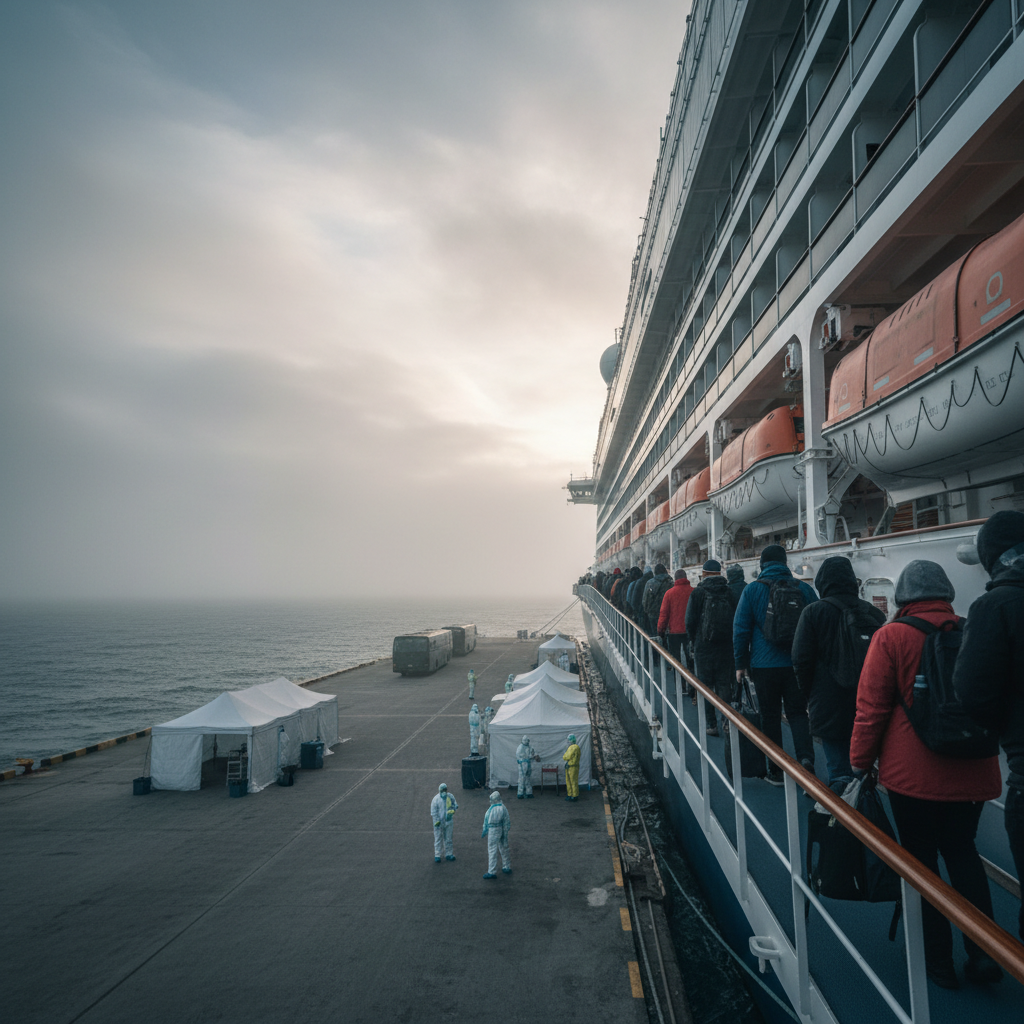
The disembarkation process for the MV Hondius Andes, which began in late July, has been a complex undertaking involving multiple international agencies and local Cape Verdean authorities. One detail: the primary objective is to ensure the safe and medically appropriate transfer of passengers and crew while preventing further transmission of hantavirus. Logistical challenges are considerable. Passengers are being disembarked in phases, prioritizing those deemed medically stable and those with less exposure risk, as well as considering national repatriation efforts. All individuals departing the vessel are undergoing rigorous health screenings, including temperature checks and symptom questionnaires, as well as hantavirus testing where indicated. The specific protocols for isolation and follow-up monitoring upon return to their home countries vary by jurisdiction, adding another layer of complexity to the overall operation. International health organizations, including the World Health Organization (WHO) and the Africa Centres for Disease Control and Prevention (Africa CDC), have been providing technical guidance and support to Cape Verdean authorities. This support focuses on establishing safe transit corridors, ensuring adequate medical facilities are available for potential cases, and coordinating repatriation efforts with various national governments. The sheer number of nationalities represented on the Hondius Andes necessitates a broad collaborative effort. Repatriation flights are being organized in coordination with national governments, with passengers flying to designated entry points where further health checks and, in some cases, mandatory quarantine periods are being enforced. The International Maritime Organization (IMO) has also been involved in facilitating discussions around the legal and operational aspects of port entry and crew repatriation, particularly concerning maritime health declarations and international shipping regulations.
The Aftermath: Support and Investigation
For passengers returning home, the experience is not yet over. Many will face ongoing health monitoring and may require psychological support to process the events of the past months. The cruise industry, still reeling from the impacts of previous global health crises, faces renewed scrutiny over its emergency response protocols and passenger communication strategies. Investigations into the origins and spread of the hantavirus on the MV Hondius Andes are expected to continue for some time. Public health agencies will be reviewing data on onboard transmission, environmental factors, and the efficacy of containment measures. The findings from these investigations will be crucial for informing future cruise ship health policies and ensuring better preparedness for similar events. As disembarkation continues, the focus remains on the health and safety of all individuals involved, from the passengers and crew of the Hondius Andes to the dedicated health and logistical personnel on the ground in Cape Verde and around the world.



