Hondius Andes Passengers Detail Isolation, Communication Challenges Amid Outbreak
Onboard accounts from the MV Hondius Andes describe extended isolation, inconsistent information from operator Andes Expeditions, and complex disembarkation planning as the hantavirus outbreak response continues off Praia, Cape Verde.
Passenger Accounts Shed Light on Onboard Conditions
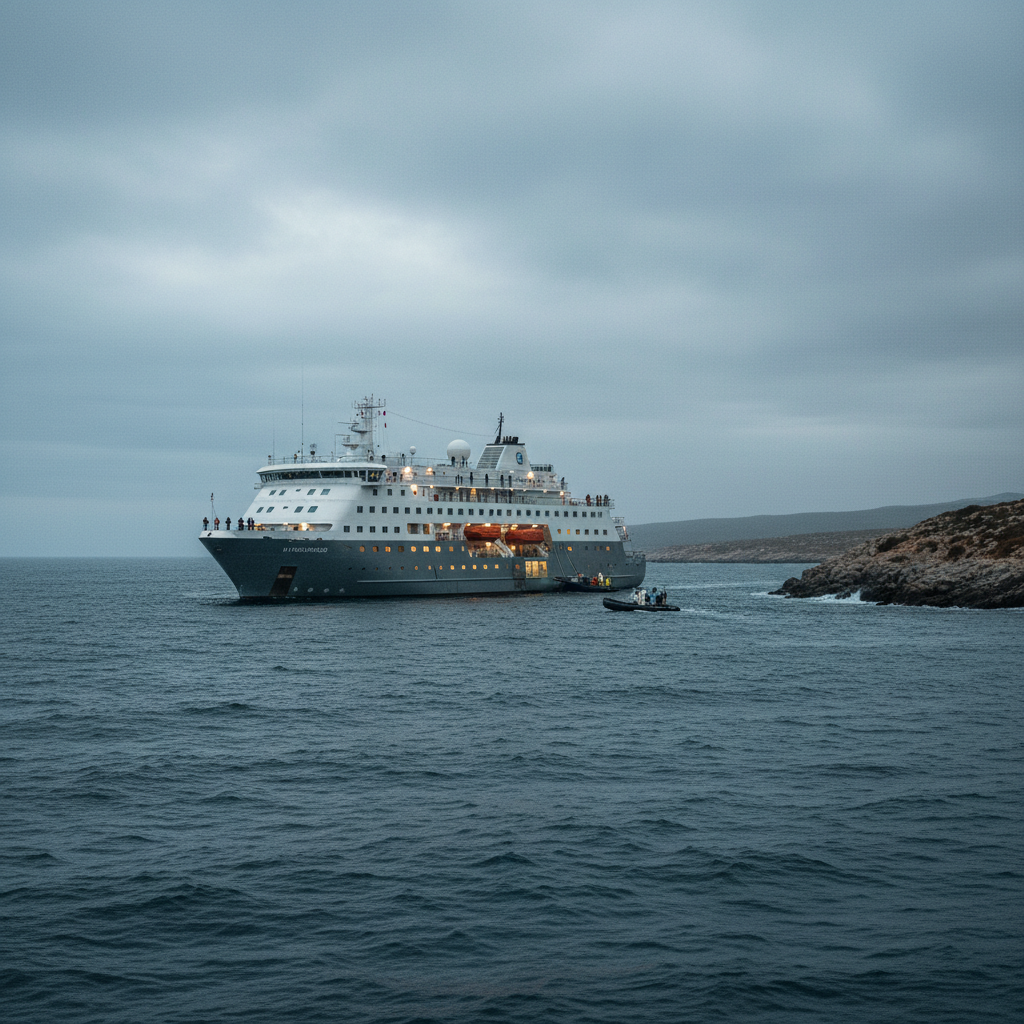
Passengers aboard the MV Hondius Andes, anchored off Praia, Cape Verde, since May 2026, have begun to share more detailed accounts of their prolonged isolation and the challenges faced during the hantavirus outbreak response. Communications from individuals on board, primarily through secure messaging channels and satellite calls, paint a picture of fluctuating morale and growing concern over the duration of their containment. Initial reports from passengers indicated a period of uncertainty as the scale of the outbreak became clear. Early days saw limited information, leading to anxiety among those confined to their cabins. As of early October 2026, the vessel remains under strict health protocols, with passengers largely restricted to their assigned accommodations or designated zones for monitored outdoor access, per advisories from health authorities involved in the response. Meals are reportedly delivered to cabins, and medical check-ups are conducted by onboard and visiting medical staff in personal protective equipment (PPE). Several passengers have described the psychological toll of extended isolation, noting the absence of traditional cruise activities and the constant awareness of the health crisis. The availability of mental health support, while present, has been an area of varying satisfaction among those interviewed remotely. Publicly shared messages indicate a desire for clearer timelines regarding their eventual return home.
Operator Communications Under Scrutiny
Andes Expeditions, the operator of the MV Hondius Andes, has been the primary conduit for information to passengers and their families ashore. Early communications were described by some as infrequent and lacking in detail, particularly concerning the specifics of the hantavirus transmission and the duration of quarantine measures. Over time, the frequency of updates reportedly improved, though consistency of message across various channels (e.g., in-cabin notices, public address systems, email to families) has been a point of contention. Families ashore have also voiced concerns on the clarity and timeliness of information from Andes Expeditions. A dedicated family liaison team was established by the operator following initial criticisms. This team provides updates and helps communication between passengers and their relatives. But, the complexities of managing information for hundreds of individuals across multiple nationalities, alongside evolving public health directives, have proven challenging. Public statements from Andes Expeditions, accessed via their corporate website, consistently emphasize their adherence to international health regulations and collaboration with global health organizations. They have reiterated their commitment to the safety and well-being of all passengers and crew, while not disclosing specific details around individual cases, citing privacy concerns. The company has as well indicated that they're working closely with health agencies to finalize disembarkation plans that prioritize public health safety.
Complex Disembarkation Logistics Underway
Planning for the eventual disembarkation of passengers and crew from the MV Hondius Andes represents a bigly logistical undertaking. Important context: the primary challenge involves ensuring that individuals are medically cleared and that their return to their home countries doesn't pose a risk of further hantavirus transmission. This requires careful coordination between Andes Expeditions, health authorities from Cape Verde, the World Health Organization (WHO), and the respective national health agencies of the passengers' home countries. According to unconfirmed reports from diplomatic sources, a multi-phase disembarkation strategy is being considered. This strategy would likely involve further health screenings, potentially including diagnostic testing, before any individual leaving the vessel. Passengers would then be repatriated via chartered flights, with strict health monitoring protocols in place both during transit and upon arrival in their home nations. Specific details on the timeline for disembarkation have not yet been released publicly by official sources. This delay is attributed to the ongoing health assessments and the intricate cross-border diplomatic and public health negotiations required. The International Maritime Organization (IMO) has been involved in discussions related to port state responsibilities and the safe transit of vessels during public health emergencies, offering guidance on international shipping protocols. The Cape Verdean government, in conjunction with international partners, maintains a cautious stance, emphasizing the need for comprehensive health assurances before granting widespread port access or facilitating mass repatriations. As of October 7, 2026, the MV Hondius Andes remains offshore, a stark reminder of the complexities of managing a severe infectious disease outbreak in a confined maritime environment.



