Hondius Andes Passengers Detail Isolation, Communication Challenges Amidst Hantavirus Outbreak
Firsthand accounts from MV Hondius Andes passengers highlight prolonged onboard isolation, inconsistent information, and evolving disembarkation strategies as the vessel remains off Cape Verde.
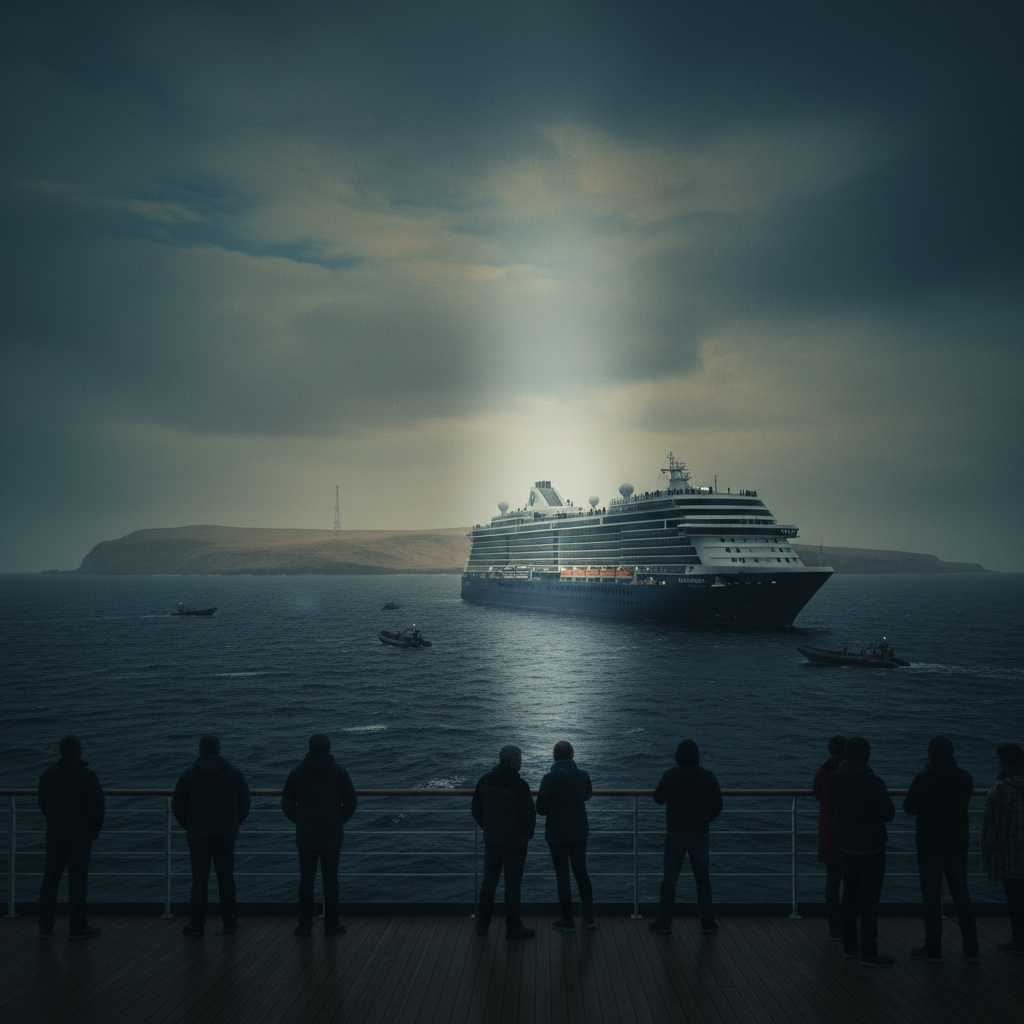
Passengers Describe Life in Extended Quarantine
Passengers aboard the MV Hondius Andes, anchored off Praia, Cape Verde, since May 2026, continue to report challenging conditions as the vessel navigates an ongoing hantavirus outbreak. Verified accounts, shared with wire services, describe a period of extended isolation, limited movement, and the psychological toll of uncertainty. Early reports from passengers indicated stringent containment measures, including prolonged cabin confinement. While some restrictions have reportedly eased over time for those deemed asymptomatic, the overall atmosphere remains one of heightened vigilance. Access to open deck areas and communal spaces has been subject to strict scheduling and capacity limits, as confirmed by communications from the ship operator, Hondius Cruises. Medical staff, described as dedicated, have been observed managing symptom monitoring and providing care, though the specifics of medical protocols are not publicly detailed by the operator.
Operator's Communication Strategy Under Scrutiny
Communications from Hondius Cruises to passengers and their families have been a recurring point of concern. Initial messages were primarily focused on immediate health advisories and containment protocols. As the situation evolved, passengers reported receiving updates on health screenings, operational changes, and, eventually, disembarkation plans. But, the consistency and clarity of these communications have been varied, according to multiple passenger testimonies. Families ashore have often sought information directly from their loved ones onboard, citing a perceived lack of comprehensive and timely updates from the cruise line. Hondius Cruises has maintained a public portal for family inquiries and has issued periodic statements via maritime news outlets and its own corporate channels, acknowledging the difficulties and emphasizing passenger and crew safety as paramount. These statements often reiterate adherence to international health guidelines and collaboration with relevant health authorities, including the World Health Organization (WHO) and Africa Centres for Disease Control and Prevention (Africa CDC).
Evolving Disembarkation Logistics
The disembarkation process for the MV Hondius Andes has been complex, marked by several adjustments since the initial anchoring. Early plans focused on a phased approach, prioritizing individuals based on health status and nationality, in coordination with their respective national governments and international health bodies. The International Maritime Organization (IMO) has been involved in facilitating discussions regarding port state responsibilities and the safe transit of vessels during health crises. As of late September 2026, disembarkation continues to be a carefully managed operation. Passengers cleared for departure undergo rigorous health screenings, including multiple rounds of testing for hantavirus markers, as per protocols established with national health agencies. Medical evacuation procedures have been in place for those requiring hospitalization ashore, coordinated with Cape Verdean health authorities and international medical aid organizations. Repatriation flights, once arranged, are typically charter services, with strict bio-containment measures in place during transit, as reported by individuals returning to their home countries. Challenges include coordinating with a multitude of international jurisdictions, ensuring onward travel arrangements. Managing the psychological impact on passengers who have endured an extended period of uncertainty and isolation. The process highlights the intricate web of international cooperation required to manage public health emergencies on global transportation platforms.
Continued Monitoring and Support
Upon disembarkation, passengers are typically advised or mandated to undergo further periods of self-monitoring or quarantine in their home countries, depending on local health regulations and their exposure risk profile. This post-disembarkation phase is critical for preventing further transmission and ensuring the long-term health of individuals who were on board. Public health agencies in various nations, including the U.S. Centers for Disease Control and Prevention (US CDC) and the European Centre for Disease Prevention and Control (ECDC), have been providing guidance to their citizens returning from the vessel. The MV Hondius Andes situation serves as a stark reminder of the complexities inherent in managing novel disease outbreaks in confined, international environments. The experiences of its passengers underscore the critical need for clear, consistent communication and strong logistical frameworks in global health emergencies.



