Hondius Andes Passengers Detail Isolation, Communication Gaps Amidst Hantavirus Outbreak
Accounts from the MV Hondius Andes reveal passenger challenges during extended quarantine, highlighting communication frustrations and evolving disembarkation plans as the hantavirus situation off Cape Verde persists.
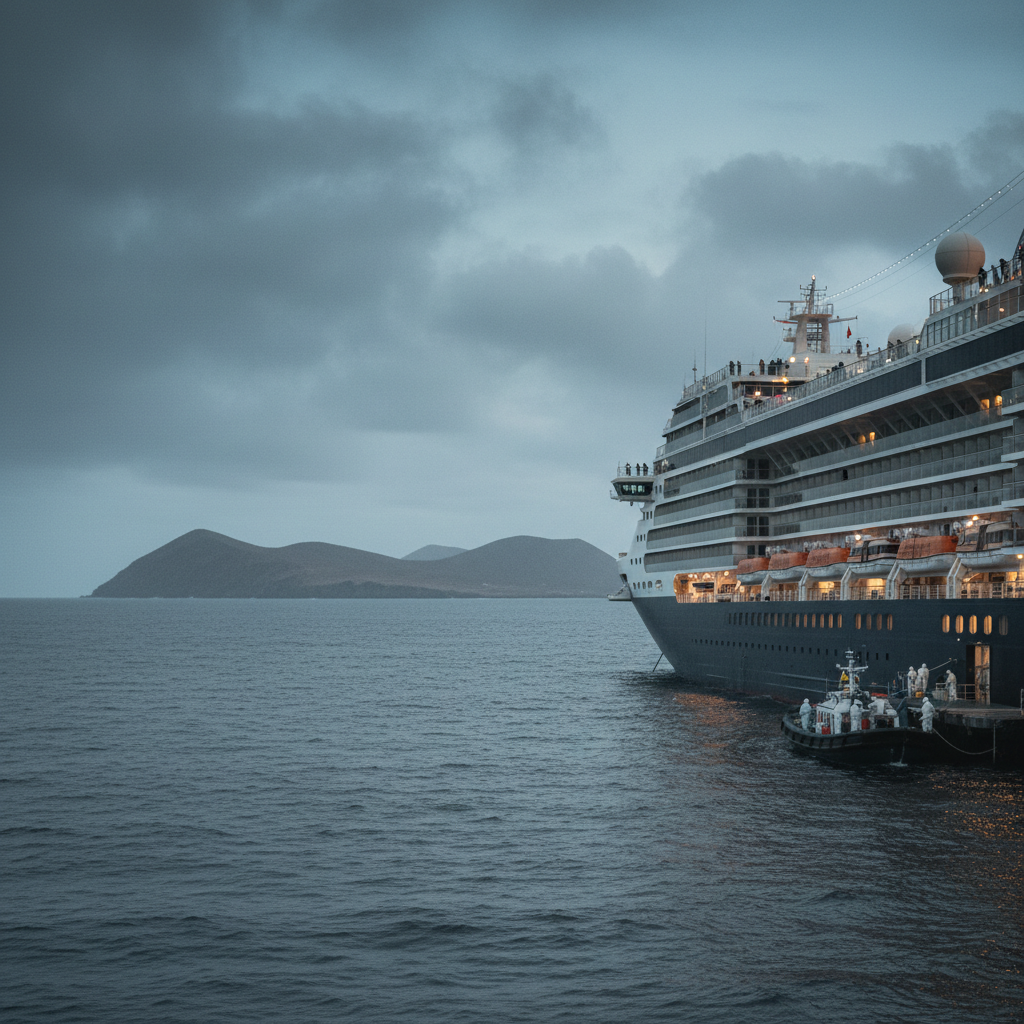
MV Hondius Andes: Passenger Voices from Prolonged Quarantine
Passengers aboard the MV Hondius Andes, anchored off Praia, Cape Verde, since May 2026, have begun to share their experiences of prolonged quarantine following the confirmed hantavirus outbreak. These accounts, compiled from limited satellite communications and verified channels, paint a picture of isolation, evolving information, and logistical complexities surrounding eventual disembarkation. The initial days of the outbreak saw swift implementation of isolation protocols onboard. Publicly reported communications from the ship's operator, Ocean Explorer Expeditions, indicated a move to sequester symptomatic individuals and their close contacts. Passengers describe being largely confined to their cabins, with meals delivered and limited opportunities for movement within designated 'clean' zones, if any. Access to fresh air and outdoor decks has been a recurring point of concern among those communicating externally.
Communication Challenges and Operator Response
One of the most consistent themes emerging from passenger accounts is the fluctuating nature of communication from the ship's command and the operating company. While daily updates were reportedly provided, passengers describe these as sometimes general or delayed, leading to anxiety and speculation. The digital divide onboard, with limited and costly internet access, further exacerbated feelings of isolation and complicated attempts by passengers to communicate with family members ashore. Ocean Explorer Expeditions has publicly stated its commitment to passenger safety and well-being, acknowledging the challenging circumstances. Their communications have focused on coordinated efforts with international health authorities, including the World Health Organization (WHO) and Africa CDC, to manage the outbreak and plan for safe repatriation. The company has reportedly established a dedicated hotline for family members ashore, though feedback on its effectiveness varies.
Evolving Disembarkation Logistics
Disembarkation has been a primary concern for all parties involved. Initial plans for medical evacuation of severe cases were executed with the assistance of local and international medical teams. But, the wider disembarkation of asymptomatic or recovered passengers has proven to be a complex, multi-layered logistical challenge. International guidelines for managing infectious disease outbreaks on vessels, including those from the WHO and the International Maritime Organization (IMO), mandate stringent health screenings and often isolation periods before individuals are permitted to enter a new country. The hantavirus, with its incubation period, necessitates careful monitoring. As of late August 2026, details on mass disembarkation remain fluid. Reports suggest a phased approach, potentially involving transfer to a shoreside isolation facility in Cape Verde or direct repatriation via specially chartered flights, contingent on rigorous health clearances and agreement from destination countries. The lack of clarity on disembarkation timelines has been a bigly source of stress for passengers. Sources close to the ongoing negotiations between Ocean Explorer Expeditions, the Cape Verdean government. Various international health bodies confirm that the primary hurdles include securing entry permissions from passengers' home countries, coordinating international medical escorts for those requiring continued monitoring, and ensuring strong public health measures are in place to prevent further transmission.
Psychological Toll of Confinement
The extended confinement and uncertainty have inevitably taken a psychological toll. Mental health support services have reportedly been made available onboard, with some passengers accessing telehealth consultations. Advocacy groups and family members ashore have voiced concerns over the long-term mental health impact of such an extended and stressful experience. The MV Hondius Andes situation continues to be closely monitored by global health agencies.The passenger experience underscores the profound human impact of public health emergencies in confined and isolated settings, highlighting the critical need for transparent communication, strong logistical planning. Comprehensive support systems during prolonged maritime quarantines.



