Hondius Andes Passengers Detail Isolation, Communication Gaps Amidst Outbreak
First-hand accounts from disembarked passengers of the MV Hondius Andes reveal a complex picture of onboard containment, inconsistent communication, and logistical hurdles during the protracted hantavirus outbreak off Praia, Cape Verde.
Passenger Narratives Emerge After Disembarkation
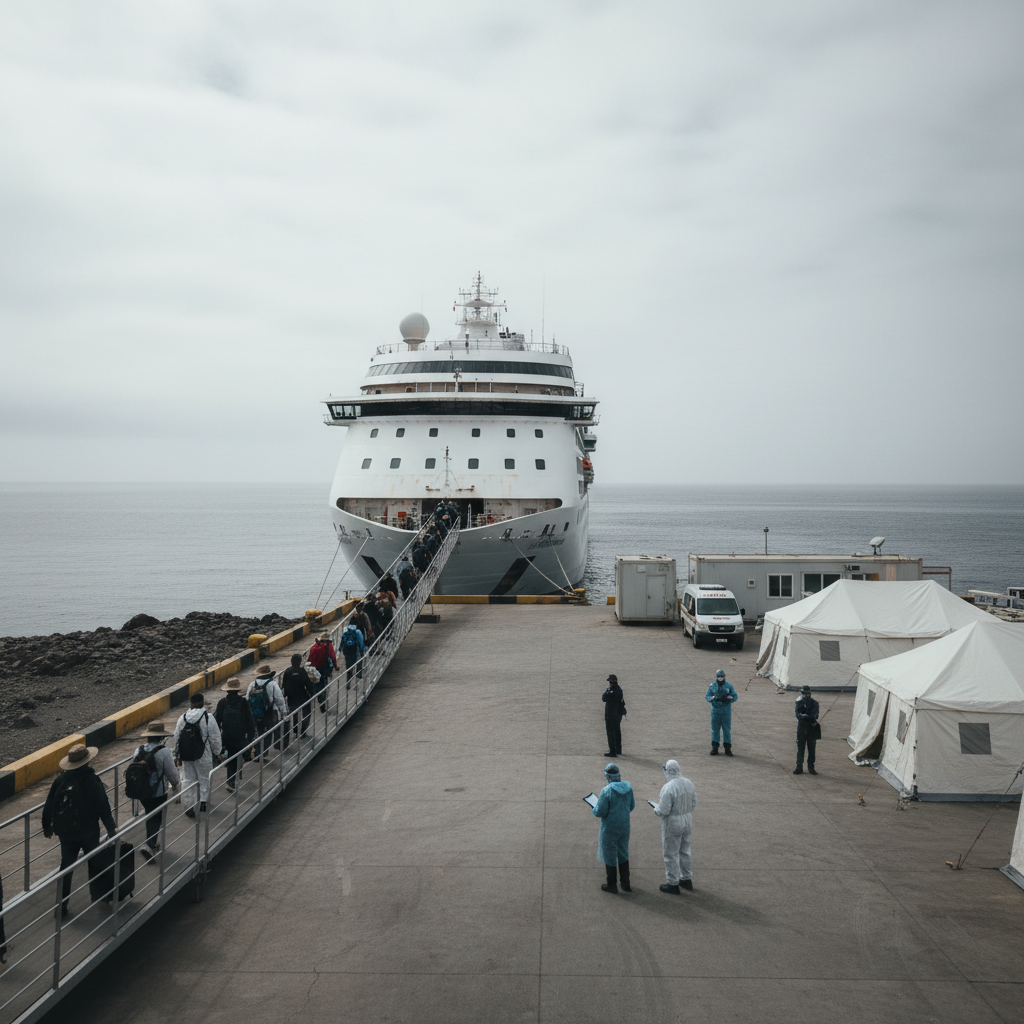
As the final cohort of passengers disembarks from the MV Hondius Andes, personal accounts are beginning to shed light on the lived experience aboard the vessel during the unprecedented hantavirus outbreak. Passengers describe a period marked by isolation, uncertainty, and varied perceptions of the operator's response since the cruise was halted in May 2026. Initial reports from passengers who have completed their quarantine periods and returned home suggest bigly challenges in maintaining morale and clarity. Many were confined to their cabins for extended durations, particularly those in close contact with suspected or confirmed cases. "The days blended together," remarked one passenger interviewed by a global news wire, describing the mental toll of prolonged confinement. Access to fresh air and communal spaces became increasingly restricted as the outbreak progressed, a measure health authorities deemed necessary to prevent further transmission.
Communication: A Mixed Experience
Communication from the cruise operator, Ocean Explorers, has been a recurring theme in passenger feedback. While some passengers reported receiving regular updates via in-cabin television announcements and printed newsletters, others felt information was scarce, delayed, or lacking in specific detail on the overall situation and their individual circumstances. "We often learned more from family members relaying news from home than from the ship's crew," a disembarked traveler stated, highlighting perceived information asymmetry. Official statements from Ocean Explorers, reiterated during press briefings, consistently emphasized transparency and passenger welfare as top priorities. The company cited the evolving nature of the health crisis and the need to verify information with international health bodies (WHO, ECDC) before dissemination as factors influencing communication speed. But, for those confined on board, the perception of a communication deficit persisted.
Disembarkation: A Staged and Complex Operation
The disembarkation process itself proved to be a complex, multi-stage operation. Following weeks of diplomatic negotiations and health protocol development involving the Cape Verdean government, the World Health Organization (WHO), and countries of origin, passengers were released in carefully managed cohorts. Priority was given to those deemed medically stable and those who had completed mandatory isolation and testing protocols without showing symptoms. Logistical challenges were bigly. Passengers were transported from the ship to designated quarantine facilities in Praia, Cape Verde, or directly to chartered flights for repatriation, depending on their health status and nationality. This required close coordination between multiple government agencies, medical teams, and diplomatic staff. Reports indicate that upon arrival at transit points, passengers underwent further health screenings, temperature checks, and sometimes additional testing as per national entry requirements.
Health Monitoring and Mental Health Support
Throughout the ordeal, medical teams on board provided care for those exhibiting symptoms. The focus was on supportive treatment, as there is no specific cure for hantavirus. Mental health support was too reportedly offered, though its reach and effectiveness varied. Passengers describe access to ship doctors and nurses for physical ailments, though the psychological impact of being isolated with a severe viral outbreak was profound for a number of. As the final passengers leave the MV Hondius Andes, the focus shifts to post-disembarkation health monitoring and investigations into the outbreak's origins. Public health bodies continue to emphasize vigilance for returning travelers, advising them to monitor for symptoms and seek immediate medical attention if they develop.
Looking Forward
The MV Hondius Andes incident is expected to prompt a comprehensive review of cruise industry protocols for managing infectious disease outbreaks in remote locations. The lessons learned from passenger experiences, communication strategies, and disembarkation logistics will be crucial for shaping future maritime health policy. Ocean Explorers has indicated full cooperation with ongoing international investigations.



