Hondius Andes Passengers Detail Onboard Experience Amid Hantavirus Outbreak
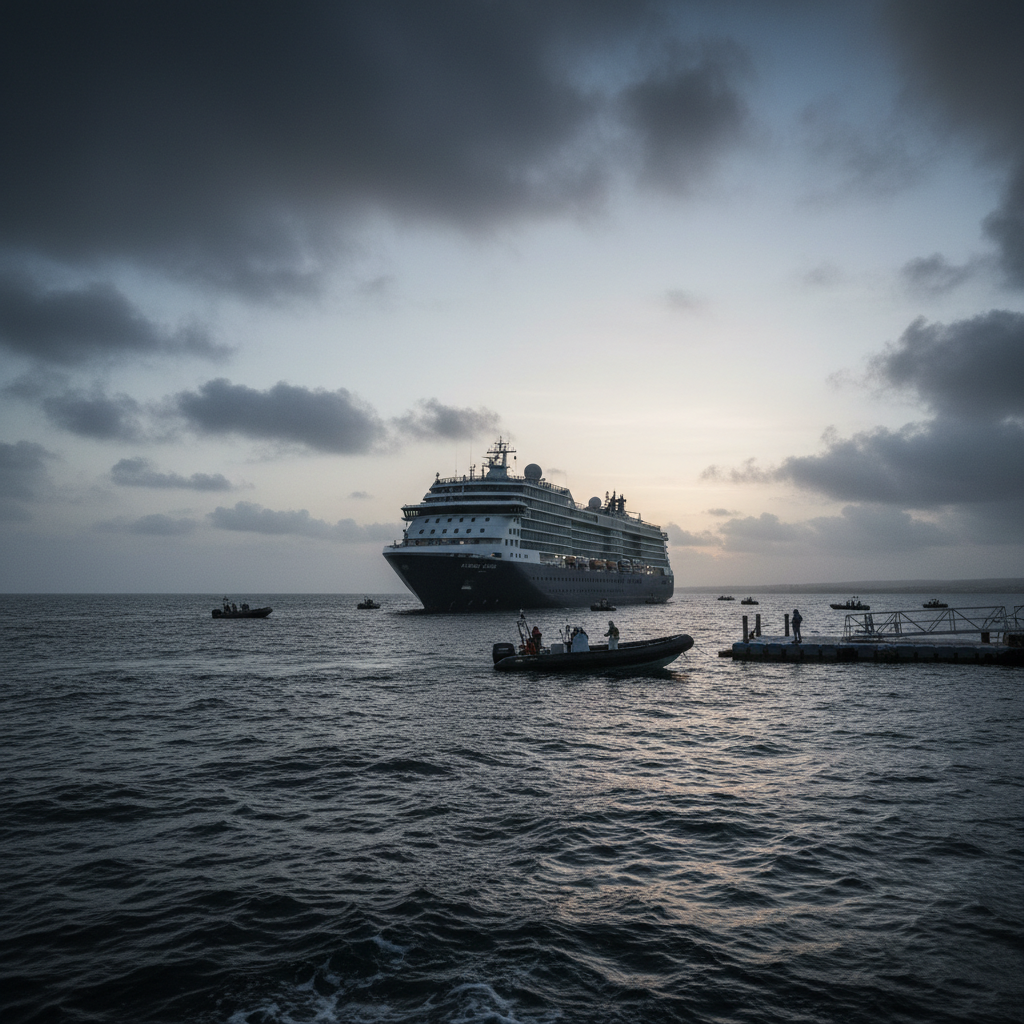
Passengers aboard the MV Hondius Andes describe extended quarantine, inconsistent communication, and complex disembarkation protocols as global health agencies monitor the hantavirus situation off Praia, Cape Verde.
Extended Quarantine Challenges Passengers
Passengers on the MV Hondius Andes, currently anchored off Praia, Cape Verde, have provided verified accounts of their prolonged experience since the hantavirus outbreak was publicly acknowledged in May 2026. Multiple describe a challenging period of extended quarantine, impacting their physical and mental well-being. Initially, the vessel implemented a ship-wide quarantine, limiting passenger movement to cabins for a bigly period. While initial restrictions were stringent, reports from onboard individuals indicate a gradual relaxation of some measures, permitting limited access to certain outdoor decks or designated areas, often under strict supervision and staggered schedules to minimize contact. This phased approach, while intended to mitigate viral transmission, has led to varying experiences among passengers regarding their perceived freedom and access to fresh air. Access to medical care on board has been a consistent concern for some, particularly those with pre-existing conditions or experiencing new symptoms. While the ship's medical facilities have been augmented by health personnel from international aid organizations, the sheer volume of individuals requiring assessment and care has reportedly strained resources at times. Passengers have communicated instances of delayed consultations or difficulties in obtaining specific medications, though these reports are unconfirmed by the ship operator or health agencies.
Operator Communications Under Scrutiny
Communication from Hondius Cruise Lines, the operator of the MV Hondius Andes, has been a recurring point of contention for many passengers. Early in the outbreak, some passengers reported receiving infrequent or vague updates on the situation, the duration of the quarantine, and the potential timeline for disembarkation. This perceived lack of transparency reportedly fueled anxiety and frustration among those on board. More recently, reports suggest an improvement in communication frequency and detail, with daily or bi-daily updates provided through the ship's internal broadcast system and direct messages to cabins. These updates reportedly cover general health advisories, symptom monitoring protocols, and preliminary information regarding disembarkation plans. Though, some passengers still express a desire for more personalized information, particularly concerning their individual travel arrangements and onward connections. Family members ashore, who have been monitoring the situation closely, have too voiced concerns on the consistency of information provided by the cruise line. While the operator maintains a dedicated helpline and website for updates, some relatives have reported difficulties in obtaining specific information on their loved ones due's health status or expected return dates.
Complex Disembarkation Logistics Underway
The disembarkation process for the MV Hondius Andes is proving to be a highly complex logistical undertaking, involving multiple international agencies and government bodies. As of early September 2026, a phased disembarkation strategy is being implemented, prioritizing passengers based on health status, nationality, and onward travel arrangements. Passengers identified as asymptomatic and having completed the requisite quarantine period are being processed first. This involves comprehensive health screenings, including repeat testing for hantavirus, before being cleared for departure. Travel arrangements are being coordinated with respective national governments and airlines, with chartered flights organized to repatriate passengers to their home countries. Several governments are reportedly requiring further quarantine periods upon arrival in their home nations, adding another layer of complexity for travelers. For passengers who have tested positive for hantavirus or are displaying symptoms, medical isolation and specialized transportation protocols are in effect. These individuals are being transferred to onshore medical facilities in Cape Verde or, in some cases, to designated medical transport vessels, depending on the severity of their condition and the availability of specialized care. The World Health Organization (WHO) and Africa Centres for Disease Disease Control and Prevention (Africa CDC) have been providing technical guidance to Cape Verdean authorities on managing these transfers and ensuring appropriate infection control measures are maintained. The International Maritime Organization (IMO) has been coordinating with member states to ensure safe passage and port access for the vessel and any subsequent medical evacuations or repatriations.Challenges include securing sufficient air travel capacity, managing customs and immigration procedures for a large and diverse group of nationalities. Ensuring continued health monitoring for all individuals post-disembarkation. The process is expected to continue for several more weeks, underscoring the unprecedented nature of this maritime health crisis.
Sources
- WHO | World Health Organization
- Africa CDC | Africa Centres for Disease Control and Prevention
- IMO | International Maritime Organization
- Reuters | Breaking International News & Views
- AP | The Associated Press
- BBC News | Home
- ECDC | European Centre for Disease Prevention and Control
- CDC | Centers for Disease Control and Prevention



