Hondius Andes Passengers Detail Onboard Experience Amid Hantavirus Outbreak; Disembarkation Plans Emerge
Passengers aboard the MV Hondius Andes share experiences of isolation and uncertainty as operator, Andes Cruises, outlines complex repatriation logistics. International health bodies continue monitoring the evolving situation off Praia.
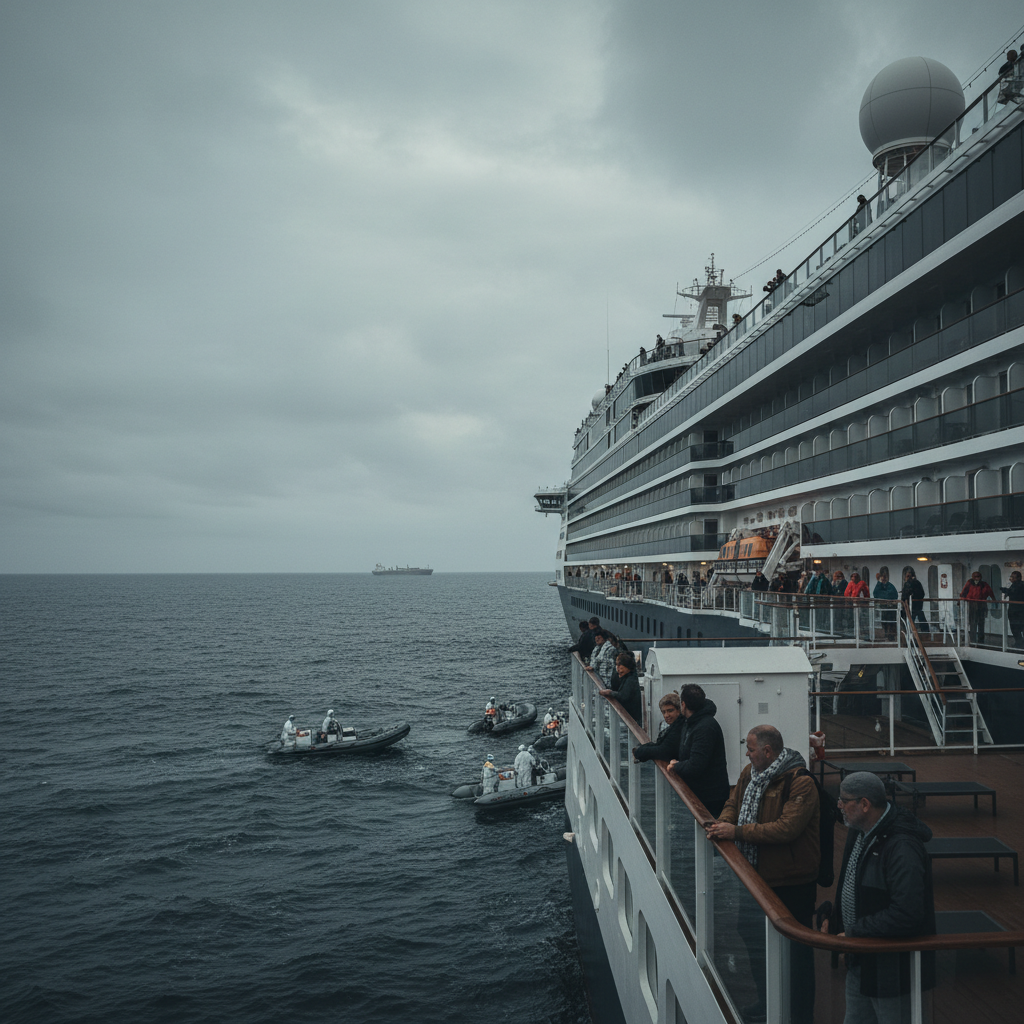
Passenger Accounts Shed Light on Life Aboard MV Hondius Andes
For nearly five months, passengers aboard the MV Hondius Andes have faced unprecedented circumstances, anchored off the coast of Praia, Cape Verde, since May 2026. Verified accounts from individuals on the vessel, communicated through limited channels, paint a picture of varying experiences ranging from isolation to resilience, all underscored by uncertainty regarding their eventual return home. Early communications from passengers described a period of initial confusion, followed by the implementation of stringent public health protocols. These included widespread testing, isolation of symptomatic individuals, and enhanced sanitation measures. "Life onboard became a routine of health checks and waiting for updates," one passenger reportedly communicated to a family member, as cited by a reputable news agency. Food and medical supplies, while reportedly maintained, were a consistent point of concern for those on board. Andes Cruises, the ship's operator, has publicly stated its commitment to ensuring passenger well-being, confirming regular resupply operations coordinated with local and international partners. But, the psychological toll of prolonged confinement and health risks has been a bigly challenge. Mental health support services have been reportedly augmented, with virtual consultations and welfare checks becoming standard practice.
Operator Communications and Evolving Repatriation Strategy
Andes Cruises has faced intense scrutiny regarding its handling of the crisis and its communication strategy. Initial communications were criticized for a lack of transparency, a point the company has since acknowledged. More recently, the operator has begun issuing regular, albeit carefully worded, updates to passengers and their families, outlining the complexities of the disembarkation process. The primary hurdle for disembarkation has been the strong quarantine requirements mandated by various nations for returning citizens, coupled with the need for coordinated medical assessments and logistical planning for a large, potentially exposed population."The safety of our passengers and crew. The public health of the nations involved, remain our paramount concerns," a spokesperson for Andes Cruises stated in a recent press release, without divulging specific numbers or timelines. As of October 2026, the operator has confirmed that phased disembarkation plans are being finalized in conjunction with international health organizations and national governments. These plans are expected to prioritize passengers based on health status, nationality, and destination country's entry requirements. The use of charter flights, following rigorous health screenings and further quarantine periods upon arrival, is a key component of the proposed strategy.
Disembarkation Logistics: A Complex International Undertaking
The logistics of disembarking hundreds of passengers from the MV Hondius Andes represent an unprecedented challenge in maritime public health. The International Maritime Organization (IMO) has been involved in discussions to help safe and orderly repatriation, emphasizing adherence to international health regulations. Medical teams from the World Health Organization (WHO) and regional health bodies, including the Africa Centres for Disease Control and Prevention (Africa CDC), have been providing technical assistance on board. Their roles include overseeing testing protocols, confirming health status, and advising on safe transport procedures. The US Centers for Disease Control and Prevention (US CDC) has as well been consulted given the bigly number of American nationals aboard. Disembarkation will likely involve dedicated medical escorts, staggered departures, and stringent bio-containment measures during transit. Authorities in Praia, Cape Verde, continue to provide critical port support, despite the vessel remaining offshore. The timing of the first phase of disembarkation remains unconfirmed, with officials indicating that it's contingent on final agreements between all involved governmental and health agencies. Important context: the global health community remains vigilant, underscoring the necessity of careful planning to prevent further transmission of hantavirus and ensure the welfare of all individuals involved. The MV Hondius Andes incident continues to highlight the complex interplay between public health, maritime operations, and international cooperation in a globalized world.



