Hondius Andes Passengers Detail Onboard Ordeal Amid Disembarkation Plans
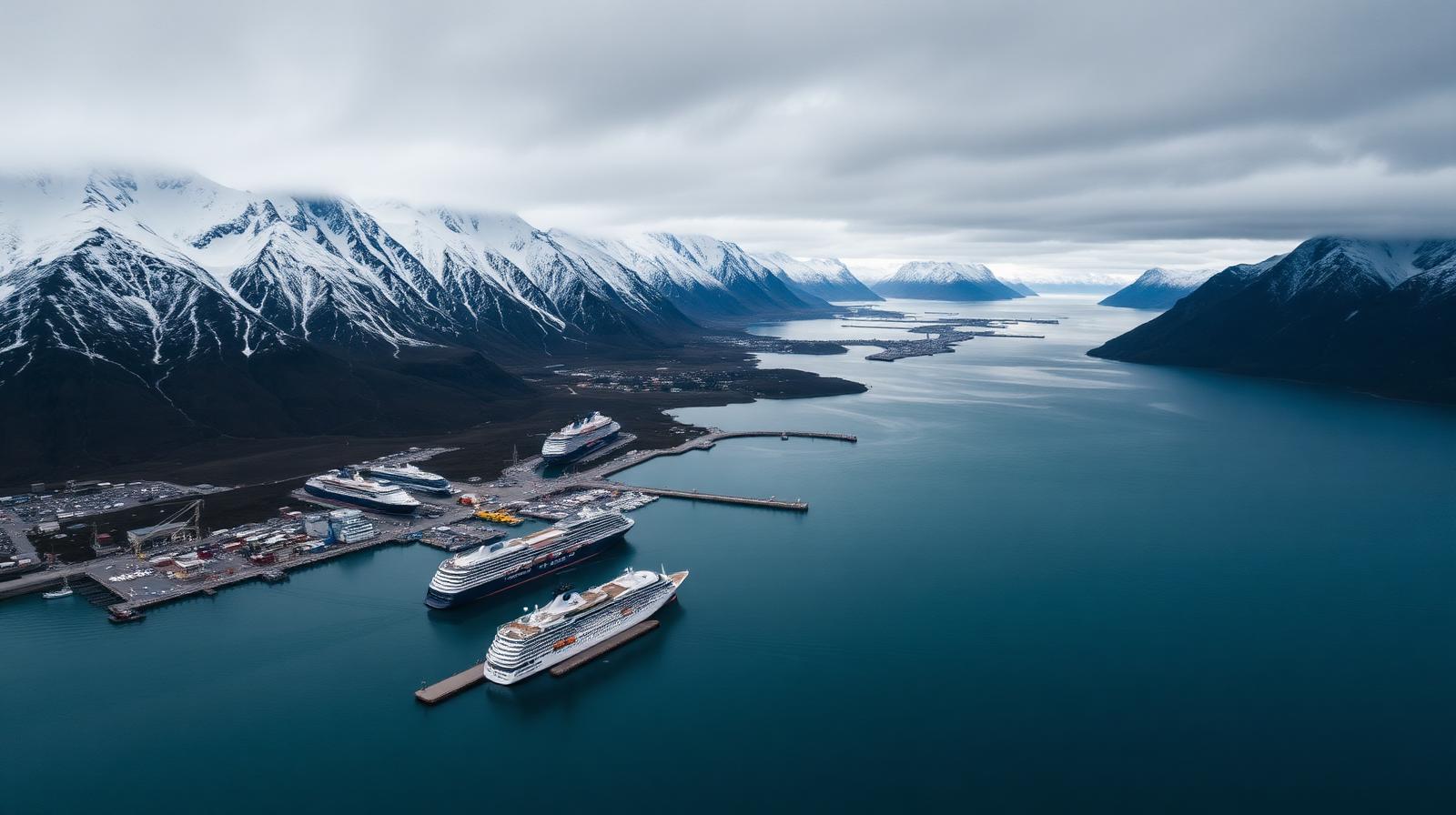
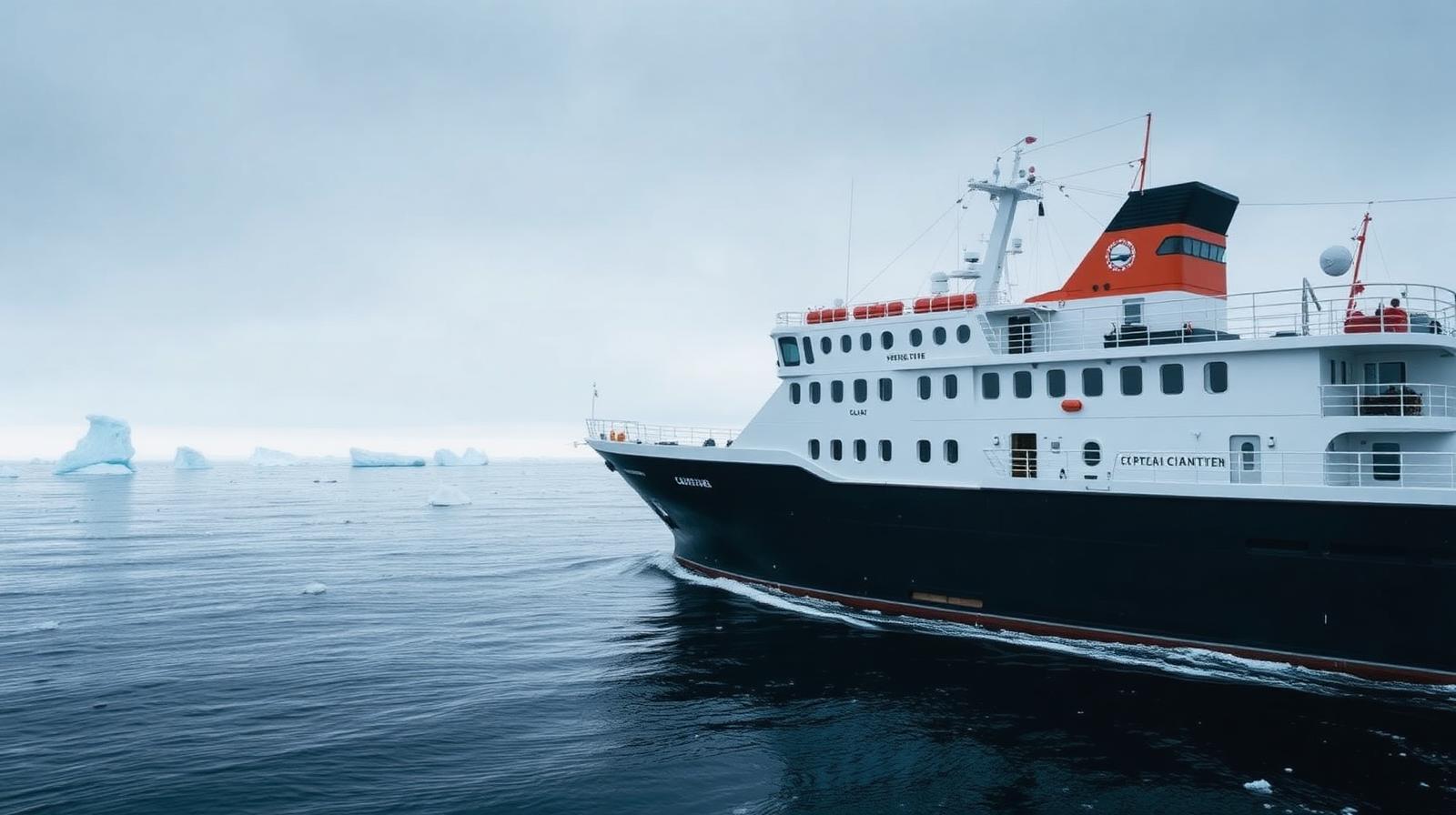
Passengers aboard the MV Hondius Andes describe prolonged isolation and communication gaps as authorities finalize complex repatriation logistics, seven months after the hantavirus outbreak began off Praia, Cape Verde.
Passenger Accounts Emerge from MV Hondius Andes
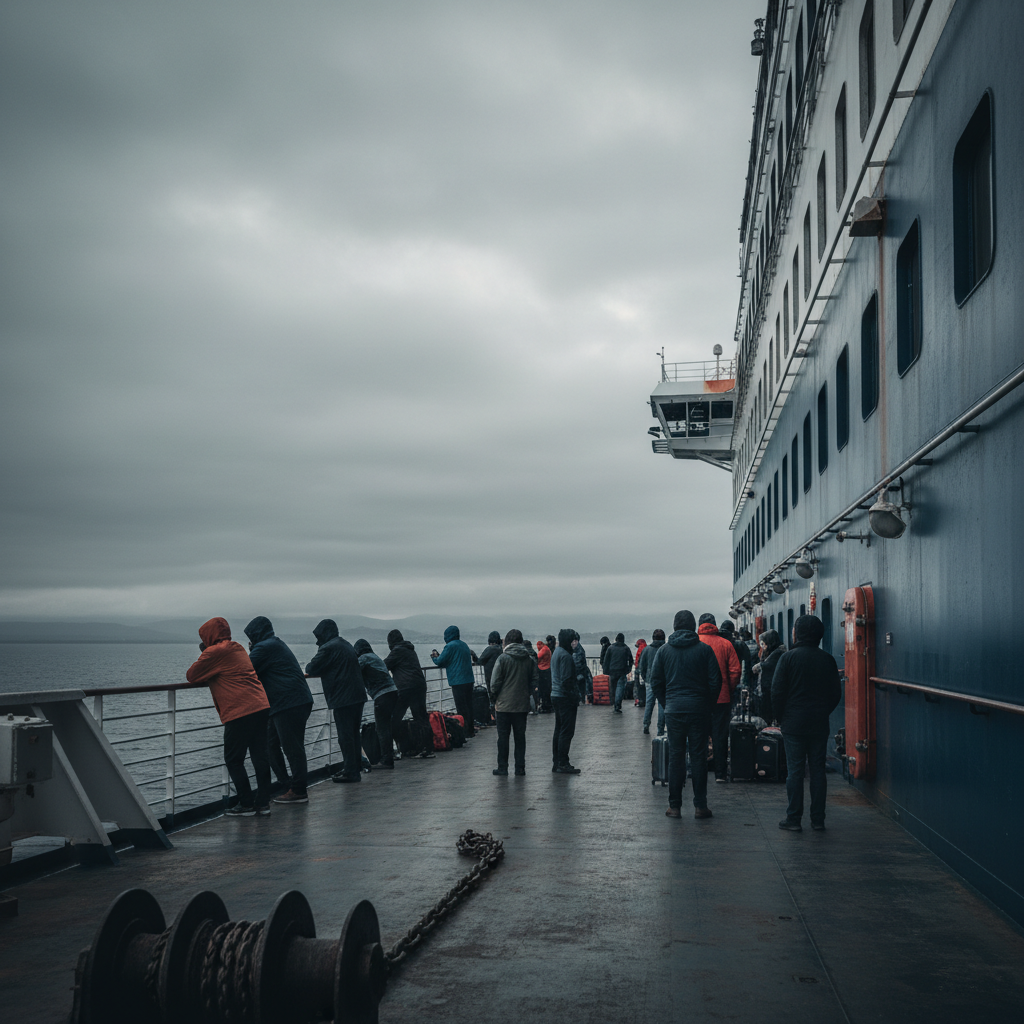
Seven months into the unprecedented hantavirus outbreak aboard the MV Hondius Andes, passengers are beginning to share their prolonged experiences, painting a picture of isolation, anxiety. A slow, often opaque, communication process from the ship's operator, Hondius Cruises. Anchored off Praia, Cape Verde, since May 2026, the vessel has become a focal point of international public health and maritime concern. Initial reports from passengers, communicated through limited secure channels and Then verified by health authorities overseeing the vessel, describe an initial period of confusion followed by strict quarantine protocols. "The first weeks were particularly challenging," one passenger reportedly communicated, highlighting the sudden shift from a holiday cruise to an unexpected, indefinite confinement. These early accounts suggest varying access to information and medical support, depending on the passenger's deck and cabin location. As the situation evolved, general health surveillance and medical services on board reportedly intensified.Public health officials, including representatives from the World Health Organization (WHO) and the Africa Centres for Disease Control and Prevention (Africa CDC), have maintained a consistent presence or oversight, ensuring the implementation of protocols for testing, isolation. Patient care. But, the psychological toll of extended confinement and uncertainty has been a recurring theme in passenger observations.
Operator Communications and Evolving Protocols
Hondius Cruises, the operator of the MV Hondius Andes, has faced scrutiny over its communication strategy during the crisis. Early communications were reportedly focused on immediate health advisories and operational updates, often relayed through the ship's public address system and internal messaging platforms. Passengers reported a desire for more frequent, transparent, and personalized updates regarding their health, the status of the outbreak, and, crucially, disembarkation plans. In recent months, communication efforts by Hondius Cruises have reportedly become more structured, including regular online briefings and dedicated helplines. These efforts aim to address the growing psychological needs of those onboard and provide clarity on the complex logistical challenges. The company has publicly reiterated its commitment to the well-being of its passengers and crew, emphasizing adherence to international health regulations and collaboration with global health bodies. The International Maritime Organization (IMO) has also been involved in discussions surrounding the welfare of those onboard, working to ensure compliance with maritime labor conventions for the crew and safety regulations for all. One detail: the prolonged nature of the incident has highlighted the complexities of managing such health emergencies in an international maritime context.
Disembarkation Logistics: A Phased Approach
Disembarkation for the remaining passengers and crew on the MV Hondius Andes is reportedly being planned as a carefully phased operation. Public statements from relevant authorities, including the Cape Verdean Ministry of Health, indicate a multi-stage process designed to mitigate further spread of the hantavirus and ensure the safe repatriation of individuals. Key elements of the proposed disembarkation plan include:
- Health Screening: Comprehensive health assessments, including repeated hantavirus testing, will be conducted for all individuals before disembarkation. Only those with confirmed negative results and no symptoms will be cleared for onward travel. * Isolation Facilities: Contingency plans for isolation and medical care are reportedly in place in Cape Verde for any individuals who may test positive or develop symptoms during the disembarkation process. * Repatriation Flights: Coordinated charter flights are being arranged to transport passengers to their home countries, with strict health protocols in place for air travel, including manifest health checks and limited contact. * Crew Repatriation: Similar rigorous protocols are being developed for the repatriation of the multinational crew, in coordination with their respective national authorities and Hondius Cruises. * Vessel Decontamination: Following the complete disembarkation of all individuals, the MV Hondius Andes is expected to undergo an extensive and specialized decontamination process, overseen by public health and environmental experts, before it can return to service. The logistical challenges are immense, involving multiple international governments, health organizations, and transportation providers. Here's the thing: the timeline for full disembarkation remains fluid, dependent on ongoing health assessments and the successful coordination of international efforts.As of October 2026, a definitive end date for the entire process has not yet been publicly released. Efforts are reportedly intensifying to conclude this unprecedented maritime health crisis.