Hondius Andes Passengers Detail Onboard Ordeal, Disembarkation Challenges
Passengers from the MV Hondius Andes, anchored off Praia, Cape Verde since May 2026, are sharing first-hand accounts of life during the prolonged hantavirus outbreak, while operator Albatros Expeditions faces mounting questions regarding communications and the complex logistics of disembarkation.
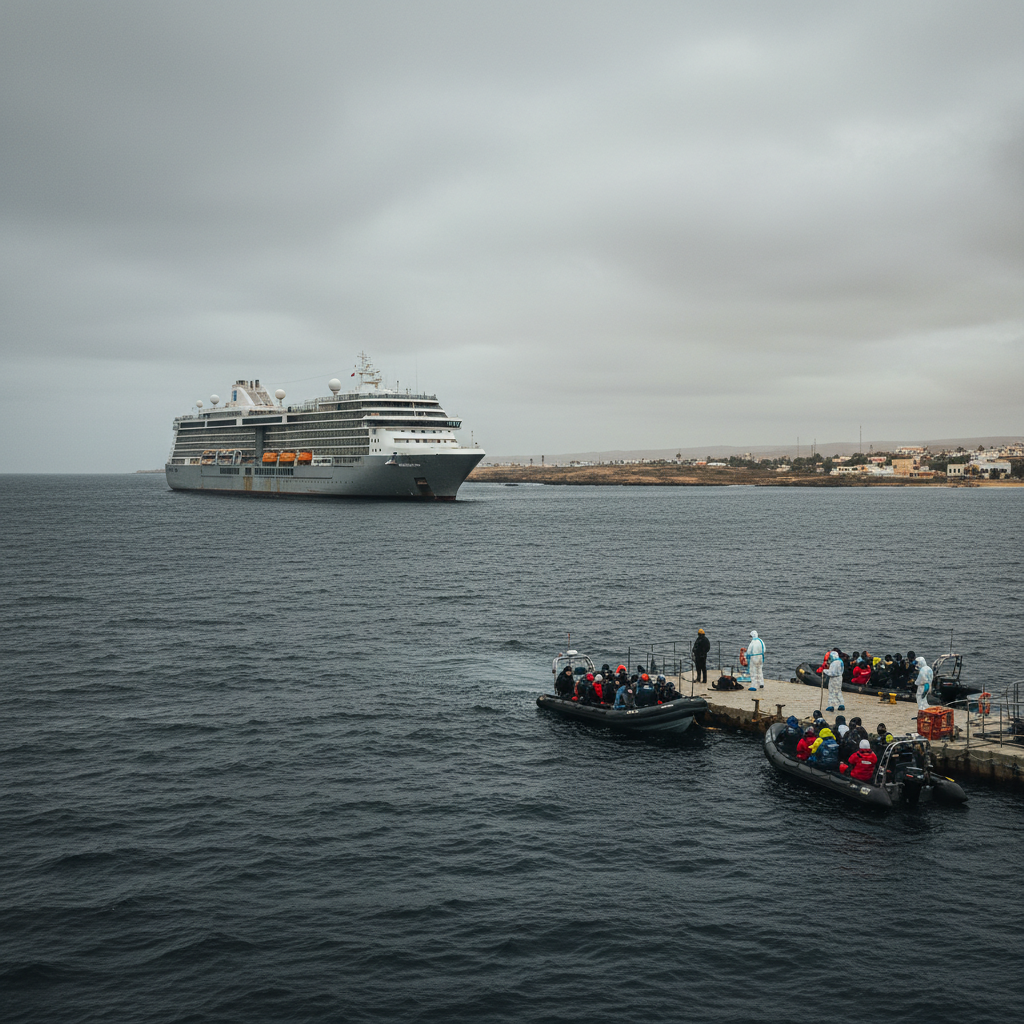
Hondius Andes: A Prolonged Maritime Quarantine
PRAIA, CAPE VERDE – As the MV Hondius Andes remains anchored off the coast of Praia, Cape Verde, for over three months following a confirmed hantavirus outbreak, first-hand accounts from passengers are beginning to paint a detailed picture of the extended quarantine. These narratives, often shared through limited satellite communications, describe a complex blend of medical isolation, information scarcity, and the logistical hurdles of an unprecedented disembarkation process. From early May 2026, when the outbreak was first recognized, passengers have navigated evolving onboard protocols. Initial reports indicated immediate isolation measures for those exhibiting symptoms, followed by widespread sanitation efforts across the vessel. Passengers have described restricted movement within designated zones, staggered meal times, and intensified health screenings. "The daily health checks became routine," one passenger anonymously shared, via a family member, "though the uncertainty about when this would end was the hardest part."
Operator Communications Under Scrutiny
Albatros Expeditions, the operator of the Hondius Andes, has been the primary source of official communication for those onboard and their anxious families ashore. These communications, initially focused on reassuring passengers and detailing health protocols, have evolved to address the prolonged nature of the situation. Public statements from Albatros Expeditions have consistently emphasized adherence to guidance from international health organizations and Cape Verdean authorities. But, several passengers and their relatives have expressed frustration on the consistency and clarity of information. Concerns have been raised on the perceived delays in receiving updates, particularly concerning the timeline for disembarkation and the availability of specific medical support. "We often learned more from news reports than from the ship's daily announcements," another passenger's relative stated, highlighting a common sentiment of information asymmetry. The company has maintained that it's providing information as swiftly and accurately as possible, balancing operational requirements with the sensitive nature of the health crisis.
The Disembarkation Dilemma
The process of disembarking passengers from the Hondius Andes has proven to be an intricate and complex challenge, necessitating collaboration between Albatros Expeditions, Cape Verdean health and port authorities. International bodies such as the World Health Organization (WHO) and the European Centre for Disease Prevention and Control (ECDC). The primary hurdle has been ensuring that disembarkation occurs without facilitating further transmission of the hantavirus, which has no specific treatment and can be severe. Logistical planning has centered on several key elements: comprehensive health assessments for all passengers before departure from the ship, including PCR testing as deemed appropriate by health officials; the arrangement of specialized transportation, often requiring chartered flights or ships, to transport individuals to their home countries; and the coordination of post-disembarkation monitoring protocols. Passengers exhibiting any symptoms, or those who have had close contact with confirmed cases, have faced stricter isolation and monitoring requirements, further complicating the process. Initial phases of disembarkation, reported in late July and early August, prioritized individuals deemed at lower risk or those requiring urgent medical attention not related to hantavirus, under strict medical escort. Yet, the majority of passengers have remained onboard, awaiting clearance.
International Coordination and Support
The protracted nature of the Hondius Andes situation has underscored the critical role of international cooperation in managing maritime health emergencies. WHO has provided technical guidance to Cape Verdean authorities on epidemiological investigation, infection control, and risk communication. The ECDC has similarly offered expertise, particularly concerning the safe return of European citizens. The US Centers for Disease Control and Prevention (US CDC) has also been involved in coordinating the repatriation of US nationals. Disembarkation logistics have included arrangements for medical professionals to accompany groups of passengers, ensuring continuous health oversight until their arrival at designated facilities in their home countries. Upon arrival, national health authorities have assumed responsibility for monitoring, in line with international health regulations. As of early September 2026, a bigly number of passengers reportedly remain aboard the MV Hondius Andes, awaiting final clearance for disembarkation. The process, described by officials as unprecedented in its scale and complexity for a hantavirus outbreak at sea, continues to test the resolve of those onboard and the capacities of global health and maritime agencies.
Future Implications
The experience of the MV Hondius Andes is anticipated to prompt a review of international protocols for managing infectious disease outbreaks on cruise vessels, particularly in situations involving pathogens with unique transmission characteristics like hantavirus. Questions around liability, insurance, and the long-term psychological impact on passengers and crew are also expected to emerge as the crisis eventually resolves.
Sources
- World Health Organization (WHO): https://www.who.int/
- European Centre for Disease Prevention and Control (ECDC): https://www.ecdc.europa.eu/
- Africa Centres for Disease Control and Prevention (Africa CDC): https://africacdc.org/
- US Centers for Disease Control and Prevention (US CDC): https://www.cdc.gov/
- Reuters: https://www.reuters.com/
- Associated Press (AP): https://apnews.com/
- BBC News: https://www.bbc.com/



