Hondius Andes Passengers Detail Onboard Ordeal, Disembarkation Logistics Under Scrutiny
Firsthand accounts from MV Hondius Andes passengers highlight challenging conditions and evolving communication protocols during the hantavirus outbreak. Disembarkation efforts face complex logistical hurdles.
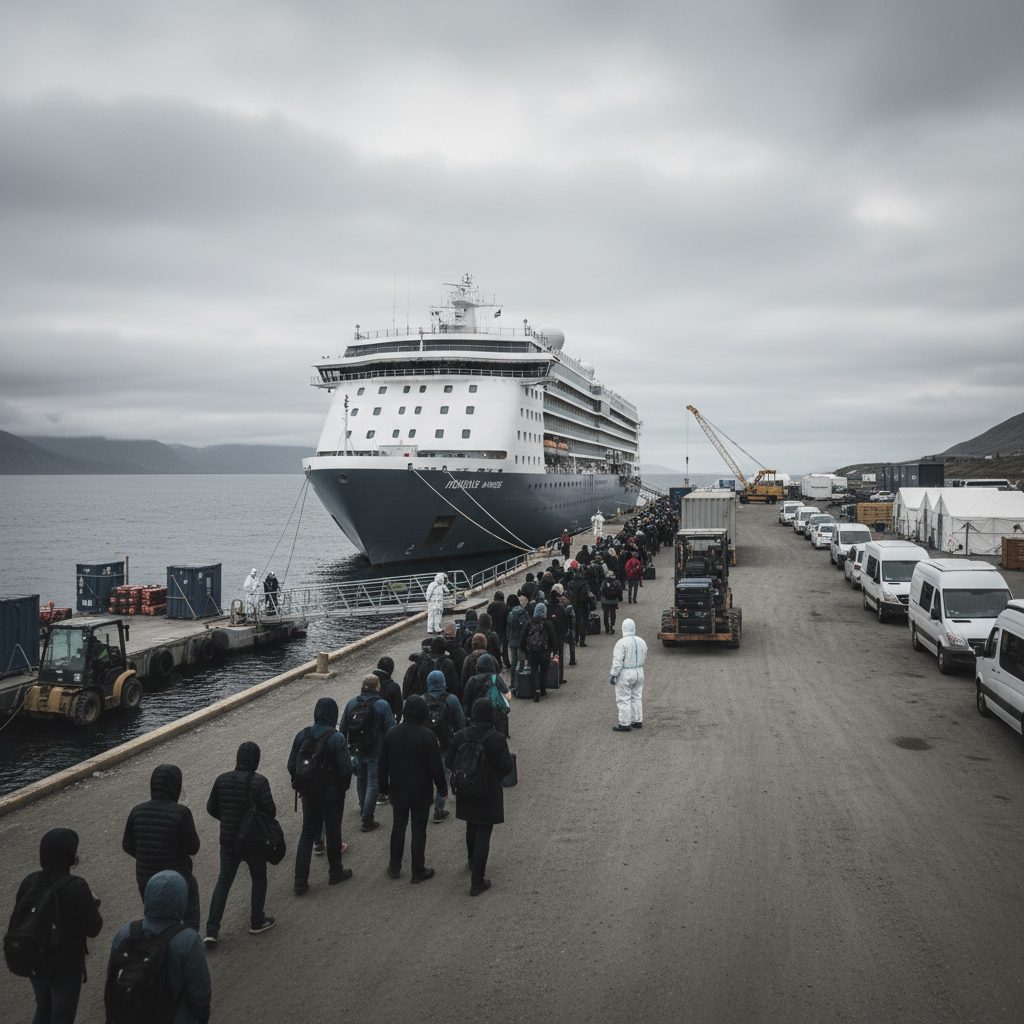
MV Hondius Andes Passengers Share Onboard Experiences Amidst Outbreak
Passengers aboard the MV Hondius Andes, currently anchored off Praia, Cape Verde, have begun to share their experiences from the past four months, painting a picture of evolving conditions and complex logistical challenges. As the hantavirus outbreak response continues, the focus is shifting towards the long-term impact on those who were onboard and the intricacies of their eventual return home.
Communication and Confinement
Initial reports from passengers indicate a period of uncertainty during the early stages of the outbreak response. Verified accounts describe varying levels of access to information, with some passengers reporting delays in receiving comprehensive updates from the ship's operator, Hondius Cruises. These accounts often cite reliance on limited internet connectivity or direct communication from family members on shore for broader context on the developing situation. As the outbreak progressed, passengers describe increased communication from the cruise line, including daily announcements and printed bulletins detailing health protocols, medical services available onboard. Efforts to manage the situation. Many accounts speak of prolonged periods of cabin confinement, a necessary measure to mitigate viral transmission. While essential for public health, this confinement reportedly led to bigly psychological strain for some, with concerns about mental health support being a recurring theme in passenger testimonials.
Life Aboard: Challenges and Support
Daily life aboard the MV Hondius Andes, once a vessel for adventure, transformed into an environment of strict health protocols. Passengers report enhanced cleaning regimes, distribution of personal protective equipment, and regular health checks. Despite these measures, the inherent stress of a contained outbreak, coupled with prolonged uncertainty, remained a pervasive factor.Hondius Cruises has communicated efforts to provide psychological support services, including access to counselors via telemedicine. The effectiveness and reach of these services are still being evaluated through passenger feedback. Access to amenities varied as public spaces were progressively restricted or repurposed. Dining services, for instance, transitioned from communal settings to cabin delivery or staggered, socially distanced arrangements. The availability of medical care for non-hantavirus related issues too became a point of concern for some passengers, as onboard medical facilities primarily focused on the outbreak response.
Operator's Response and Transparency
Hondius Cruises has consistently stated its commitment to passenger welfare and safety. Public statements from the operator, reviewed by this desk, have emphasized cooperation with international health authorities including the World Health Organization (WHO) and the Africa Centres for Disease Control and Prevention (Africa CDC). The company has detailed efforts to enhance sanitation, provide medical care, and help communication with passengers and their families. But, the perceived transparency of these communications has been a point of contention for some passengers, who sought more proactive and detailed updates, particularly concerning the timeline for disembarkation and long-term care plans.
The Disembarkation Conundrum
One of the most complex aspects of the MV Hondius Andes situation is the logistics of disembarkation. As of [2026-09-10], a staggered disembarkation plan remains under active development and coordination between Hondius Cruises, the Cape Verdean government, and international health bodies. The primary challenges include:
- Health Screening and Certification: Ensuring all disembarking passengers are medically cleared and certified free of hantavirus infection or deemed no longer infectious, requiring multiple rounds of testing and observation periods. 2. Repatriation Logistics: Arranging safe and coordinated international travel for passengers from diverse nationalities, often requiring charter flights and collaboration with respective national health and diplomatic services. 3. Quarantine Requirements: Navigating differing quarantine policies in passengers' home countries, which may necessitate further isolation upon arrival. 4. Medical Transfer: Specific arrangements for passengers requiring continued medical care or transfer to land-based facilities for ongoing observation or treatment. 5. Crew Disembarkation: A separate, equally complex process for the ship's crew, considering their roles, exposure, and diverse nationalities. Both the International Maritime Organization (IMO) and the WHO have provided guidance on managing outbreaks on ships and facilitating safe disembarkation and repatriation during public health emergencies. But, the scale and duration of the MV Hondius Andes incident present unique challenges that test the limits of existing protocols.
Looking Ahead
The ongoing situation aboard the MV Hondius Andes serves as a critical case study for global maritime health protocols and crisis management.Passenger accounts offer invaluable insights into the human element of such an outbreak, emphasizing the need for strong communication strategies, comprehensive mental health support. Agile logistical planning in future global health emergencies. The full details of the disembarkation process and its execution will continue to be a key focus for international observers and affected individuals alike.



