Hondius Andes Passengers Detail Onboard Ordeal, Disembarkation Logistics Under Scrutiny
Firsthand accounts from MV Hondius Andes passengers reveal a challenging quarantine period and complex disembarkation procedures as health officials work to contain the hantavirus outbreak off Cape Verde.
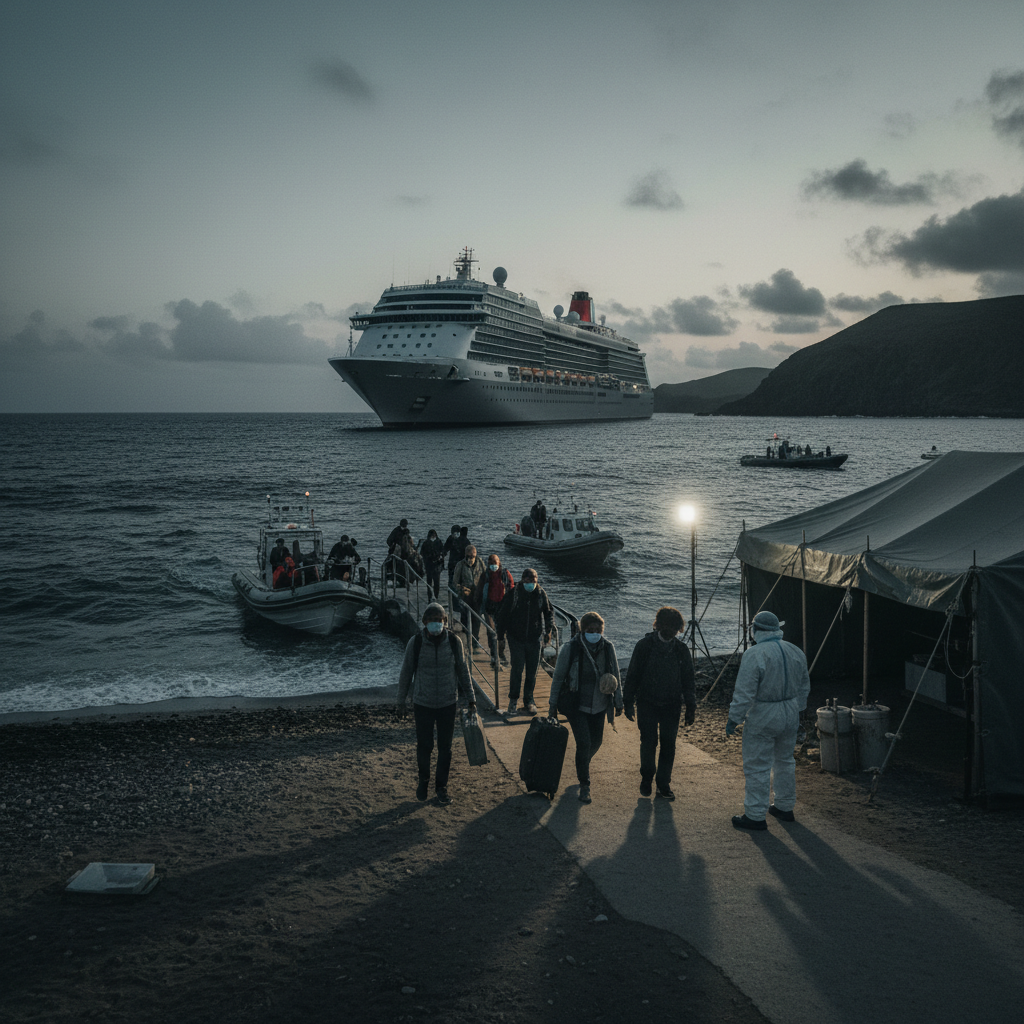
MV Hondius Andes Quarantine: A Passenger Perspective
PRAIA, CAPE VERDE – Passengers recently disembarked from the MV Hondius Andes, which has been anchored off Praia since May 2026, are beginning to share their experiences, offering a window into the prolonged quarantine and the unfolding public health response to the hantavirus outbreak. Initial communications from Hondius Expeditions, the ship's operator, emphasized passenger safety and cooperation with international health authorities. Early messages, reviewed by this desk, informed passengers of an unfolding public health situation and the necessity of onboard quarantine measures. These communications typically detailed protocols for isolation, symptom monitoring, and access to medical care provided by the ship's staff and an augmented medical team brought on board. Passengers were reportedly informed of the need for enhanced sanitation protocols and limitations on movement within the vessel to mitigate potential transmission. Over the past months. Formal interviews with passengers are pending due to ongoing health monitoring, informal reports and communications helpd through third parties paint a picture of bigly disruption. Many passengers expressed frustration over the lack of a definitive timeline for disembarkation, compounded by the isolation. Despite these challenges, some accounts praised the dedication of the ship's crew and medical staff, who worked under extraordinary conditions to maintain essential services and provide care. Access to internet and satellite phone services, while not always consistent, allowed some passengers to maintain contact with family and friends, alleviating some of the psychological burden.
Operator Communications and Evolving Protocols
Hondius Expeditions has maintained a public stance of full cooperation with the World Health Organization (WHO), Africa Centres for Disease Control and Prevention (Africa CDC), and local Cape Verdean health authorities. Their statements have consistently stressed the unprecedented nature of the hantavirus outbreak aboard a cruise vessel and the complexities involved in managing such a situation at sea. The operator’s public relations materials, disseminated via their corporate website and press releases, detailed the phased approach to disembarkation and the extensive health screening required before passengers could leave the ship or transit through Praia. Communication to passengers evolved as the situation progressed. Initially focused on containing the outbreak, later messages shifted to preparing passengers for disembarkation. These updates included information on medical evaluations, symptom checks, and logistical arrangements for onward travel, which were contingent on individual health status and destination country regulations. The operator reportedly organized specific zones on board for passengers cleared for travel versus those requiring extended observation or medical attention.
Disembarkation Logistics: A Multi-Agency Effort
The disembarkation process, which startd in late July 2026 and is still ongoing for some individuals as of September 2026, has been a monumental logistical challenge. It involves close coordination between the ship's operator, the Cape Verdean government, WHO, Africa CDC, and numerous national public health agencies representing the passengers' home countries. Sources familiar with the operation indicate that passengers underwent multiple rounds of health screening, including diagnostic testing for hantavirus, before being cleared for disembarkation. Those exhibiting symptoms or testing positive were required to remain onboard or be transferred to a shore-based medical facility in Cape Verde, established specifically for this event, as per public health directives. These facilities, while not explicitly detailed, are understood to adhere to international standards for infectious disease management, ensuring isolation and appropriate medical care. The logistical intricacies extended beyond health checks. The International Maritime Organization (IMO) has also been involved, offering guidance on maritime health declarations and port state control measures relevant to infectious disease outbreaks. Each passenger's onward travel required careful planning, often involving charter flights and specialized ground transportation to minimize public exposure. Countries receiving their nationals have implemented their own quarantine and monitoring protocols upon arrival, adding another layer of complexity to the overall process. Reports suggest that Hondius Expeditions covered the costs of these complex disembarkation arrangements, including medical transfers and repatriations for passengers deemed fit to travel. Yet, the exact financial implications for the company and the longer-term impact on the cruise industry remain areas of ongoing analysis. The MV Hondius Andes incident underscores the bigly challenges of managing infectious disease outbreaks in confined, international settings and the critical importance of strong public health coordination across borders.



