Hondius Andes Passengers Detail Onboard Ordeal, Disembarkation Logistics Under Scrutiny
First-hand accounts from MV Hondius Andes passengers shed light on weeks spent under quarantine, communication challenges, and the intricate logistical planning for disembarkation after the hantavirus outbreak off Cape Verde.
MV Hondius Andes: A Passenger's Perspective on Weeks Adrift
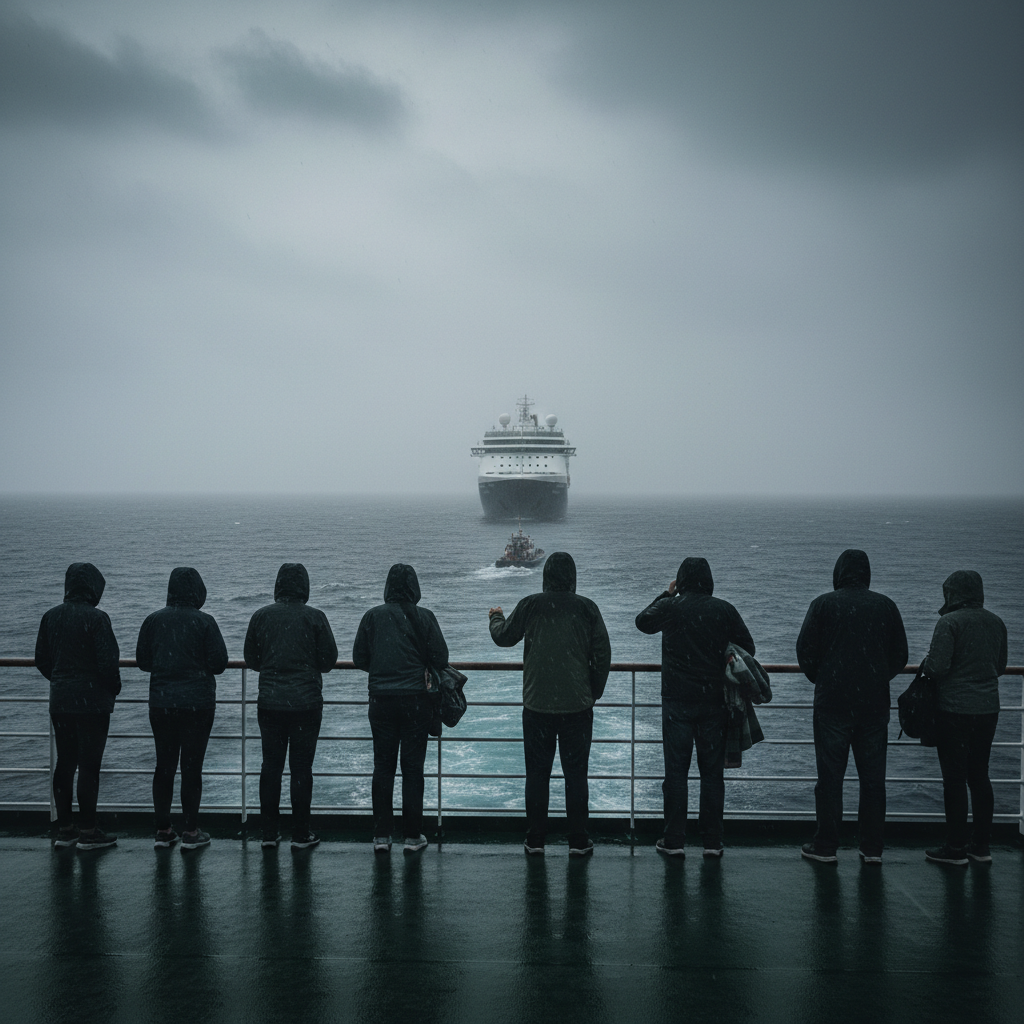
PRAIA, Cape Verde – As the MV Hondius Andes remains anchored off Praia, firsthand accounts from passengers, now beginning to disembark, are painting a vivid picture of the weeks-long ordeal aboard the vessel following the hantavirus outbreak identified in May 2026. These narratives highlight the psychological toll of extended quarantine, the critical role of operator communications, and the complex logistical challenges of repatriation. Initially, passengers described a period of confusion and anxiety after the vessel was placed under quarantine. Early communications from the ship operator, Hondius Lines, focused on health protocols and reassuring passengers about access to medical care. Yet, as the quarantine extended, the nature of these communications evolved, reportedly shifting to daily updates on health status, logistical planning, and mental health support. Passengers indicate that access to satellite internet and limited phone services became vital lifelines to family and external news.
Life Under Quarantine: Adaptations and Anxieties
Life aboard the Hondius Andes transitioned bigly following the initial outbreak. Standard cruise activities were suspended, and passengers were largely confined to their cabins, or designated zones, with strict social distancing protocols enforced. Meals were reportedly delivered to cabins, and public spaces were either closed or heavily restricted to minimize potential transmission. Regular health checks, including temperature screenings and symptom monitoring, became routine, overseen by the ship's medical team in coordination with international health authorities. Several accounts detail the psychological strain of prolonged isolation. Hondius Lines reportedly implemented virtual recreational activities, online wellness programs, and provided access to counseling services via telemedicine. Despite these efforts, the uncertainty surrounding the duration of the quarantine and the nature of the hantavirus threat contributed to widespread anxiety among those onboard. The effectiveness of these support systems is reportedly varied, depending on individual circumstances and access to ship resources.
Operator Communications and Transparency
From the outset, Hondius Lines faced the formidable task of managing an unprecedented health crisis at sea. Public statements from the operator have consistently emphasized their collaboration with international health organizations, including the World Health Organization (WHO) and Africa CDC, as well as flag state authorities. Internally, communications to passengers reportedly addressed evolving health guidelines, test results (without disclosing individual patient information), and updates on diplomatic and logistical efforts for disembarkation. Concerns were raised by some passengers on the clarity and frequency of information in the initial phases of the outbreak. Though, subsequent weeks saw an reported improvement in structured updates, often delivered via internal television channels, daily print circulars, and the ship's public address system. The challenge for Hondius Lines was balancing transparency with the need to avoid panic, while also navigating privacy concerns and the rapidly changing scientific understanding of the outbreak.
The Intricacies of Disembarkation
Disembarkation planning has emerged as one of the most complex aspects of the entire event. As of September 2026, the process is underway, involving multiple international agencies and national governments. The primary goal is the safe and controlled repatriation of passengers and crew, while strictly adhering to public health measures to prevent further hantavirus spread. This includes extensive health screenings, staggered departures, and coordination of onward travel logistics. Passengers are being categorized based on their health status and country of origin. Those deemed healthy and cleared by medical authorities are permitted to disembark first, typically via chartered flights arranged by their respective governments or Hondius Lines. These flights often land in designated, isolated areas where further health monitoring or quarantine may be mandated by national health authorities. Passengers exhibiting symptoms or testing positive for hantavirus are subject to more stringent medical isolation protocols, either remaining on the ship's infirmary, transferring to shore-based medical facilities in Cape Verde (if capacity allows and deemed safe), or awaiting specialized medical transport. The International Maritime Organization (IMO) has been involved in facilitating humanitarian corridors and ensuring adherence to international health regulations. The process is further complicated by the need for diplomatic clearances for over fifty nationalities represented onboard, as well as strict biosafety protocols for handling luggage and personal belongings. Several governments are requiring their citizens to undergo additional quarantine periods upon return, adding another layer of complexity to the repatriation efforts. The MV Hondius Andes situation continues to serve as a critical case study in complex maritime public health emergencies.



