Hondius Andes Passengers Detail Ordeal as Disembarkation Plans Emerge
Passengers aboard the MV Hondius Andes describe extended isolation, communication challenges, and health concerns as cruise operator and international agencies finalize complex disembarkation and repatriation logistics for those cleared for travel.
Passenger Accounts Paint Picture of Isolation and Uncertainty
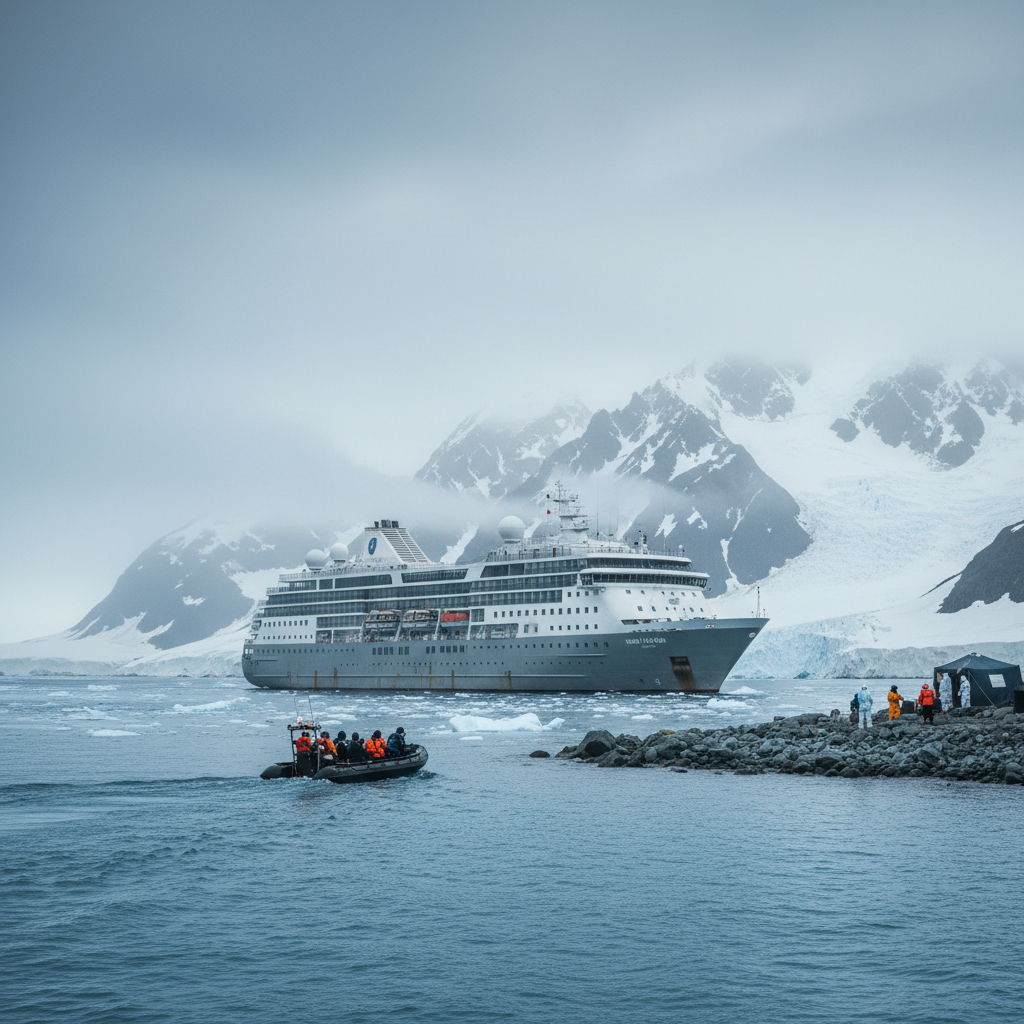
Accounts from passengers aboard the MV Hondius Andes, currently anchored off Praia, Cape Verde, since early May 2026 due to a hantavirus outbreak, highlight the prolonged and often distressing experience of extended quarantine at sea. With the vessel's initial two-week isolation period stretching into months, individuals describe a bigly impact on their daily lives, access to information, and mental well-being. Reports, shared through limited and often delayed communications channels, indicate that passengers have primarily been confined to their cabins, with restricted access to communal areas. Initial reports from early in the outbreak, per multiple sources including Reuters and AP, suggested varying levels of cabin confinement depending on health status and proximity to confirmed cases. More recent accounts indicate that all passengers have experienced some form of movement restrictions for an extended period, contributing to feelings of isolation and anxiety. Communication has been a persistent challenge. Passengers have reported inconsistent internet access and delays in receiving comprehensive updates from the cruise operator, Andes Expeditions. While the company has released statements acknowledging the difficulties and outlining support measures, the asynchronous nature of information flow has led to speculation and heightened uncertainty onboard. Families awaiting news ashore have also expressed frustration with the limited direct communication from the vessel.
Operator Details Logistics Amidst Health Protocols
Andes Expeditions, in collaboration with health authorities including the World Health Organization (WHO), Africa Centres for Disease Control and Prevention (Africa CDC). Cape Verdean health officials, has been working to finalize disembarkation and repatriation plans. These plans are complex, given the nature of hantavirus transmission, requiring stringent health assessments and logistical coordination across multiple international borders. According to recent statements from Andes Expeditions and reports from WHO, disembarkation will proceed in phases. Passengers cleared for travel, following multiple rounds of health screenings and the required incubation period, will be repatriated. This process involves charter flights and coordinated ground transportation to their home countries.Passengers who are symptomatic or have tested positive for the virus. Those who have been identified as close contacts, remain under medical observation onboard or in designated isolation facilities, as per the evolving protocols.
Health Screenings and Mental Health Support
The ongoing health surveillance onboard includes regular temperature checks, symptom monitoring, and repeat diagnostic testing for hantavirus, as advised by international public health guidelines. Medical personnel from various international aid organizations and local health services have been deployed to augment the ship's medical team, ensuring continuous care for passengers and crew. Recognizing the psychological toll of prolonged isolation and uncertainty, Andes Expeditions has stated it's providing mental health support services onboard. These services include access to counselors and virtual support platforms. But, the effectiveness and reach of these services under restricted conditions have been subject to passenger feedback, with some individuals advocating for more direct and personalized psychological assistance.
Repatriation Challenges and Future Outlook
The disembarkation process is complicated by the need for international coordination regarding entry requirements, transit protocols, and ongoing surveillance upon return to passengers' home countries. Countries globally are implementing varied health screening measures for returning travelers from the MV Hondius Andes, adding layers of complexity to repatriation efforts. The timeline for full disembarkation remains fluid, contingent on continued health assessments and the successful execution of logistical plans. International maritime organizations, including the International Maritime Organization (IMO), have been engaged to ensure compliance with maritime health regulations and to help safe passage for the vessel once it's cleared. The focus remains on safeguarding public health while addressing the immediate needs of those onboard the MV Hondius Andes.



