Hondius Andes Passengers Detail Prolonged Isolation, Uncertain Disembarkation
Passengers aboard the MV Hondius Andes report sustained isolation and inconsistent communication as authorities finalize disembarkation plans amidst the ongoing hantavirus outbreak response off Praia, Cape Verde.
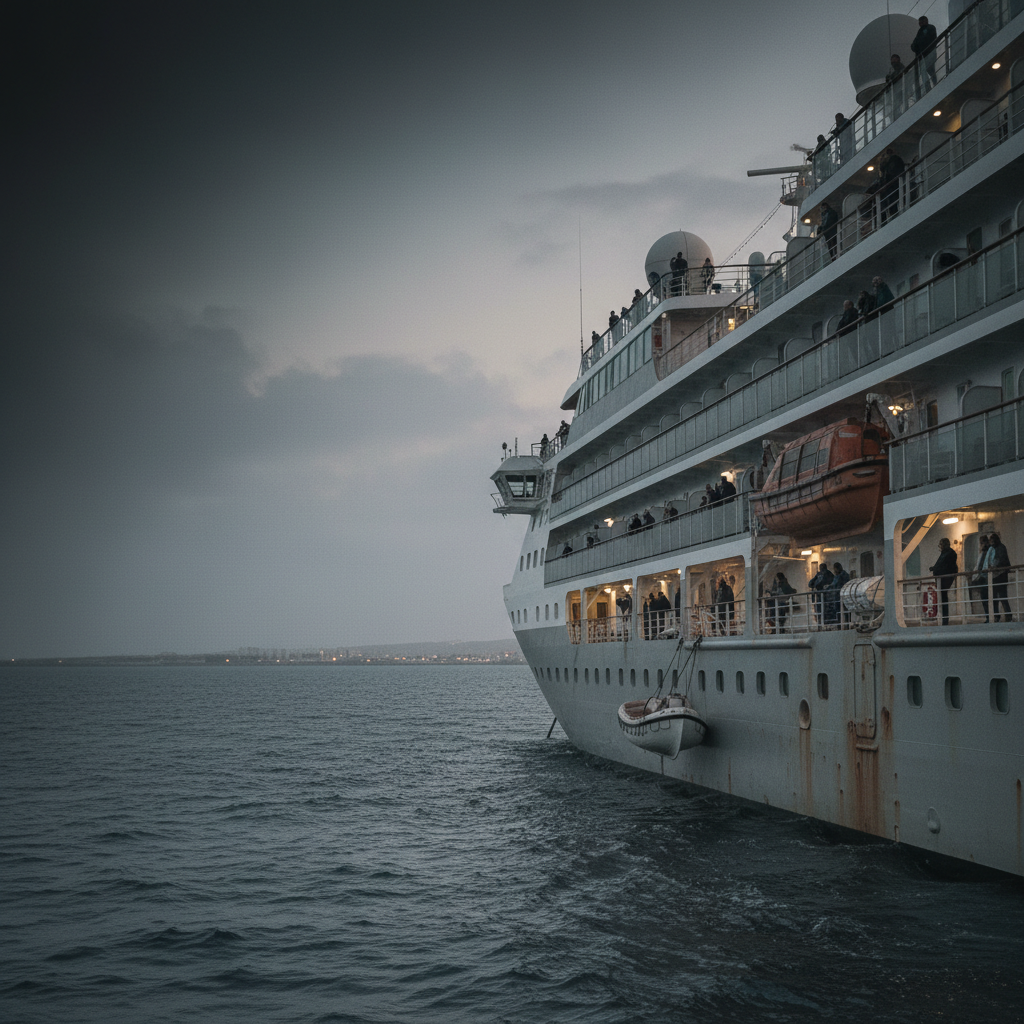
Onboard Realities: Weeks of Containment
Passengers on the MV Hondius Andes, anchored off Praia, Cape Verde, since May 2026, continue to navigate challenging conditions as the vessel remains under quarantine due to a hantavirus outbreak. Accounts from verifiable onboard communications, primarily satellite-enabled messages and limited video calls, depict a community grappling with prolonged isolation and the psychological toll of uncertainty. Initial days following the detection of hantavirus cases saw a swift implementation of strict containment protocols.Passengers describe being largely confined to their cabins, with limited access to communal areas. Highly regulated movement for essential activities such as medical checks or emergency supplies distribution. "The daily routine has become one of waiting," reported one passenger in a message shared with family, reflecting a common sentiment of limbo. Crew members, under the direction of public health authorities and the ship's medical team, are reportedly providing meals delivered to cabins and conducting routine wellness checks. But, the extended duration of the quarantine has led to increasing concerns regarding mental health and access to recreational activities, particularly for families with children. While the cruise operator has reportedly made efforts to provide digital entertainment and help communication with external support, the confines of a ship environment pose unique challenges for long-term psychological well-being.
Operator Communications: Balancing Transparency and Reassurance
The cruise operator, in conjunction with international public health agencies, has maintained a consistent but cautious communication strategy with those onboard.Daily updates, often delivered via the ship's public address system and internal television channels, reportedly cover the status of public health measures, ongoing medical surveillance. Logistical planning. Passengers indicate that these communications aim to provide reassurance while acknowledging the gravity of the situation. Key areas of concern frequently highlighted by passengers include clarity on testing protocols, the criteria for determining health status, and the projected timeline for disembarkation. While the operator has reiterated its commitment to passenger and crew safety, specific details regarding individual health statuses and the overall number of confirmed cases are not consistently shared directly with all passengers, aligning with medical privacy guidelines and public health communication strategies. This approach, while standard, has occasionally led to anxiety among individuals seeking more personalized information. International public health bodies, including the World Health Organization (WHO) and the Africa Centres for Disease Control and Prevention (Africa CDC), have been actively involved in advising the Cape Verdean authorities and the cruise operator. Their guidance emphasizes rigorous epidemiological investigation, comprehensive contact tracing, and the implementation of strong infection prevention and control measures onboard.
Disembarkation Logistics: A Complex International Effort
Plans for disembarkation have been a primary focus of discussions among passengers and a complex logistical challenge for all involved agencies.The process is complicated by several factors: the need for individual health assessments, the requirement for safe transport to countries of origin. The imperative to prevent further international spread of the hantavirus. As of late August 2026, disembarkation is being planned in phases, prioritizing individuals deemed medically clear and those requiring specialized medical evacuation. Reports from international media outlets, citing official sources, indicate that passengers are undergoing repeat health screenings and hantavirus testing to ensure they're asymptomatic and non-infectious before being cleared for travel. The specific protocols for these screenings have been developed in consultation with the WHO and national health authorities from various passenger home countries. Logistical coordination involves the Cape Verdean government, the cruise operator, and diplomatic representatives from multiple nations whose citizens are onboard. Air travel arrangements, ground transportation, and potential post-disembarkation quarantine requirements in destination countries are all being carefully organized. Challenges include securing sufficient air charter capacity, arranging medical escorts where necessary, and establishing clear communication channels between multiple government agencies and airlines. The International Maritime Organization (IMO) has too been engaged, likely providing guidance on port state responsibilities and the safe handling of vessels under quarantine. The situation continues to evolve, with ongoing negotiations and planning efforts aimed at ensuring a safe and orderly conclusion to the MV Hondius Andes' extended voyage.



