Hondius Andes Passengers Detail Prolonged Onboard Isolation, Disembarkation Challenges
Passengers aboard the MV Hondius Andes, quarantined off Praia since May, share firsthand accounts of extended isolation, evolving communication from the operator, and the complex logistics of their eventual repatriation, as public health authorities maintain strict protocols.
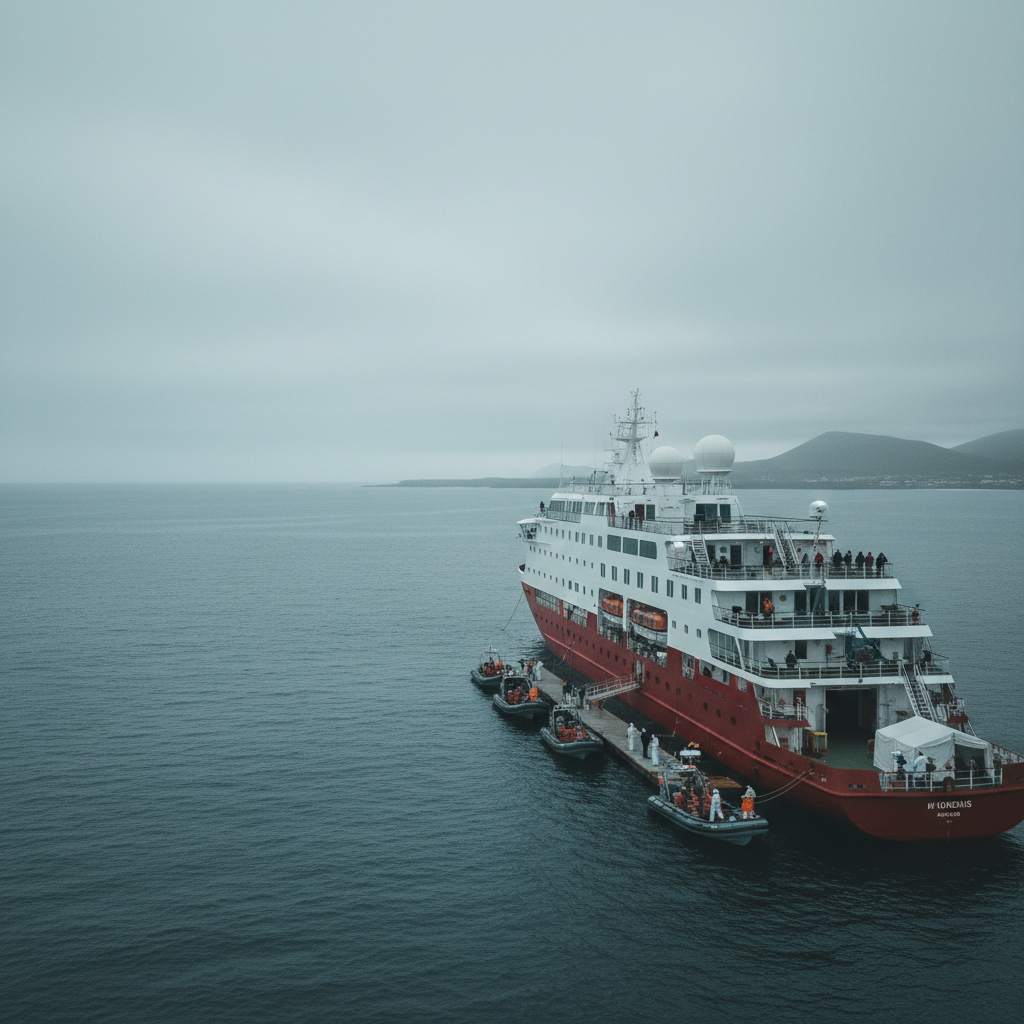
MV Hondius Andes: A Prolonged Maritime Quarantine
The MV Hondius Andes cruise ship, anchored off Praia, Cape Verde, since early May 2026, continues to be the subject of intensive public health scrutiny following confirmed cases of hantavirus among its passengers and crew. As of late August, the remaining passengers and crew face ongoing isolation, with accounts emerging on the bigly impact on their daily lives and the evolving challenges of disembarkation.
Passenger Accounts: Life in Limbo
Initial reports from passengers, communicated via satellite internet and relayed through family members, described a period of uncertainty as the extent of the outbreak became clear. A number of passengers reported a rapid shift from a typical cruise experience to strict cabin confinement. The initial days were characterized by limited information, leading to anxiety among those onboard.Subsequent communications from the ship's operator, Hondius Cruises, evolved to provide more regular updates. Passengers often expressed a desire for greater transparency on the health status of others and the timeline for their release. Food and essential supplies have reportedly been maintained, though the quality and variety have been points of contention for some, as expected during prolonged confinement. Mental health support resources were eventually made available, acknowledging the psychological toll of extended isolation. The World Health Organization (WHO) has highlighted the importance of psychological first aid in such situations, noting the stress and trauma associated with infectious disease outbreaks aboard confined environments.
Operator Communications and Evolving Protocols
From the outset, Hondius Cruises faced the formidable task of managing an unprecedented public health crisis at sea. Initial communications focused on containing the outbreak, urging adherence to hygiene protocols, and providing medical assistance onboard.As the situation progressed, official statements from Hondius Cruises, often coordinated with international public health agencies like the European Centre for Disease Prevention and Control (ECDC) and Africa CDC, shifted towards detailing testing regimes, health monitoring. Eventually, disembarkation plans. Communication challenges were inherent in the situation, with reports indicating varying degrees of satisfaction among passengers on the clarity and frequency of updates. The operator has consistently affirmed its commitment to passenger and crew safety, emphasizing adherence to the stringent guidelines set by health authorities. These guidelines, often updated as new information became available, dictated the duration of isolation periods, testing frequency, and the criteria for eventual medical clearance.
The Complexities of Disembarkation
Disembarkation for the MV Hondius Andes has proven to be a logistical and diplomatic challenge of bigly scale. Initial plans for repatriation were complicated by the unique nature of hantavirus transmission (primarily via aerosols from rodent excreta) and the need for rigorous medical screening to prevent further spread. Several countries initially expressed reluctance to accept repatriated nationals without guaranteed, comprehensive health clearances and managed transport. As of late August, a phased disembarkation process is underway, carefully coordinated between Hondius Cruises, the Cape Verdean authorities, and the respective governments of the passengers' home countries. This process involves multiple layers of testing for hantavirus antibodies and RNA, as specified by health authorities. Passengers cleared for travel are then transported via chartered flights, often directly to designated quarantine facilities or their homes for further self-isolation, depending on national regulations and individual health status. The International Maritime Organization (IMO) has been involved in discussions regarding international protocols for such disembarkations, underscoring the global nature of these challenges. Medical and humanitarian aid organizations, in collaboration with national health services, have played a role in facilitating these movements, ensuring medical oversight during transit. The sheer number of nationalities onboard, combined with varying national entry requirements and health screening protocols, has made the disembarkation a protracted and resource-intensive operation.
Looking Ahead: Lessons Learned
The MV Hondius Andes event serves as a critical case study for the cruise industry and public health authorities worldwide.The prolonged quarantine, the complexities of managing an outbreak of a less common pathogen like hantavirus in a confined environment. Here's the thing: the international coordination required for repatriation highlight areas for future preparedness and response. Authorities continue to monitor the situation closely, emphasizing public health safety as the paramount concern throughout the ongoing disembarkation and recovery phases.



