HPS/HCPS Clinical Protocols Under Scrutiny as MV Hondius Andes Outbreak Continues
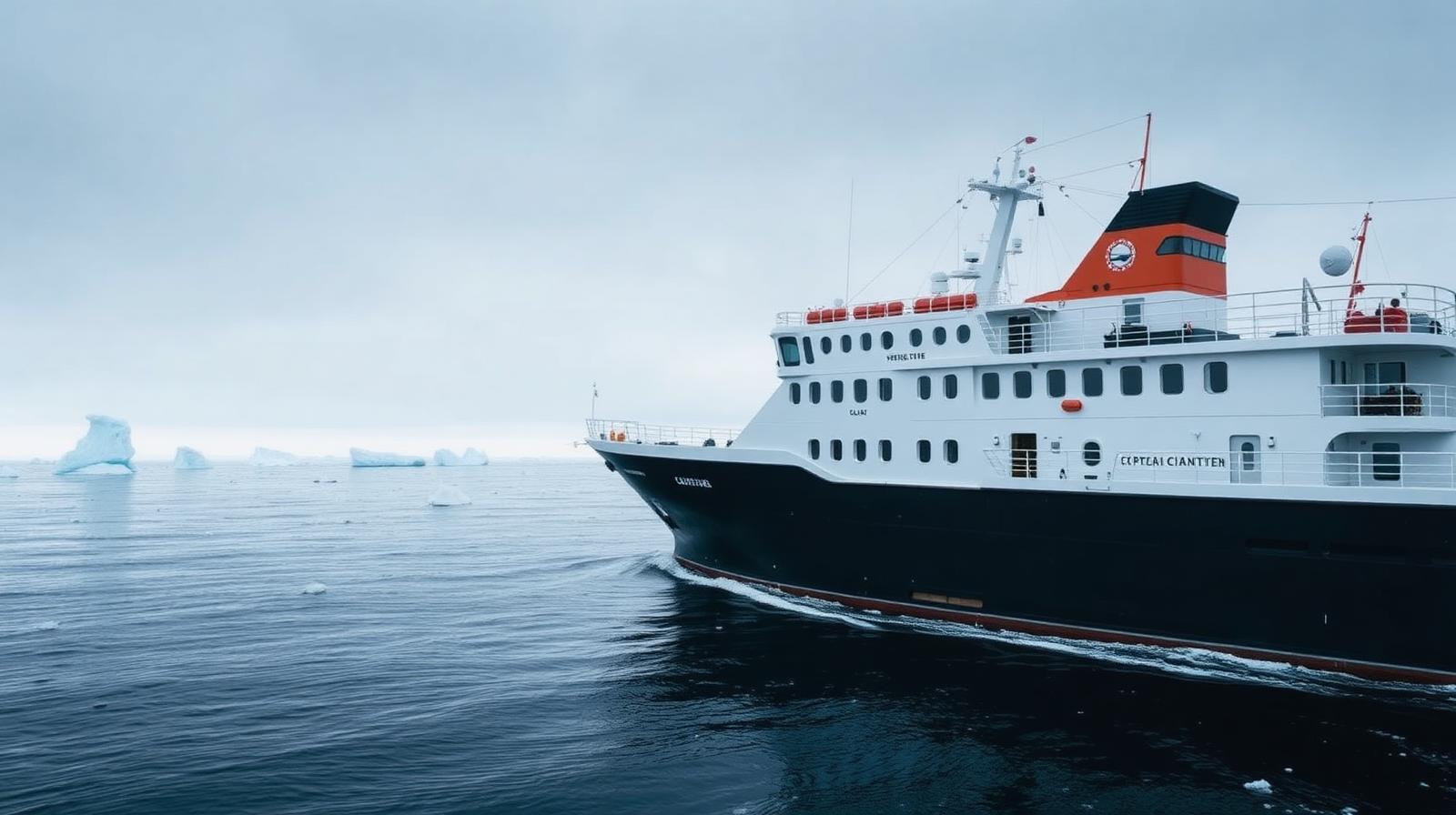
As the MV Hondius Andes remains anchored, clinical management of Hantavirus Pulmonary/Cardiopulmonary Syndrome (HPS/HCPS) cases aboard and ashore highlights the critical role of supportive care, with attention turning to advanced interventions like ECMO and key drivers of patient mortality.

Supportive Care Remains Cornerstone of HPS/HCPS Treatment
PRAIA, Cape Verde – As the international health community continues to respond to the hantavirus outbreak originating from the MV Hondius Andes, clinical protocols for Hantavirus Pulmonary Syndrome (HPS) and Hantavirus Cardiopulmonary Syndrome (HCPS) are under close examination. Medical experts emphasize that supportive care remains the primary and most effective treatment strategy for these severe conditions, which are characterized by rapid onset of respiratory distress and cardiovascular collapse. The Hantavirus disease, specifically the forms seen in the Americas (HPS) and occasionally with similar manifestations in other regions (often termed HCPS), lacks a specific antiviral treatment. As a result, managing symptoms and maintaining vital organ function are paramount. This involves careful fluid management to prevent both dehydration and pulmonary edema, aggressive oxygen therapy, and mechanical ventilation for patients experiencing acute respiratory failure. According to guidance from public health organizations, including the World Health Organization (WHO) and the U.S. Centers for Disease Control and Prevention (US CDC), careful monitoring of hemodynamics is crucial. This includes tracking blood pressure, heart rate, and oxygen saturation to guide interventions. Diuretics may be used to manage fluid overload, while vasopressors might be necessary to support blood pressure in cases of severe shock. The aim is to bridge the patient through the critical cardiopulmonary phase, which typically lasts several days, as the body's immune system mounts a response.
ECMO Availability and Deployment in Severe Cases
For the most critically ill patients, particularly those with refractory hypoxemia or cardiogenic shock despite conventional mechanical ventilation and vasopressor support, Extracorporeal Membrane Oxygenation (ECMO) has emerged as a life-saving intervention. ECMO provides temporary cardiac and/or respiratory support by oxygenating the patient's blood outside the body, allowing the lungs and heart to rest and recover. Reports from the response efforts around the MV Hondius Andes indicate that ECMO capabilities have been mobilized to support severe cases, both for patients evacuated to specialized facilities ashore and, in some instances, with portable units potentially deployed closer to the outbreak epicenter. But, ECMO is a highly specialized and resource-intensive treatment requiring trained personnel and dedicated equipment, limiting its widespread availability. Its deployment in this context underscores the severity of the clinical presentations observed during the current outbreak. The decision to initiate ECMO involves careful clinical judgment, considering the patient's overall condition, potential for recovery. The logistical challenges associated with its application, especially in a maritime or remote setting. While ECMO offers a critical lifeline, it's not without risks, including bleeding complications, infection, and mechanical failures, which necessitate stringent patient management and highly skilled medical teams.
Identifying Key Drivers of Mortality
Understanding the drivers of mortality in HPS/HCPS is crucial for refining treatment protocols and improving patient outcomes. Public health bodies and clinicians involved in the current response are analyzing clinical data to identify prognostic indicators. Historically, the rapid progression to non-cardiogenic pulmonary edema, severe hypoxemia, and profound cardiogenic shock have been identified as primary causes of death. Early recognition of symptoms, prompt access to advanced medical care, and aggressive supportive measures bigly impact survival rates. Delays in diagnosis or transfer to facilities capable of providing intensive care, including mechanical ventilation and ECMO, are believed to contribute to adverse outcomes. Factors such as pre-existing comorbidities, age, and individual immune response may as well influence the disease's trajectory and mortality. Officials have not yet released specific mortality data for the MV Hondius Andes outbreak. Still, ongoing surveillance and clinical analysis will be essential to provide a clearer picture of mortality drivers in this particular event. Continuous monitoring of physiological parameters and aggressive intervention during the acute phase remain the best defense against fatal outcomes.