HPS/HCPS Treatment Protocols Under Scrutiny Amid Hondius Andes Outbreak
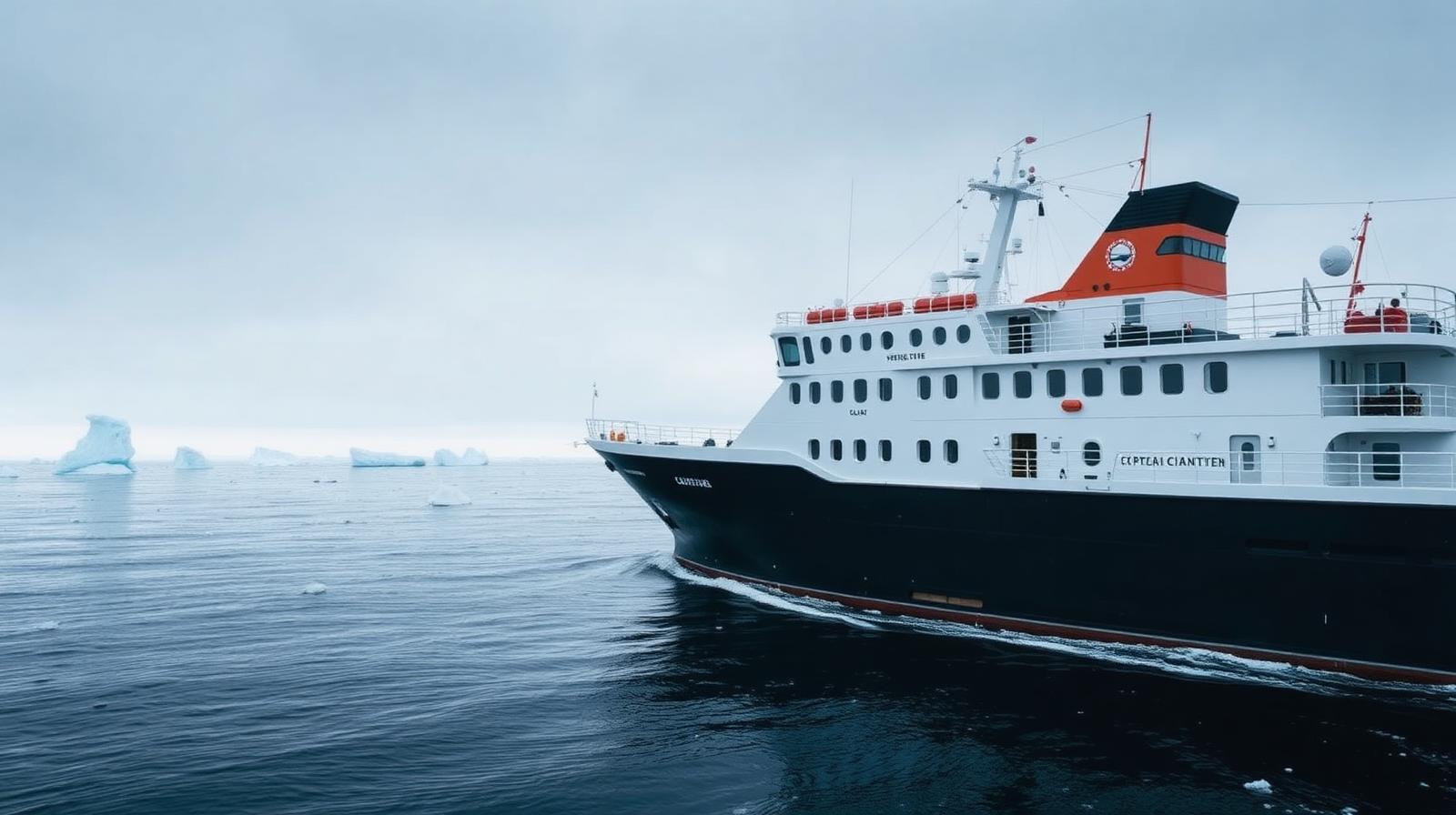
As the MV Hondius Andes remains anchored, medical experts and global health organizations are intensifying focus on optimal clinical management for Hantavirus Pulmonary Syndrome (HPS) and Hantavirus Cardiopulmonary Syndrome (HCPS) cases among passengers and crew, emphasizing supportive care and advanced life support interventions.
Supportive Care Remains Cornerstone of HPS/HCPS Management
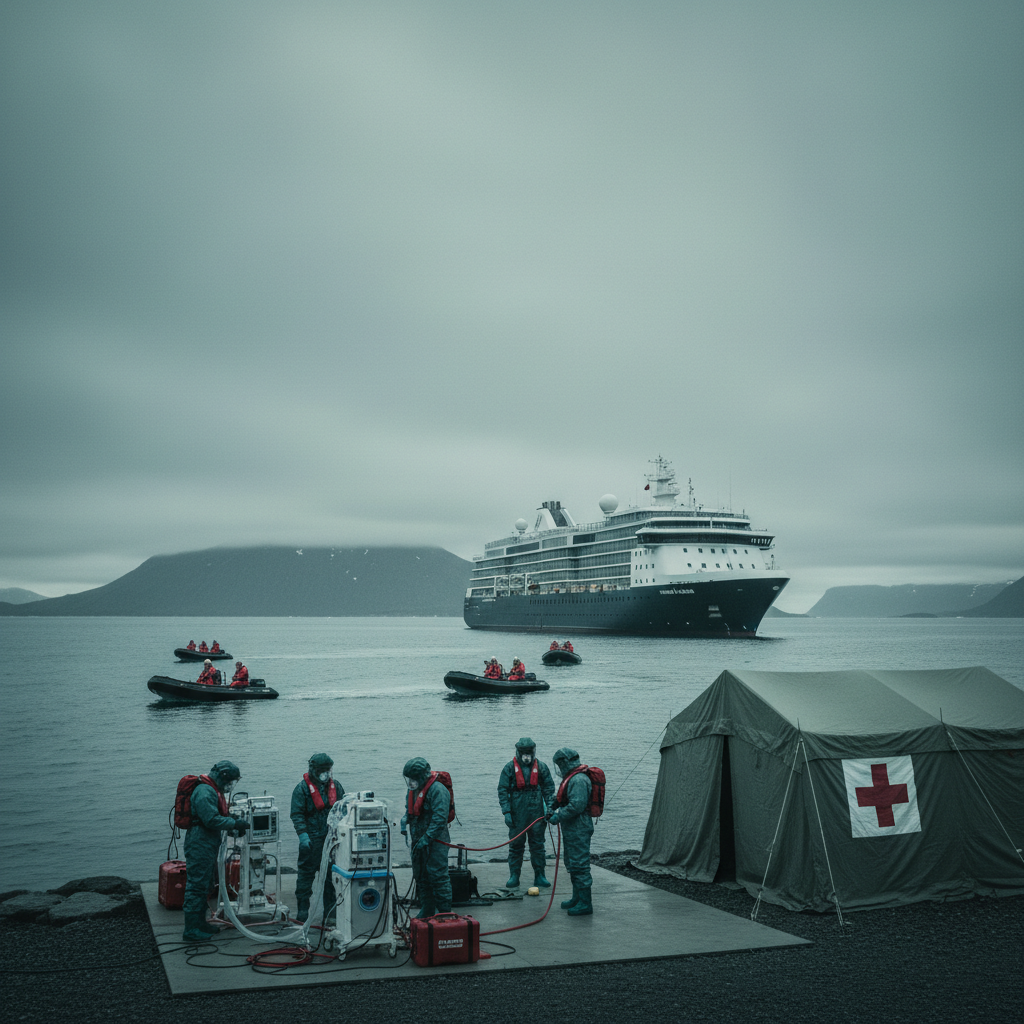
The ongoing hantavirus outbreak aboard the MV Hondius Andes has brought renewed attention to the critical importance of timely and aggressive supportive care for patients suffering from Hantavirus Pulmonary Syndrome (HPS) and Hantavirus Cardiopulmonary Syndrome (HCPS). With no specific antiviral treatment available for HPS/HCPS, clinical management centers on careful support of organ function, primarily pulmonary and cardiovascular systems. According to guidelines from the World Health Organization (WHO) and the U.S. Centers for Disease Control and Prevention (US CDC), the immediate goals of care involve maintaining adequate oxygenation, managing fluid balance to prevent pulmonary edema, and supporting cardiovascular function. Patients often require supplemental oxygen, and in more severe cases, mechanical ventilation becomes necessary to assist failing lungs. The rapid progression of the disease, often within days of symptom onset, necessitates early recognition and transfer to facilities equipped for intensive care. Physicians managing current cases aboard the MV Hondius Andes, as well as those transferred to shore-based facilities, are reportedly adhering to these established protocols. Sources familiar with the situation indicate that the medical teams are prioritizing aggressive fluid management strategies, as both over- and under-hydration can exacerbate patient outcomes in HCPS. Careful monitoring of hemodynamic parameters is paramount to tailor therapy to individual patient needs.
ECMO Availability and Its Role in Severe Cases
For the most critical HPS/HCPS patients, Extracorporeal Membrane Oxygenation (ECMO) has emerged as a potentially life-saving intervention. ECMO provides temporary cardiac and/or respiratory support by circulating the patient's blood through an artificial lung outside the body, allowing the patient's own heart and lungs to rest and recover. Its use is typically reserved for patients who fail to respond to conventional mechanical ventilation and vasopressor support due to severe pulmonary edema and cardiogenic shock. While ECMO can be highly effective, its deployment is resource-intensive, requiring specialized equipment, highly trained medical staff, and continuous monitoring. The availability of ECMO facilities and transport capabilities for patients from the MV Hondius Andes has been a bigly logistical consideration, particularly given the ship's remote location off Praia, Cape Verde. Publicly reported figures suggest that access to such advanced life support has been a key factor in managing the most severe cases requiring evacuation. International health bodies, including the European Centre for Disease Prevention and Control (ECDC), emphasize that while ECMO can improve survival rates in select severe cases, it's not a panacea. Optimal timing of initiation, patient selection, and comprehensive critical care support remain crucial for successful outcomes. The logistical challenges of deploying and maintaining ECMO in an outbreak scenario, especially at sea or in regions with limited advanced medical infrastructure, further underscore the complexity of patient management in this incident.
Understanding Mortality Drivers in HPS/HCPS
Mortality in HPS/HCPS is primarily driven by progressive cardiopulmonary failure. In practice, the hantavirus infection leads to increased vascular permeability in the lungs, resulting in a rapid accumulation of fluid in the pulmonary interstitium and alveoli. This non-cardiogenic pulmonary edema severely impairs gas exchange, leading to acute respiratory distress syndrome (ARDS). Concurrently, many hantaviruses, particularly those causing HPS/HCPS, can directly affect the myocardium, leading to myocardial depression and cardiogenic shock. This combination of severe pulmonary edema and cardiac dysfunction creates a vicious cycle, often culminating in refractory hypoxemia and multi-organ failure if not aggressively managed. Secondary infections, though less common as primary drivers, can complicate the course of illness in critically ill patients, adding another layer of challenge to treatment. Yet, the overwhelming majority of deaths are attributed to the direct effects of the virus on the lungs and heart.Early recognition, prompt transfer to an intensive care unit. Sophisticated supportive care, including mechanical ventilation and sometimes ECMO, are the most effective strategies to mitigate these mortality drivers. The experience from the MV Hondius Andes continues to reinforce these clinical tenets, providing valuable, albeit tragic, lessons for global outbreak preparedness.