IMO, Flag State Scrutiny Intensifies After Hondius Andes Hantavirus Outbreak
The MV Hondius Andes hantavirus incident has prompted a rigorous re-evaluation of international maritime health regulations, with IMO, flag states, and port state control authorities facing renewed pressure to harmonize and enforce onboard quarantine and public health protocols.
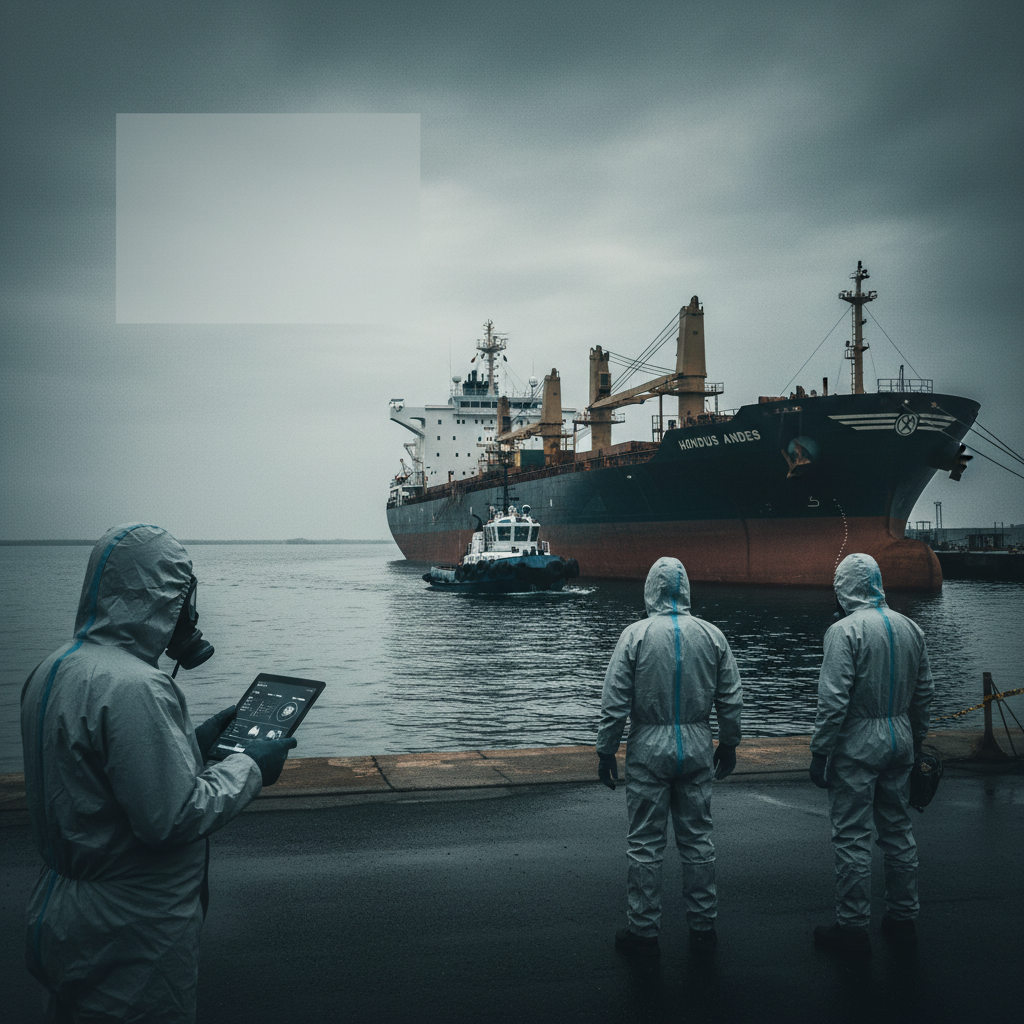
International Maritime Health Regulations Under Spotlight
The ongoing public health crisis aboard the MV Hondius Andes, anchored off Praia, Cape Verde, since May 2026, has thrust the intricate web of international maritime health regulations into an intense global spotlight. The prolonged hantavirus outbreak, while contained, has triggered calls for a comprehensive review of existing protocols by the International Maritime Organization (IMO), flag states, and port state control authorities. Experts and public health officials are scrutinizing the adequacy of current frameworks, particularly concerning onboard infectious disease management, notification procedures. The exercise of jurisdiction in international waters and foreign ports during outbreaks of novel or re-emerging pathogens.
IMO's Role and International Health Regulations
The IMO, as the United Nations specialized agency responsible for the safety and security of shipping and the prevention of marine pollution by ships, sets broad standards for maritime operations. While the IMO's primary focus is not public health, its conventions, such as the International Convention for the Safety of Life at Sea (SOLAS), indirectly touch upon aspects relevant to passenger and crew well-being. Though, the overarching international legal instrument governing public health events on ships is the World Health Organization's (WHO) International Health Regulations (IHR 2005). The IHR (2005) obliges State Parties to develop core capacities for surveillance and response, including at points of entry like seaports. Ships are required to report certain health situations to port authorities. The MV Hondius Andes situation highlights potential gaps in the practical implementation and enforcement of these regulations when a vessel is effectively stranded in international waters or denied entry to multiple ports.
Flag State Obligations and Responsibilities
The flag state – the country under whose laws a ship is registered – bears primary responsibility for ensuring that vessels comply with international regulations. For the MV Hondius Andes, registered under a specific flag, this entails ensuring the vessel maintains safety standards, including health and hygiene, and adheres to crew welfare provisions.In an outbreak scenario, the flag state is expected to cooperate with coastal states and international bodies like WHO to manage the crisis, help medical aid. Ensure proper quarantine measures are in place. The Hantavirus Cruise incident has underscored the complexities of flag state jurisdiction when a ship becomes a containment zone.Questions have been raised on the flag state's capacity to oversee prolonged medical operations, ensure adequate medical supplies. Arrange for the repatriation or transfer of affected individuals when international port access is restricted. Publicly reported statements from officials have emphasized the ongoing coordination efforts between the flag state and various international agencies to manage the situation.
Port State Control and Entry Restrictions
Port state control (PSC) allows signatory nations of various maritime conventions to inspect foreign-flagged ships calling at their ports to ensure compliance with international rules. In the context of infectious disease outbreaks, PSC officers can detain vessels if bigly public health risks are identified. This mechanism is crucial for preventing the spread of diseases from ships to coastal communities. The refusal of multiple ports to accept the MV Hondius Andes, citing public health concerns, exemplifies the power and critical role of port state control. While necessary to protect national populations, this action simultaneously creates an urgent humanitarian and logistical challenge for the vessel and its occupants. The incident has initiated discussions among IMO member states and the WHO regarding clearer guidelines for port states on managing infectious disease incidents without unduly restricting maritime trade or endangering lives at sea.
Quarantine Protocols at Sea
The enforcement of quarantine protocols at sea has proven particularly challenging during the Hondius Andes outbreak. Unlike land-based facilities, a ship, even purpose-built for cruises, is a confined environment where maintaining strict isolation and preventing further transmission can be exceptionally difficult, especially for extended periods. Onboard medical facilities, while designed for routine care and emergencies, are typically not equipped for long-term management of a widespread infectious disease requiring high-level biocontainment. The prolonged nature of the Hantavirus Cruise quarantine has brought to light the need for enhanced international guidelines for managing extended outbreaks on vessels.This includes standards for onboard medical infrastructure, crew training in infectious disease protocols, provision of personal protective equipment. Clear escalation pathways for medical evacuation or resupply when port access is denied. Officials have highlighted the importance of strong communication and coordination between ship's command, flag state, and international health authorities in such protracted scenarios.
Looking Ahead: Calls for Harmonization
The MV Hondius Andes incident serves as a stark reminder of the interconnectedness of global health and maritime operations.The IMO, in conjunction with the WHO and other relevant bodies, is expected to face increasing pressure to review existing conventions and develop more harmonized, strong. Adaptable frameworks for managing future infectious disease outbreaks aboard international vessels.This will likely involve clarifying jurisdictional boundaries, enhancing flag state oversight, refining port state control guidelines. Establishing clearer, more humane protocols for onboard quarantine and medical support.



