IMO, Flag State Under Scrutiny Amidst Hondius Andes Hantavirus Outbreak
The protracted quarantine of the MV Hondius Andes highlights significant gaps in international maritime regulations for infectious disease outbreaks, prompting calls for revised protocols from flag states, port states, and the IMO.
International Maritime Governance Faces Pressure
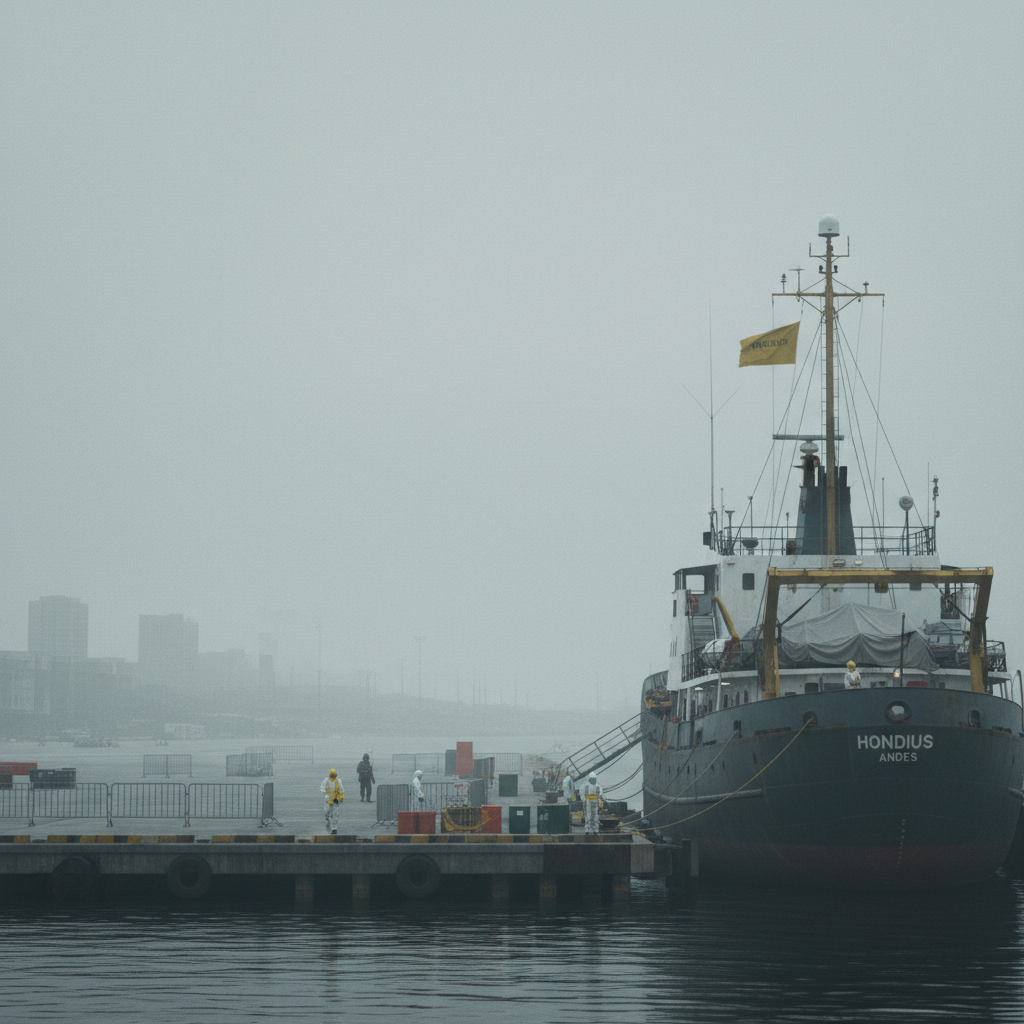
The ongoing situation surrounding the MV Hondius Andes, anchored off Praia, Cape Verde since May 2026 due to a hantavirus outbreak, has brought international maritime governance and public health protocols under intense scrutiny. The protracted quarantine and the complex interplay of responsibilities between the vessel's flag state, port states, and the International Maritime Organization (IMO) are exposing areas ripe for reform.
Flag State Responsibility Questioned
The flag state, under whose jurisdiction the Hondius Andes is registered, bears primary responsibility for implementing and enforcing international conventions regarding safety, security, and environmental protection on board. This includes health and hygiene standards. Experts are now questioning the adequacy of existing flag state oversight mechanisms, particularly concerning infectious disease preparedness and response plans for vessels engaged in international travel. "The current situation underscores that flag states must not only ratify international health regulations but also show strong frameworks for their enforcement and regular auditing," stated a maritime law expert, speaking on background. "When an outbreak of this nature occurs, the flag state's capacity to provide immediate, effective support and ensure compliance with quarantine procedures is paramount."
Port State Control: A Critical Junction
Port states, such as Cape Verde, exercise port state control (PSC) to ensure foreign vessels entering their waters comply with international conventions.While PSC typically focuses on safety, pollution prevention. Living and working conditions, the Hondius Andes incident highlights the need for more stringent and standardized health-related inspections, particularly during global health emergencies or when vessels have reported suspected infectious diseases. The authority of a port state to deny entry, mandate quarantine, or dictate health measures becomes critical in containing potential transboundary spread. "The decisions made by port states are often the first line of defense against global health threats transmitted via maritime routes," noted a public health official involved in maritime disease surveillance. "Harmonization of port state health protocols, perhaps under stronger IMO or WHO guidance, could prevent future vessels from becoming prolonged, isolated health crises."
IMO's Role and Future Directions
The IMO, the United Nations specialized agency responsible for the safety and security of shipping and the prevention of marine and atmospheric pollution by ships, matters for developing global maritime standards. While the IMO collaborates with the World Health Organization (WHO) on health-related matters, the Hondius Andes case suggests that existing frameworks, such as the International Health Regulations (IHR) (2005) and various IMO conventions, may not fully address the unique challenges posed by novel or re-emerging infectious diseases on passenger vessels. Discussions are reportedly underway among IMO member states to review current guidelines. Potential areas for revision include:
- Enhanced Disease Surveillance: Mandating more rigorous and standardized health reporting from vessels to flag and port states. * Quarantine Protocols at Sea: Developing clearer, internationally recognized guidelines for effective isolation, medical care, and logistics during prolonged quarantines in international waters or off coastal states. * Crew Training and Preparedness: Strengthening requirements for crew training in infectious disease prevention, recognition, and response. * Communication Frameworks: Improving real-time information sharing between ship operators, flag states, port states, and international health bodies like the WHO. "The current circumstances have exposed the complex jurisdictional and logistical challenges when a highly infectious agent emerges on a vessel in international waters," commented a representative from the International Chamber of Shipping. "This event will undoubtedly be a catalyst for the IMO and its partners to re-evaluate and strengthen the global maritime health framework."
As the MV Hondius Andes remains under quarantine, awaiting a resolution for its passengers and crew, the maritime industry and international public health community are confronting the urgent need for a more strong, cohesive. Adaptable regulatory environment to prevent and manage future outbreaks at sea.
Sources
- World Health Organization (WHO)
- International Maritime Organization (IMO)
- Africa Centres for Disease Control and Prevention (Africa CDC)
- European Centre for Disease Prevention and Control (ECDC)
- U.S. Centers for Disease Control and Prevention (US CDC)
- Reuters
- Associated Press (AP News)
- British Broadcasting Corporation (BBC)



