IMO, Flag States Face Scrutiny as Hondius Andes Outbreak Prompts Regulatory Review
The MV Hondius Andes hantavirus outbreak highlights critical gaps in international maritime health regulations, prompting calls for reassessment of IMO guidelines, flag state responsibilities, and port state control mechanisms.
International Scrutiny on Maritime Health Protocols
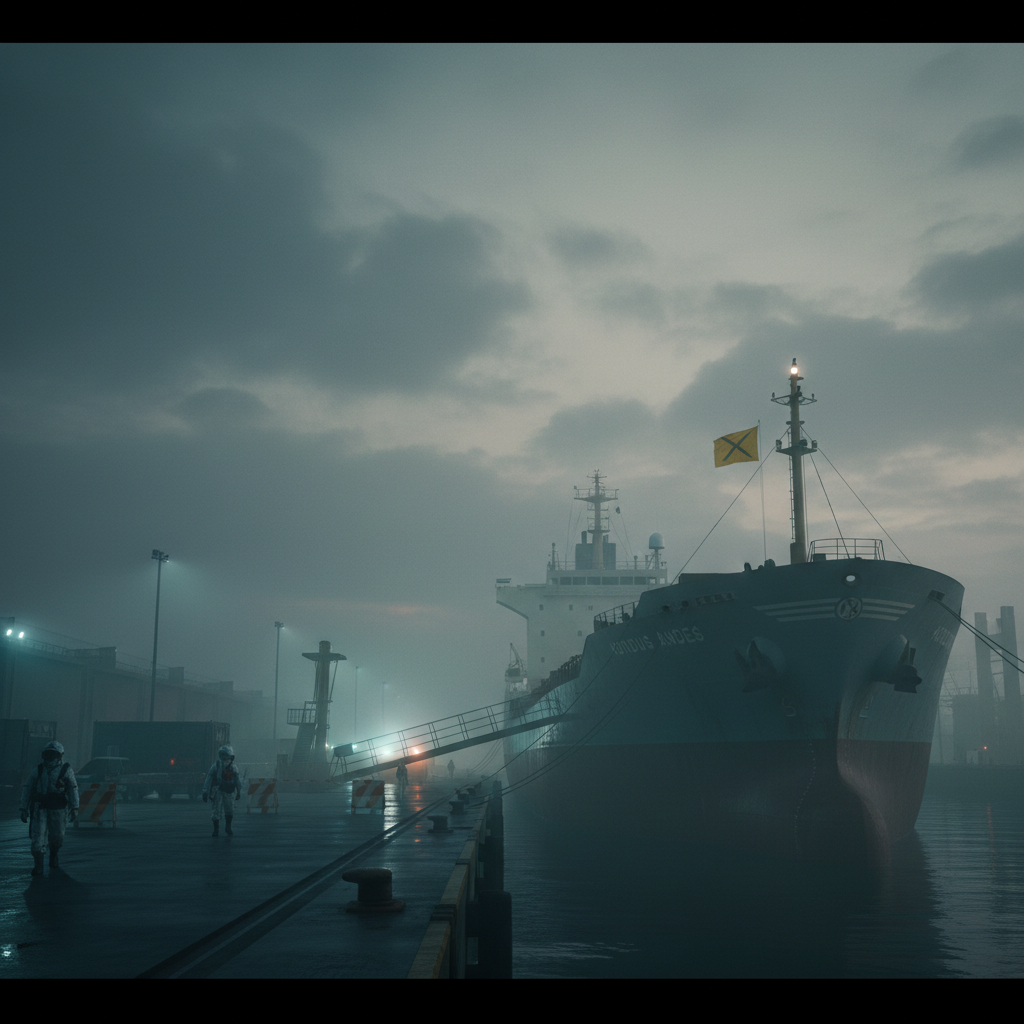
The ongoing hantavirus outbreak aboard the MV Hondius Andes, anchored off Praia, Cape Verde since May 2026, has intensified international scrutiny on the effectiveness of global maritime health regulations. The incident has thrust the International Maritime Organization (IMO) and the responsibilities of flag states into a critical spotlight, with experts and public health officials calling for a comprehensive review of existing protocols for managing infectious disease outbreaks at sea.
The Role of IMO and Flag State Obligations
The IMO, as the United Nations specialized agency responsible for the safety and security of shipping and the prevention of marine pollution by ships, sets a framework of international conventions and codes. But, the direct enforcement and implementation of these regulations primarily rest with the flag states – the countries under whose flag a ship is registered.In the context of public health, the IMO's facilitation of the International Health Regulations (IHR) as they apply to conveyances is crucial. Their practical application during an active outbreak presents complex challenges. Critics suggest the Hondius Andes situation exposes potential deficiencies in how flag states monitor and enforce health measures, particularly concerning routine inspections, crew training on infectious disease protocols. The establishment of strong onboard surveillance systems. While specific details of the MV Hondius Andes' flag state response are not yet publicly released, the extended duration of the quarantine and the challenges in disease control aboard the vessel underscore the need for clearer, more stringent guidelines for flag state oversight of public health emergencies.
Port State Control: A Critical Junction
Port State Control (PSC) inspections are designed to ensure that foreign vessels calling at a port comply with international rules and regulations. These inspections are a vital layer of defense against unsafe shipping and environmental pollution. But, their capacity to effectively address complex public health crises, particularly exotic zoonotic diseases like hantavirus, is being re-evaluated. When the MV Hondius Andes first sought port access after the initial reported illnesses, port authorities in Praia, Cape Verde, invoked their sovereign right to deny entry or impose strict quarantine measures. This decision, while in line with international health regulations designed to protect national public health, highlights the variable interpretation and application of these rules across different jurisdictions. The current framework allows for bigly discretion, which can lead to delays in medical assistance or humanitarian relief if not coordinated effectively with international bodies. Experts argue for enhanced training and resources for port state control officers to identify and manage public health risks, including protocols for assessing onboard outbreak response capabilities and ensuring adequate medical isolation facilities. There is a growing consensus that a more harmonized and globally consistent approach to PSC in public health emergencies is necessary to prevent future incidents from spiraling into prolonged maritime quarantines.
Quarantine Protocols at Sea: Evolving Challenges
Quarantine, a long-standing public health measure, has proven to be particularly challenging to implement effectively on a modern cruise vessel.The physical constraints of a ship, coupled with the need to provide sustained medical care, logistical support. Humanitarian aid for potentially hundreds of passengers and crew, test the limits of traditional quarantine protocols. Lessons from the Hondius Andes incident indicate a need for revised guidelines on shipboard quarantine.These include clearer directives on the duration of isolation, methods for effective contact tracing within a confined environment, decontamination procedures. Mechanisms for transferring patients to shore-based facilities when necessary. The mental health burden on those under extended quarantine as well necessitates integrated psychological support as a standard component of any maritime outbreak response plan. International bodies, including the World Health Organization (WHO) and the International Maritime Organization (IMO), are reportedly engaged in discussions to refine these protocols, drawing directly from the experiences of the Hondius Andes. The goal is to develop a more adaptable and strong framework that can address the specific challenges posed by novel pathogens and complex shipboard environments, ensuring both public health protection and the welfare of those onboard.
Towards a More Resilient Maritime Health System
The MV Hondius Andes hantavirus outbreak is serving as a critical stress test for the global maritime health system. Behind the scenes: the coming months are expected to see intensified collaboration between health organizations, maritime authorities, and national governments to review and potentially revise existing regulations.The aim is to build a more resilient framework capable of preventing, detecting. Responding to future public health threats at sea with greater efficiency and coordination, ultimately safeguarding global health security and the continuity of maritime trade and travel.



