IMO Review Looms for Cruise Hantavirus Protocols Amid Hondius Andes Outbreak
The MV Hondius Andes hantavirus incident off Cape Verde is poised to trigger a significant review of international maritime health regulations, with IMO, flag states, and port state controls under scrutiny for pandemic preparedness and quarantine efficacy.
International Maritime Organization Faces Calls for Policy Review
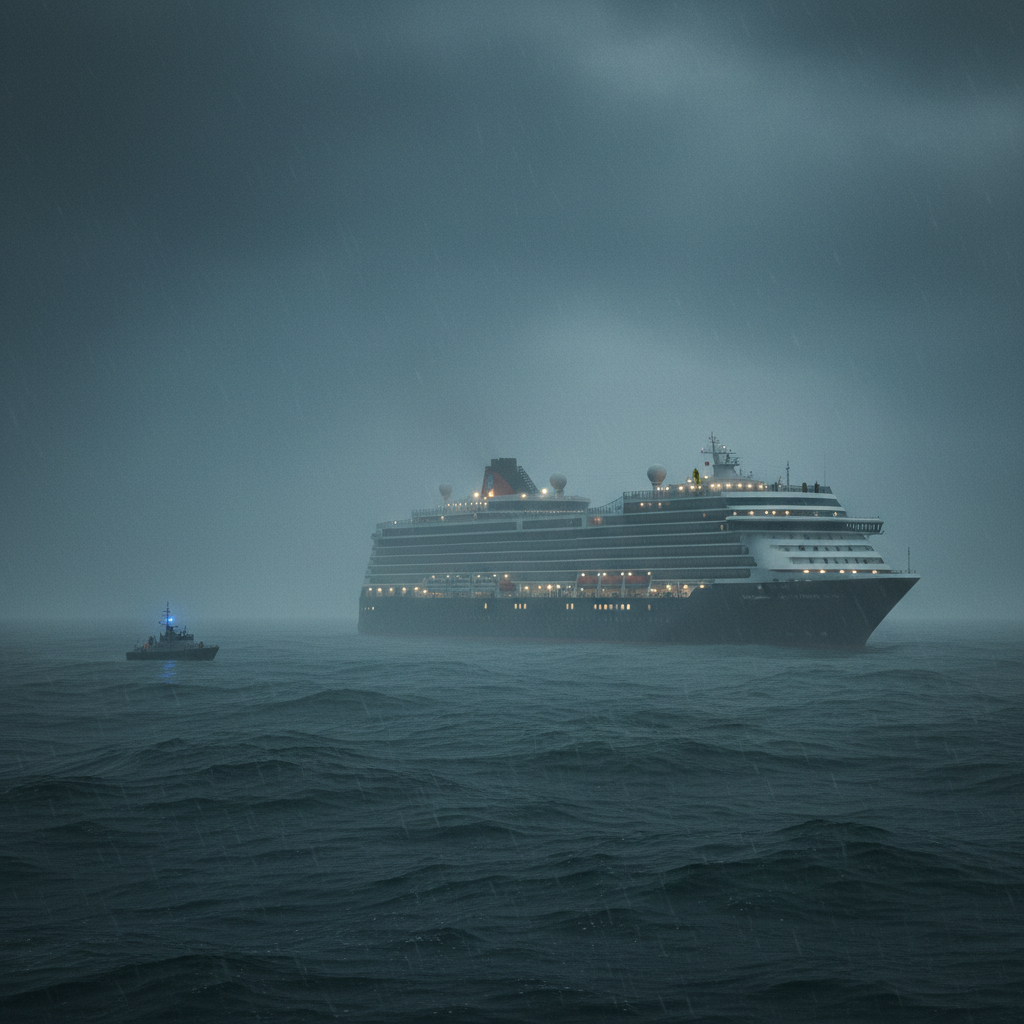
Praia, Cape Verde – August 30, 2026 – The ongoing hantavirus outbreak aboard the MV Hondius Andes, anchored off Praia since May, is generating considerable pressure on the International Maritime Organization (IMO) to re-evaluate and strengthen global maritime health protocols. The prolonged nature of the incident, coupled with its unprecedented scale for a hantavirus event at sea, highlights potential gaps in existing regulations concerning infectious disease management on passenger vessels. Maritime industry stakeholders and public health experts are increasingly vocal on the need for a comprehensive review of the International Health Regulations (IHR) as they apply to shipping, particularly in the context of emerging zoonotic threats. While the IHR, primarily governed by the World Health Organization (WHO), provide a framework for managing public health events, their practical application and enforcement at sea are often mediated through IMO conventions and flag state responsibilities.
Flag State Obligations and Enforcement Challenges
The MV Hondius Andes operates under a specific flag state, which bears primary responsibility for ensuring the vessel’s compliance with international conventions, including those related to health and safety. This involves oversight of shipboard medical facilities, crew training in infectious disease prevention, and the implementation of quarantine procedures. The current situation, with the vessel remaining offshore for an extended period, raises questions on the robustness of pre-departure health checks and ongoing surveillance mechanisms required by flag states. Critics point to the varying capacities and enforcement priorities among different flag states. While some jurisdictions maintain rigorous oversight, others may have more permissive regulatory environments. This disparity can create vulnerabilities in global health security, as infectious agents can quickly spread across international borders via maritime transport. The Hondius Andes incident may prompt calls for greater harmonization of flag state health regulations and more stringent auditing mechanisms to ensure compliance.
Port State Control: A Critical Junction
Port State Control (PSC) inspections are a vital layer of defense, allowing coastal states to verify that foreign-flagged vessels calling at their ports comply with international maritime safety, security. Environmental protection standards. Health regulations, including those concerning sanitation and pest control, often fall under the ambit of PSC. But, the detection and management of novel or unusual pathogens like hantavirus present unique challenges for port state inspectors. As of late August 2026, the Hondius Andes has not been permitted to dock in Praia, underscoring the severity of the health risk perceived by Cape Verdean authorities. This decision, in line with their sovereign right to protect national public health, exemplifies the critical role of port states in preventing the spread of infectious diseases from vessels to shore. The incident is likely to lead to discussions within PSC regimes, such as the Paris MoU and Tokyo MoU, about enhancing training for inspectors on recognizing and responding to infectious disease outbreaks, particularly zoonoses with atypical transmission routes at sea.
Quarantine Protocols at Sea: Efficacy Under Scrutiny
The implementation of quarantine measures on board the MV Hondius Andes has been a central aspect of the response. These measures, designed to isolate individuals and prevent further transmission, include cabin confinement, enhanced sanitation, and restricted movement of crew and passengers. But, the prolonged duration of the outbreak on the vessel suggests that such protocols, while necessary, may face inherent limitations in a confined maritime environment. Lessons from previous cruise ship outbreaks during other public health emergencies have informed current guidelines. Yet, the unique characteristics of hantavirus, which is not typically human-to-human transmissible but spread through contact with rodent excreta, introduce additional complexities. Effective shipboard quarantine in this context would necessitate rigorous pest control measures alongside human isolation protocols. The Hondius Andes case may lead to updated guidance from the WHO and IMO on specific measures for zoonotic disease outbreaks on passenger ships, including more detailed protocols for pest eradication and environmental decontamination while at sea.
The Path Forward: Collaboration and Adaptation
The incident with the MV Hondius Andes serves as a stark reminder of the interconnectedness of global health and maritime operations. Moving forward, closer collaboration between the IMO, WHO, national public health agencies, and the shipping industry will be essential.This includes developing more strong international guidelines, investing in early detection and rapid response capabilities on vessels. Ensuring consistent enforcement of health standards across all flag and port states. Experts anticipate that future IMO Assembly sessions and Maritime Safety Committee meetings will prioritize discussions on strengthening the legal and operational frameworks for managing public health emergencies at sea.The goal will be to create a more resilient global maritime transport system capable of mitigating the risks posed by emerging infectious diseases. Minimizing disruptions to trade and travel.



