International Agencies Coordinate Response to MV Hondius Andes Hantavirus Outbreak
Global public health bodies, including WHO, ECDC, Africa CDC, and US CDC, have intensified collaborative efforts to manage the hantavirus situation aboard the MV Hondius Andes, addressing disease surveillance, containment, and international health regulations.

Coordinated Global Health Effort Targets MV Hondius Andes Outbreak
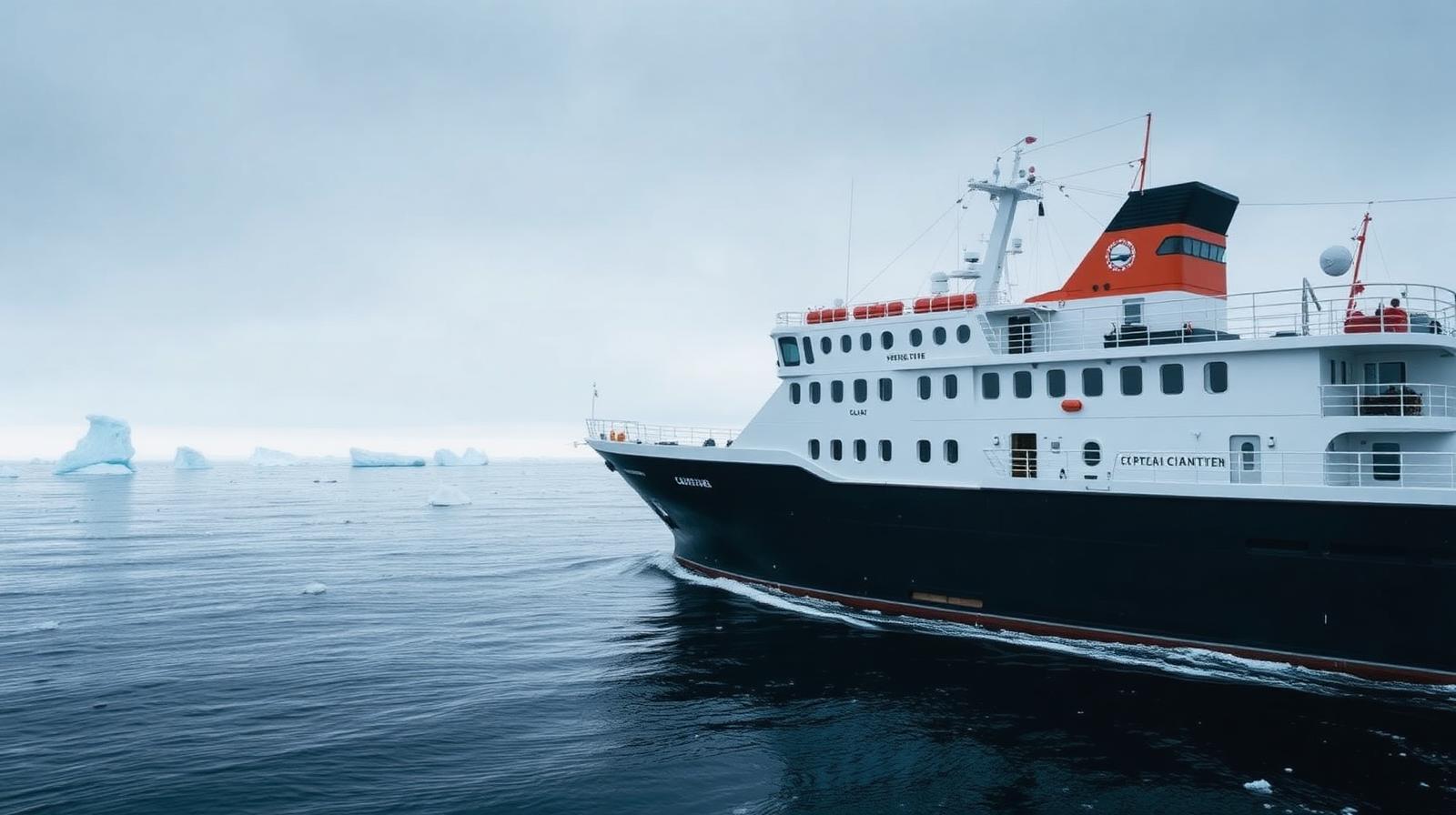
Praia, Cape Verde – A multinational public health response is underway, spearheaded by the World Health Organization (WHO), the European Centre for Disease Prevention and Control (ECDC), Africa Centres for Disease Control and Prevention (Africa CDC). The U.S. Centers for Disease Control and Prevention (US CDC), addressing the ongoing hantavirus outbreak on the MV Hondius Andes, currently anchored off Praia. The coordinated effort aims to contain the spread, provide medical support, and prevent further international transmission as the incident approaches its fifth month.
Joint Strategic Planning and Technical Support
Since the initial reports in May 2026, these key public health agencies have engaged in joint strategic planning, pooling resources and expertise.WHO, in its capacity as the lead global health authority, has helpd daily briefings and technical working groups, ensuring harmonized protocols for case identification, isolation. Contact tracing. The organization has also provided guidance on risk communication to member states, emphasizing adherence to the International Health Regulations (IHR 2005). ECDC has focused on protecting European citizens onboard and preventing potential importations into Europe. Their teams have been instrumental in developing rigorous screening protocols for passengers and crew who may eventually disembark in European territories. This includes guidance on laboratory diagnostics and epidemiological investigation, drawing on European expertise in zoonotic disease management. ECDC has as well shared insights on environmental decontamination strategies applicable to maritime settings, given the persistent nature of hantaviruses in specific environments. Africa CDC has played a critical role in safeguarding the African continent, particularly Cape Verde, the host nation. They have deployed rapid response teams to support local health authorities in Praia, offering technical assistance in port health surveillance, sample collection, and laboratory confirmation. Africa CDC’s efforts also extend to assessing the potential for regional spread and strengthening preparedness capacities in neighboring West African nations, particularly regarding vector control and public awareness campaigns on zoonotic risks. Meanwhile, the US CDC has dispatched specialists in infectious disease epidemiology, virology, and infection control to support the onboard medical teams and local health authorities.Their contributions include establishing enhanced surveillance systems, providing advanced diagnostic capabilities. Advising on patient management protocols for Hantavirus Pulmonary Syndrome (HPS) and Hemorrhagic Fever with Renal Syndrome (HFRS), the clinical manifestations associated with hantavirus infections. The US CDC has as well been collaborating on genetic sequencing of the detected hantavirus strain to better understand its origins and potential virulence.
Challenges and Adaptations
The unique challenges of a maritime outbreak have necessitated adaptive strategies. The confined environment of the MV Hondius Andes, coupled with the zoonotic nature of hantavirus (typically transmitted through rodent excretions), has required specialized approaches to sanitation and pest control. All agencies have stressed the importance of comprehensive environmental cleaning and ongoing deratization efforts onboard, in addition to strict adherence to personal protective equipment (PPE) protocols for all personnel interacting with the vessel. Coordination extends beyond direct medical intervention to include logistical support for repatriations, once deemed safe. These agencies are working with national governments and the International Maritime Organization (IMO) to ensure that any future disembarkation or repatriation processes comply with stringent health checks and quarantine measures to prevent further dissemination of the virus. Discussions are ongoing on the long-term monitoring of individuals exposed to the virus, given the incubation period for hantavirus can range from a few days to several weeks.
Ongoing Vigilance and Future Outlook
As of September 2026, the international public health community remains vigilant. Regular updates are being issued to global health networks, and research into the specific hantavirus strain involved continues. The collaborative framework established during this incident is seen as a vital model for managing complex transnational health crises, highlighting the interconnectedness of global health security. Officials from WHO, ECDC, Africa CDC, and US CDC continue to emphasize that transparency and rapid information sharing are paramount to containing the outbreak and mitigating its broader impacts. The situation onboard the MV Hondius Andes remains under active monitoring, with no definitive timeline for the ship's full resolution of the health crisis publicly released.