International Agencies Coordinate Response to MV Hondius Andes Hantavirus Outbreak
Global public health bodies, including WHO, ECDC, Africa CDC, and US CDC, have activated a multi-agency response, issuing advisories and coordinating efforts to contain the hantavirus outbreak aboard the MV Hondius Andes, anchored off Praia, Cape Verde.
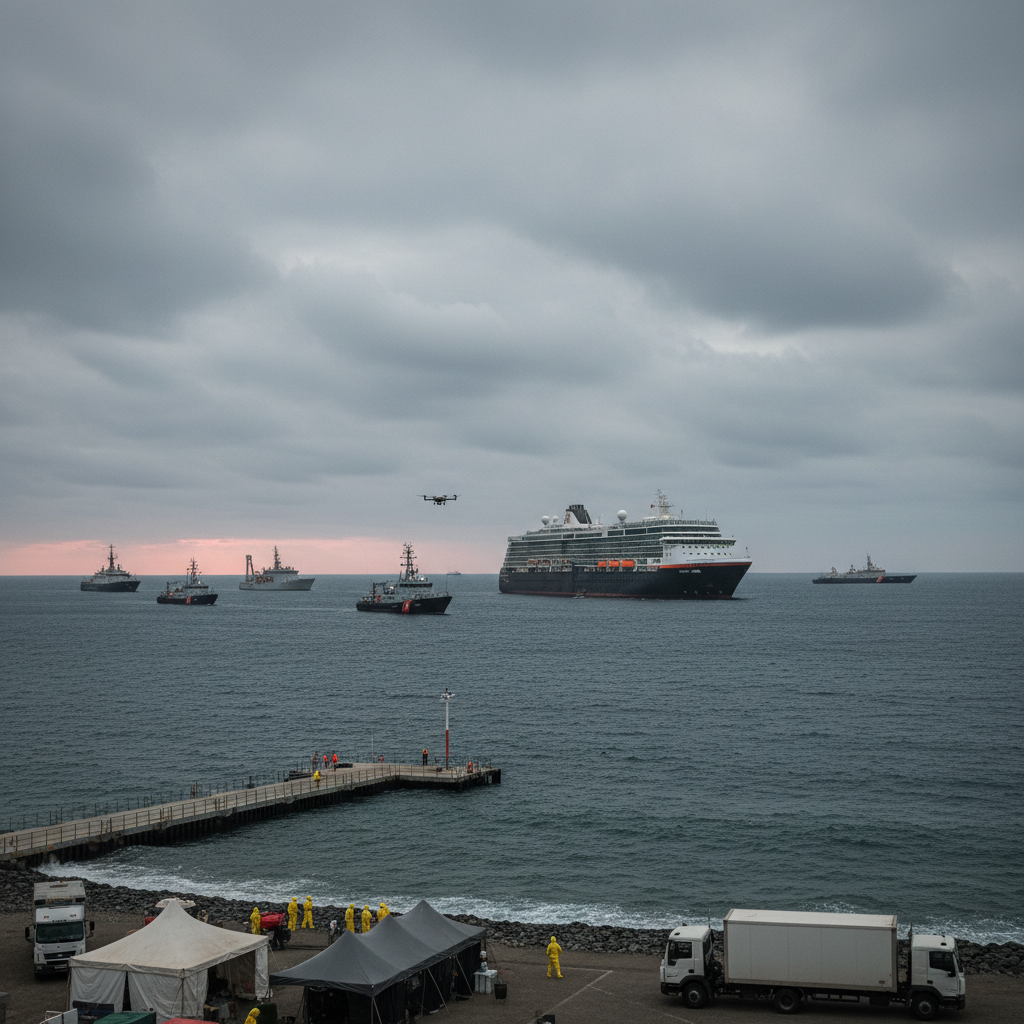
Coordinated Global Health Effort Targets Hondius Andes Outbreak
PRAIA, Cape Verde – International public health agencies are in a state of heightened alert and active coordination following the hantavirus outbreak identified aboard the MV Hondius Andes cruise ship. The World Health Organization (WHO), European Centre for Disease Prevention and Control (ECDC), Africa Centres for Disease Control and Prevention (Africa CDC), and the U.S. Centers for Disease Control and Prevention (US CDC) have established a joint operational framework to address the complex public health challenge presented by the vessel, currently anchored off the coast of Praia, Cape Verde, as of September 27, 2026. From the outset of the May 2026 incident, these organizations have provided critical guidance to local authorities in Cape Verde and other potentially affected nations. Initial response efforts focused on epidemiological investigations to understand the scope and transmission dynamics of the outbreak. This included deployment of rapid response teams and technical experts to assist with on-site assessments and sample collection, as confirmed by statements from respective agencies.
WHO and Africa CDC Lead On-the-Ground Support
The WHO, in close collaboration with Africa CDC, has been instrumental in supporting Cape Verde's national health authorities. This support encompasses strengthening surveillance capabilities, providing laboratory diagnostics assistance, and offering clinical management guidelines for hantavirus infections. Africa CDC has emphasized the importance of regional collaboration, facilitating information sharing among African Union member states and issuing specific preparedness advisories for ports that may have had contact with the vessel or its crew and passengers. Joint WHO-Africa CDC missions have reportedly assessed health facilities in Praia and provided training to local healthcare workers on infection prevention and control (IPC) measures specific to hantavirus.
ECDC and US CDC Issue International Advisories
Both ECDC and US CDC have played pivotal roles in disseminating international advisories and guidance. The ECDC has specifically focused on informing European Union/European Economic Area (EU/EEA) member states, given the international nature of cruise travel and potential return of European nationals. Their communications have included epidemiological updates, risk assessments for travelers, and recommendations for health authorities regarding contact tracing and follow-up surveillance for returning passengers and crew. The ECDC has also highlighted the need for vigilance concerning potential secondary cases among those who disembarked before the full extent of the outbreak becoming clear. The US CDC has issued similar comprehensive advisories targeting American travelers and healthcare providers. These advisories detail symptoms of hantavirus, recommended precautions for those who may have been exposed, and clinical guidance for diagnosis and treatment. The US CDC has as well activated its Emergency Operations Center (EOC) to coordinate its domestic and international response components, including liaising with other federal agencies and international partners to ensure a unified approach to managing the health implications of the outbreak. Information on environmental sampling and rodent control measures, crucial for hantavirus prevention, has too been shared broadly by the US CDC.
Joint Coordination and Information Sharing
A central aspect of the ongoing response has been the commitment to joint coordination and transparent information sharing among these agencies. Regular teleconferences and data exchanges ensure that all partners are working from the most current epidemiological picture. This collaborative model aims to prevent fragmentation of efforts and ensure that public health interventions are evidence-based and globally consistent. The International Health Regulations (IHR) framework, overseen by the WHO, has provided the legal and operational basis for much of this international cooperation. Challenges remain, particularly on the long incubation period of hantavirus, which necessitates extended surveillance and follow-up for potentially exposed individuals. The multi-national passenger and crew manifest of the MV Hondius Andes further complicates contact tracing and public health monitoring across diverse jurisdictions. Yet, officials from all four agencies have publicly affirmed their commitment to a sustained, collaborative effort until the outbreak is fully contained and all health risks are mitigated. Further updates are expected as surveillance data are consolidated and analyzed. As the various agencies continue their coordinated actions in response to this unprecedented maritime hantavirus event.



