International Health Agencies Bolster Hantavirus Response as MV Hondius Andes Remains Anchored
WHO, ECDC, Africa CDC, and US CDC intensify cross-agency coordination, issuing joint advisories and deploying expert teams to support Cape Verdean authorities amidst the ongoing MV Hondius Andes hantavirus outbreak off Praia.
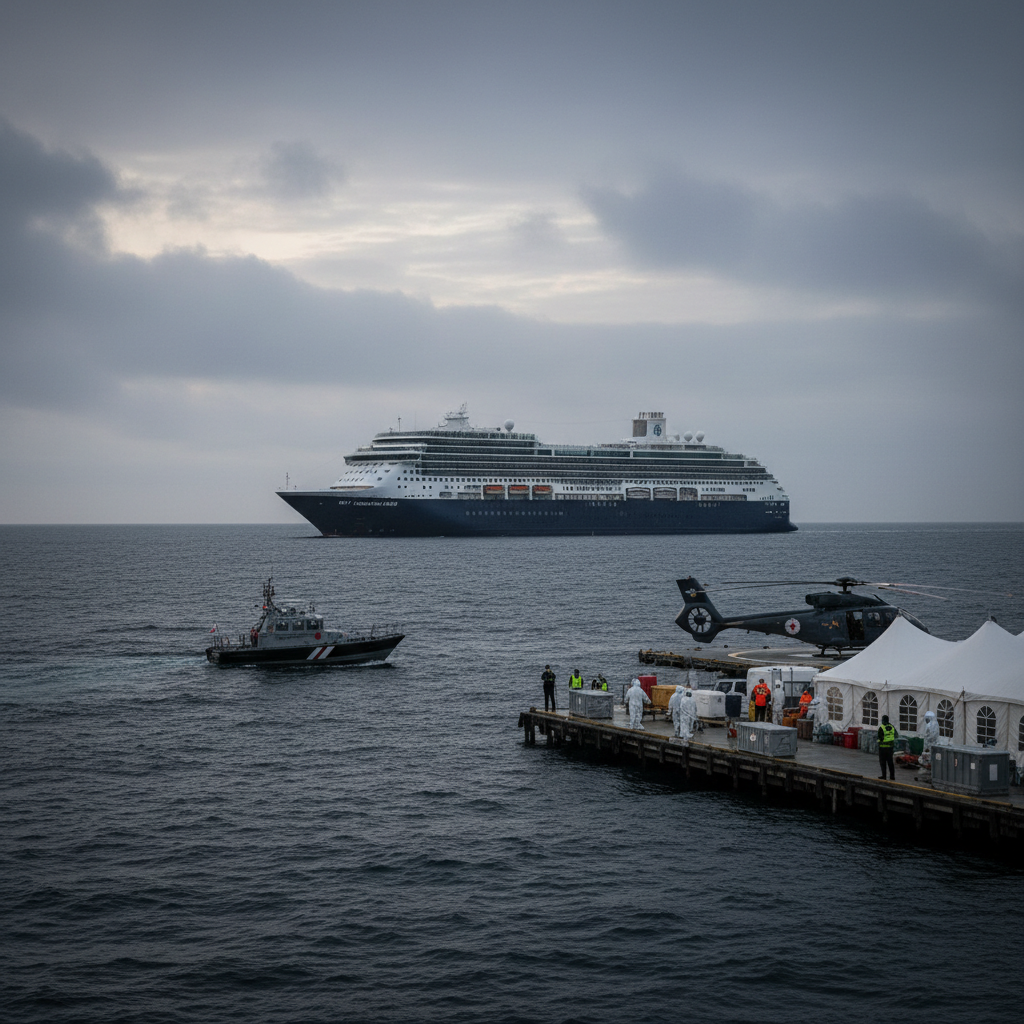
Coordinated Global Health Response Underway
PRAIA, CAPE VERDE – Major international public health organizations are bigly escalating their coordinated efforts to contain and manage the hantavirus outbreak originating from the MV Hondius Andes, which has remained anchored off the coast of Praia since May 2026. The World Health Organization (WHO), the European Centre for Disease Prevention and Control (ECDC), Africa Centres for Disease Control and Prevention (Africa CDC), and the U.S. Centers for Disease Control and Prevention (US CDC) are working in concert with Cape Verdean national health authorities and other stakeholders to address the complex public health challenge.
Joint Advisory Initiatives
In a display of unified action, these agencies have collaboratively issued a series of advisories aimed at global health practitioners, maritime operators, and national public health bodies.These advisories, updated as of October 2026, focus on enhanced surveillance protocols for Hantavirus Pulmonary Syndrome (HPS), infection prevention and control (IPC) measures in maritime settings. Recommendations for managing potential exposure. Officials from the WHO indicated that these joint communiques are crucial for ensuring consistent messaging and standardized response mechanisms across different regions, particularly concerning disembarkation procedures and post-travel monitoring for individuals who have been aboard the vessel. The ECDC has specifically emphasized the need for European Union member states to remain vigilant for imported cases, especially considering the international nature of cruise ship travel. Their guidance highlights diagnostic criteria for hantavirus infections and provides algorithms for case management in healthcare settings, complementing broader WHO guidelines. Similarly, the US CDC has disseminated detailed clinical guidance for healthcare providers on recognizing and treating hantavirus infections, drawing on extensive experience with rodent-borne diseases in various contexts.
Deployments and Technical Support
Beyond advisories, expert teams from the WHO, Africa CDC, and US CDC have been on the ground or providing remote technical assistance to the Cape Verdean Ministry of Health. These teams comprise epidemiologists, laboratory specialists, infectious disease clinicians, and public health emergency response coordinators. Their primary mission involves assisting with outbreak investigation, strengthening local laboratory diagnostic capabilities, and providing training on biosafety protocols for managing samples and patient care. Africa CDC, using its regional mandate, has played a critical role in supporting Cape Verde – a member state – with logistical coordination and resource mobilization. This includes facilitating the transport of specialized medical equipment and reagents necessary for hantavirus testing. An Africa CDC spokesperson noted the importance of regional solidarity and shared expertise in tackling outbreaks that transcend national borders, especially given the potential for wider transmission across the continent through travel and trade networks.
Challenges and Ongoing Coordination
The prolonged nature of the MV Hondius Andes situation presents unique challenges, including the mental health impact on those remaining aboard the vessel and the logistical complexities of sustained humanitarian and medical support. International agencies are also working with the International Maritime Organization (IMO) to ensure that maritime health regulations and crew welfare standards are upheld during this extended period of quarantine. The coordination efforts extend to data sharing and risk assessment. Regular meetings and secure information-sharing platforms have been established to allow for real-time updates on epidemiological trends, challenges encountered, and best practices. This collaborative framework aims to ensure that response strategies are adaptive and evidence-based, informed by the latest scientific understanding of hantavirus transmission and disease progression. Looking forward, the agencies plan to conduct a comprehensive after-action review of the MV Hondius Andes response. This will identify lessons learned and strengthen future preparedness for similar complex maritime public health emergencies, ensuring that international health regulations are robustly applied and continually improved.



