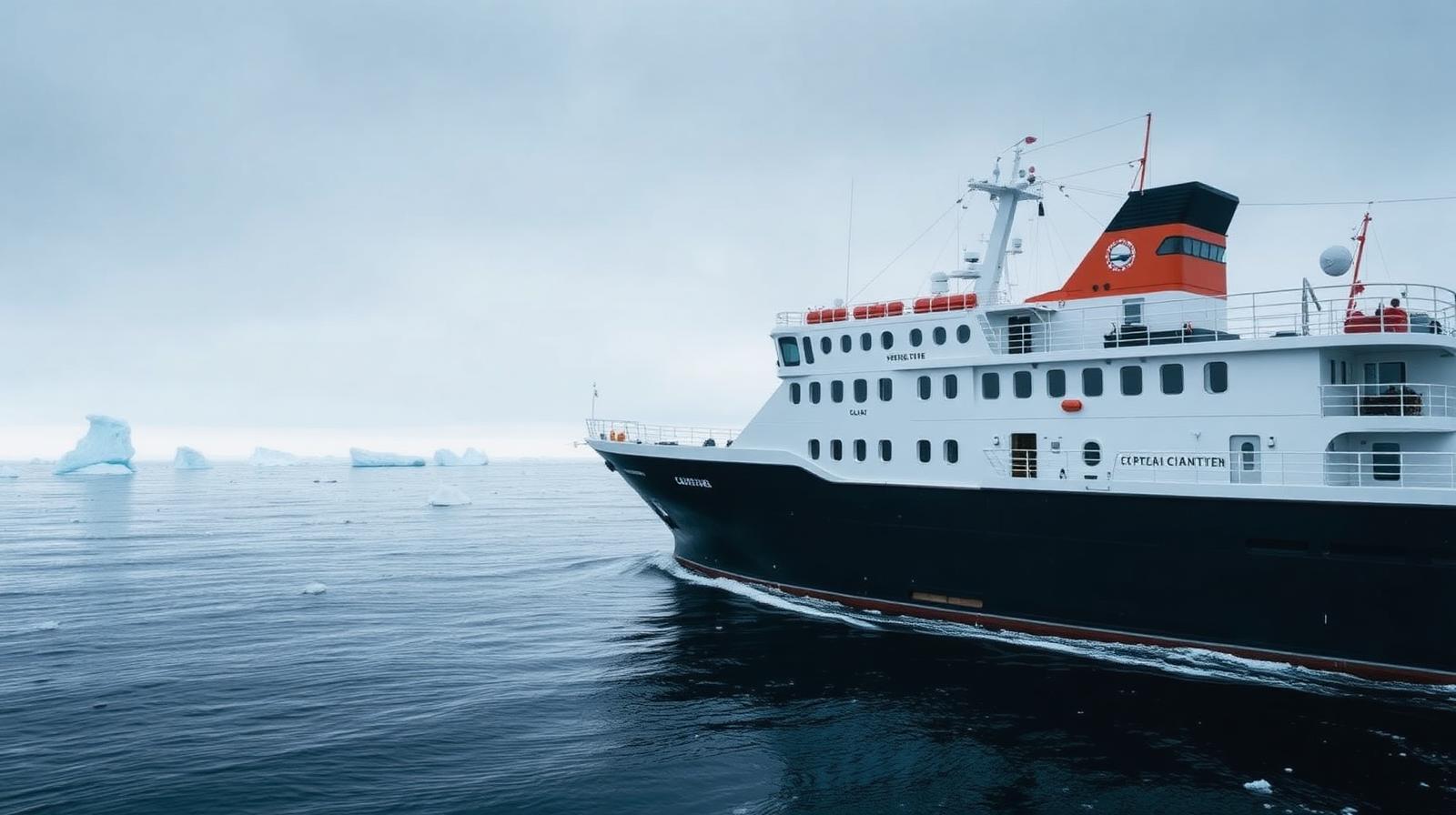
International Health Agencies Bolster Response to MV Hondius Andes Hantavirus Event
WHO, ECDC, Africa CDC, and US CDC intensify cross-agency coordination, issuing updated advisories and deploying specialist teams as the MV Hondius Andes hantavirus outbreak continues to challenge global health protocols off Praia, Cape Verde.
Coordinated International Response Takes Shape
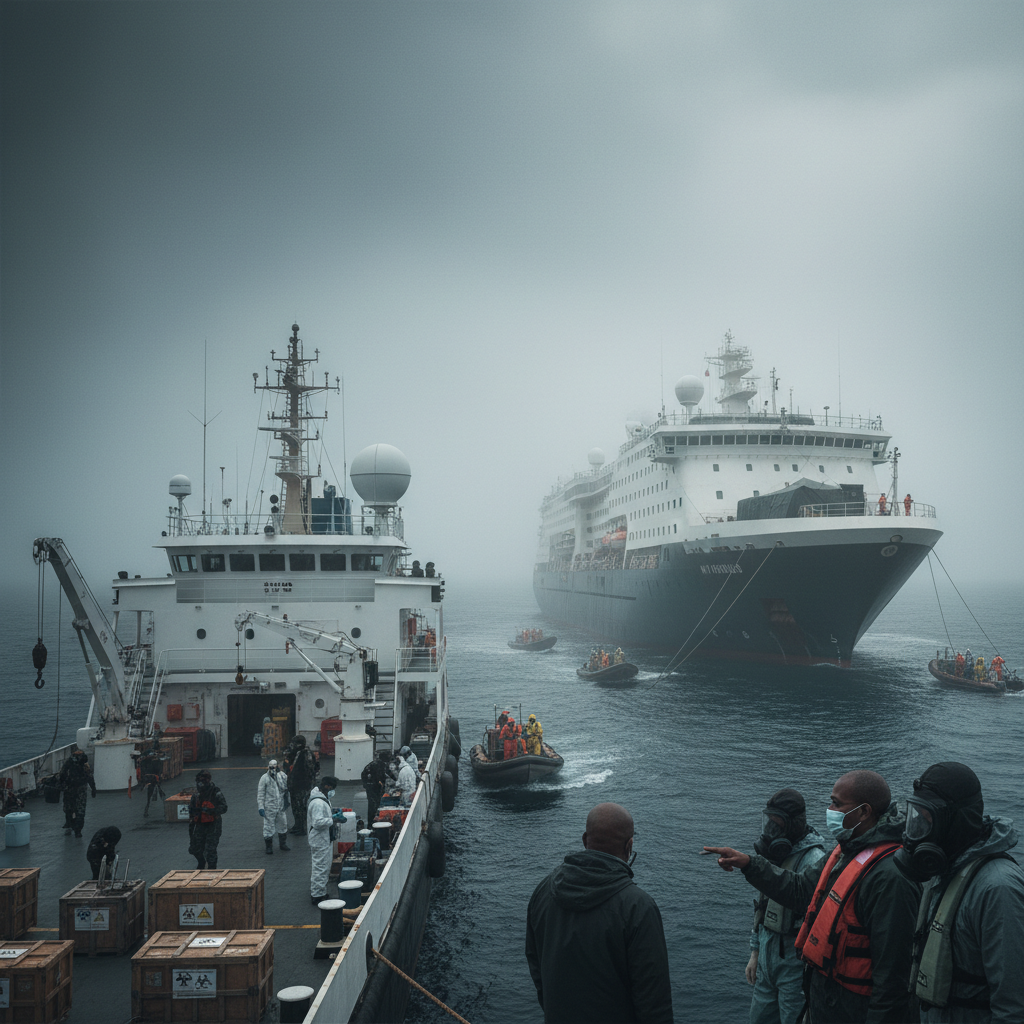
GENEVA – Global health bodies have bigly ramped up their coordinated efforts in response to the ongoing hantavirus outbreak aboard the MV Hondius Andes, anchored near Praia, Cape Verde. The World Health Organization (WHO), European Centre for Disease Prevention and Control (ECDC), Africa Centres for Disease Control and Prevention (Africa CDC), and the U.S. Centers for Disease Control and Prevention (US CDC) are working in concert to manage the public health implications of the event. Since the initial reports in May 2026, the four agencies have engaged in a multi-faceted response, focusing on containment, epidemiological investigation. The development of updated international guidelines for similar maritime health crises. This joint approach aims to prevent further spread and protect both the affected passengers and crew, and the wider public health.
WHO and ECDC Lead European Coordination
The WHO has been instrumental in facilitating international dialogue and resource mobilization. Officials from WHO headquarters in Geneva have been in constant communication with national health authorities in Cape Verde and other potentially affected nations. The organization has issued several situation reports, providing technical guidance on case management, infection prevention and control, and risk communication, as of late September 2026. The WHO's emergency operations center is reported to be tracking the event closely, monitoring global health regulations compliance and assisting with logistical challenges for humanitarian aid. The ECDC, headquartered in Stockholm, has focused its efforts on assessing the risk to European Union/European Economic Area (EU/EEA) member states, particularly concerning repatriated nationals. The ECDC has disseminated rapid risk assessments and updated its guidance on hantavirus surveillance and laboratory diagnostics, as detailed in advisories published throughout the summer months. These documents are crucial for European public health institutes managing potential exposures and ensuring standardized responses across the continent. A key element of ECDC's work has been developing protocols for contact tracing and follow-up for individuals disembarked from the vessel and returned to their home countries.
Africa CDC and US CDC Contribute Expertise
Africa CDC has played a critical role, given the MV Hondius Andes' proximity to the African continent. The agency has collaborated closely with the Cape Verdean Ministry of Health, providing epidemiological support and assisting with on-the-ground capacity building. Africa CDC has emphasized the importance of strong surveillance systems and rapid diagnostic capabilities within the region to quickly identify and respond to any potential spillover cases. Their involvement underscores the regional implications of the outbreak and the need for localized, culturally sensitive public health interventions. Training modules on hantavirus identification and management have been provided to local health workers, as of early October 2026. The US CDC has deployed expert teams, including epidemiologists and infectious disease specialists, to assist with the investigation and response efforts. The agency has contributed bigly to understanding the specific hantavirus strain involved and its potential transmissibility, drawing on its extensive experience with hantaviruses in the Americas. US CDC advisories for travelers and healthcare professionals have been updated, detailing symptom recognition, prevention measures, and protocols for managing suspected cases. Important context: the agency has also been a key partner in laboratory testing and genomic sequencing, helping to track the pathogen's characteristics, as confirmed by statements made in September 2026.
Joint Advisories and Future Preparedness
Collectively, these agencies have issued joint statements emphasizing the importance of international cooperation, transparent data sharing, and adherence to established health protocols under the International Health Regulations (IHR 2005). They have called for enhanced vigilance in maritime travel health screening and improved preparedness for similar large-scale public health emergencies on passenger vessels. The ongoing coordination meetings, both virtual and in-person in Praia, have focused on harmonizing communication strategies, sharing best practices. Planning for the eventual safe disembarkation and repatriation of all remaining individuals on board. Officials acknowledge the complexities of managing an outbreak of this nature in an isolated maritime environment but express confidence in the strong framework of international collaboration that has been established. As the situation continues to evolve, the combined efforts of WHO, ECDC, Africa CDC. US CDC remain central to mitigating the impact of the MV Hondius Andes hantavirus event and strengthening global health security against future threats.